
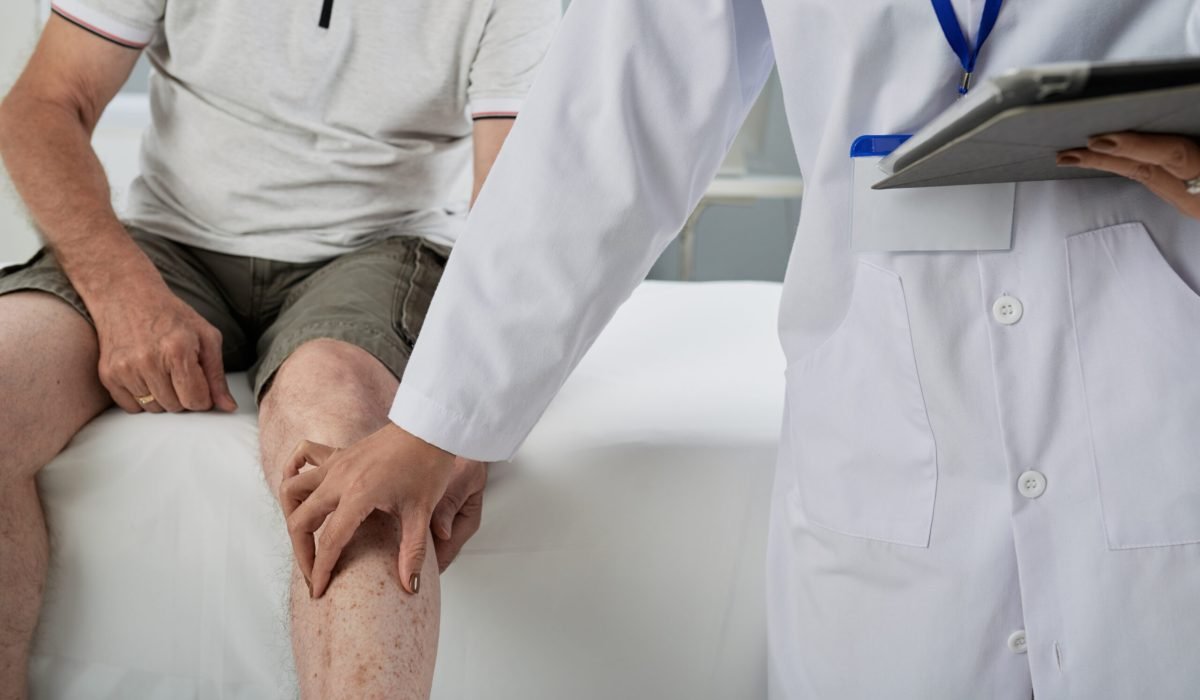
Pain after a knee replacement (TKR) is most intense in the first 3 days, when it is controlled with medication and sometimes a nerve block. It then eases steadily over 2 to 6 weeks, and by around 3 months most people have only mild soreness after activity. That pattern makes sense once you know what the operation involves: the surgeon cuts through skin, muscle, and bone to remove a damaged joint surface and fit a new one, and that level of surgical trauma triggers inflammation, nerve sensitivity, and a lengthy tissue-healing process. For anyone weighing up knee replacement surgery in Thailand or at a hospital closer to home, understanding this pain curve in advance makes the recovery period far less frightening. The surgeon cuts through skin, muscle, and bone to remove a damaged joint surface and fit a new one, and that level of surgical trauma triggers inflammation, nerve sensitivity, and a lengthy tissue-healing process. All of that adds up to pain in the weeks and months that follow. For anyone weighing up knee replacement surgery in Thailand or at a hospital closer to home, understanding this pain curve in advance makes the recovery period far less frightening.
Many of the patients we support at Medidash Global have already spent months managing a knee that has limited their walking, sleep, and work, often while sitting on a public waiting list. Knowing what to expect after surgery helps set realistic expectations for the weeks ahead, rather than being caught off guard by discomfort that is a normal part of healing.
How Painful Is a Knee Replacement?
For most people, a knee replacement is painful in the first few days. A review of pain management after total knee replacement reports that more than 60% of patients have moderate to severe pain after surgery. Hospitals can use a nerve block, regular painkillers by mouth and some stronger pain relief together. The pain then eases in stages, and the timeline below shows what to expect from day 1 to month 12.
Why Is There So Much Pain After Knee Replacement?
Several things happen at once after a total knee replacement, and together they explain why pain feels more intense than many patients expect going in.
- Surgical trauma is the biggest factor. The surgeon cuts through skin, fat, muscle, and bone, then removes the damaged joint surface and fits the prosthetic component. This is a genuinely invasive procedure, and the body reacts accordingly, especially in the first few days.
- Inflammation follows almost immediately. Blood flow increases to the surgical site to begin the repair process, and that extra fluid causes swelling, pressure, and pain around the new joint. This is a normal healing response, not a sign that something has gone wrong.
- Nerve sensitivity also plays a role. Small nerves around the knee are cut or stretched during surgery, and as they heal they can become temporarily hypersensitive, producing sharp or burning sensations that can feel worse than the underlying tissue damage would suggest.
- Muscle deconditioning around the joint, especially in the quadriceps, means the knee has less natural support in the first weeks. Ordinary movements like standing up or climbing a step demand more from healing tissue than they will later in recovery.
The Normal Pain Timeline After Knee Replacement
Most of the intense early pain eases within two to six weeks, comfortable daily function returns by around three months, and the knee continues to settle for up to a year. Pain after knee replacement does not stay at one level. It follows a fairly predictable curve, and knowing where you sit on that curve is often more reassuring than a single number on a pain scale.
| Stage | What to Expect |
|---|---|
| Days 1 to 3 | Pain is most intense; managed with prescribed medication in hospital and at home. |
| Week 1 to 2 | Pain begins to ease but is still noticeable, particularly during exercises. |
| Week 3 to 6 | Pain drops significantly for most patients; prescription medication is often no longer needed. |
| Week 7 to 12 | Only mild, residual soreness remains, mainly during or after activity. |
| 3 to 12 months | Pain should be minimal, with occasional stiffness or weather-related ache as the knee settles. |
According to Australia’s national data on public hospital elective surgery, patients can spend well over six months waiting for a knee replacement in the public system, which means many people arrive at surgery with pain that has already been present for a long time. Once surgery is done, most of that pre-existing pain resolves alongside the expected post-surgical pain, though the two can feel similar in the first weeks.
It is also worth knowing that persistent pain is not unusual. A recent update to a large systematic review on long-term pain after joint replacement found that roughly one in five patients report some degree of ongoing pain three months or more after total knee replacement, though for most people this is mild rather than severe, and it tends to improve further with time and rehabilitation.
Why Physical Therapy Can Make Pain Feel Worse Before It Gets Better
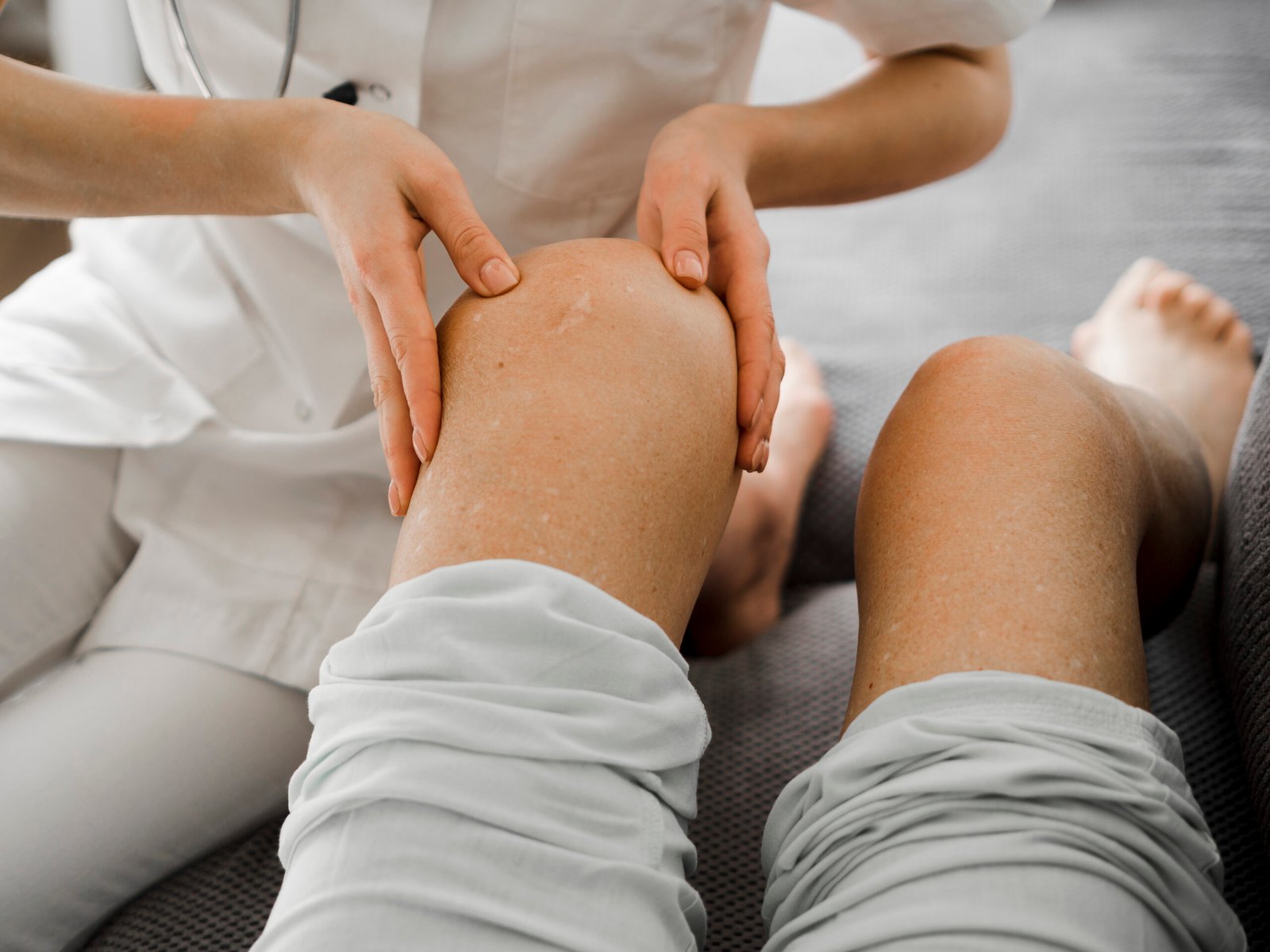
Physical therapy is one of the most important parts of recovery, but it can also be the part that temporarily increases discomfort. Bending, straightening, and bearing weight on a joint that is still healing will always create some pain, even when the exercise is done correctly.
Skipping physical therapy to avoid this short-term pain is one of the more common mistakes patients make after surgery, and it usually leads to stiffness that is harder to resolve later. A short, sharper discomfort during a supervised exercise session is a different thing from pain that lingers or worsens for hours afterward, and it is worth learning to tell the two apart with guidance from your physiotherapist.
When Pain After Knee Replacement Is Not Normal
Most pain after knee replacement is expected and manageable. Certain signs, however, point to a complication that needs prompt medical attention rather than time and rest.
Contact your surgical team promptly if you notice any of the following:
- A fever above 38.3°C, or 101°F
- Increasing redness, warmth, or drainage from the incision, rather than gradual improvement
- Sudden, severe calf pain or swelling, which can signal a blood clot
- Pain that gets worse after an initial period of improvement, rather than continuing to ease
- A sense of the knee giving way, clicking, or feeling unstable during weight-bearing
Swelling itself is a separate topic with its own normal range and warning signs, which we cover in detail in our guide to swelling after knee replacement.
Managing Pain During Recovery
There is a lot patients can do to keep pain manageable and stay on track with rehabilitation.
- Take pain medication on the schedule your care team recommends, rather than waiting until pain becomes severe, since staying ahead of pain makes therapy sessions easier.
- Use ice and elevation regularly in the early weeks to reduce swelling, which in turn reduces pain.
- Keep up with prescribed exercises even when they are uncomfortable, since consistent movement prevents the stiffness that causes more pain later.
- Avoid the common setbacks that slow recovery, many of which are avoidable with the right preparation.
- Go into surgery physically prepared, since patients who follow a structured pre-surgery checklist and exercise plan often report an easier recovery.
Pain also affects when it feels comfortable to be intimate again, which we cover in our guide to sex after knee replacement.
Does the Type of Knee Replacement Affect How Much Pain You Feel?
The surgical approach and implant technology used can influence how much pain a patient experiences, particularly in the first few weeks. Robotic-assisted knee replacement procedures, for example, are designed for more precise bone cuts and implant alignment, which some patients find translates into less soft-tissue disruption and a smoother early recovery compared with conventional techniques. Every patient’s anatomy and healing response is different, so it is worth discussing which approach fits your situation directly with your surgical team.
Pain after a knee replacement is uncomfortable, but for the vast majority of patients it follows a predictable path toward a knee that finally works the way it should. If you are still exploring your options for surgery abroad, with experienced orthopaedic teams and structured aftercare, our team can walk you through what recovery looks like and answer any questions specific to your situation.
Get in touch with Medidash Global to discuss your knee replacement journey from start to end.
Frequently Asked Questions about Pain After Knee Replacement
Is it normal to still have pain three months after knee replacement (TKR)?
Yes. By three months, most of the surgical inflammation has settled, but mild stiffness or soreness after activity is still common. Pain at this point should be steadily improving rather than getting worse.
How long does knee replacement pain last at night?
Many patients notice a deeper ache at night in the early months, particularly once the daytime distractions of activity are gone. This usually improves as inflammation continues to settle and typically resolves within the first few months. For the full recovery picture beyond pain, see our week-by-week knee replacement recovery timeline.
Does the implant itself affect how much pain I feel later on?
It can. Ongoing pain months or years after surgery is sometimes linked to implant wear or loosening rather than the original healing process. Our guide to knee replacement implant lifespan explains what affects how long a replacement joint lasts and what signs to watch for.
When should I contact my surgical team about knee replacement pain?
Reach out promptly if pain worsens instead of improving, if you develop a fever, or if you notice increasing redness, drainage, or swelling around the incision. These can be signs of infection or another complication that needs assessment.
What is the best painkiller after a knee replacement?
There is no single best painkiller, because your surgical team sets the plan for you. Most people take regular painkillers by mouth, such as paracetamol, with some stronger pain relief in the early days, and stronger painkillers can cause constipation. Take them as your team instructs, and contact them if your pain is severe or increasing.
Does a nerve block help with pain after knee replacement?
It can. In a study summarised by eOrthopod, patients who had a single-injection femoral nerve block asked for fewer painkillers and used less morphine in the first 24 hours than patients given a fake block. The block lasts about 12 to 16 hours, so you still need a pain plan once it wears off. Ask your anaesthetist whether a nerve block is offered for your surgery.