
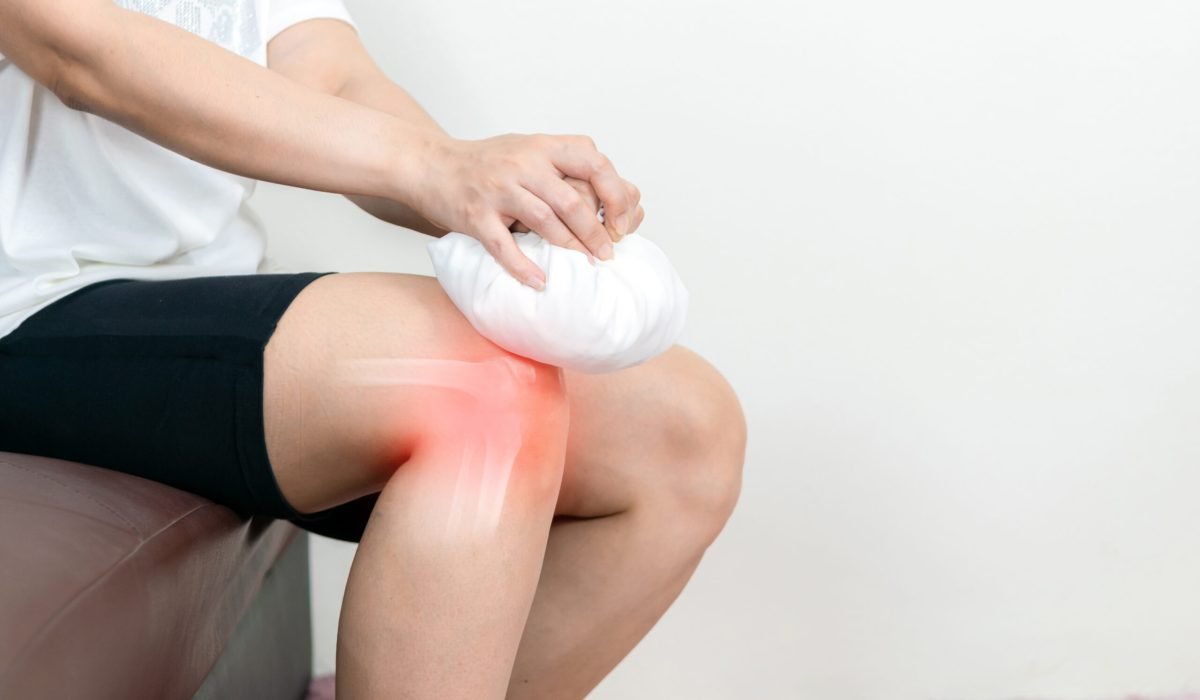
A new knee is supposed to give you back the mobility that pain took away, but the first few months of recovery are where many patients lose ground they did not have to lose. Most setbacks trace back to a handful of avoidable mistakes: picking the wrong knee replacement exercises to avoid, sitting the wrong way, being caught off guard by the hardest days, misreading which restrictions are actually permanent, and skipping the unglamorous daily reps. None of these are complicated once you know what to look for, whether you are recovering at home or after knee replacement in Thailand.
Mistake 1: Choosing the Wrong Exercises, Too Soon
Movement is essential after a knee replacement, but not every movement is equally safe in the early months. The knee replacement exercises to avoid tend to share one trait: repeated impact or sudden twisting through a joint that is still healing.
High-impact activities such as running, jogging, and jumping place repetitive stress on a new joint that has not finished settling into the bone. Contact sports, deep squats, lunges past ninety degrees, and heavily loaded leg extension machines can also push the joint into positions it is not ready for. So can activities with a real fall risk, like hiking on uneven ground or anything on ice or loose gravel, since a fall in the first few months is one of the most common causes of a serious setback.
None of this means staying still. It means choosing the right substitute, and building it up gradually with your physiotherapist.
| Activity to avoid early on | Why it’s risky | Safer alternative |
| Running or jogging | Repeated impact loads the new joint before it has fully settled | Brisk walking, building distance gradually |
| Deep squats or lunges | Forces the knee into extreme flexion under load | Shallow squats or sit-to-stand from a raised seat |
| Contact or cutting sports | High risk of twisting, falls, and direct impact | Stationary or recumbent cycling |
| Heavy leg extension machines | Concentrates load directly through the joint | Swimming or hydrotherapy once healed |
| Hiking on uneven ground | High fall risk while balance is still recovering | Elliptical trainer on a flat setting |
Whatever program you follow, the golden rule is the same: work with your physiotherapist to build range of motion and strength gradually, and never force a stretch or a bend to the point of sharp pain. Gentle discomfort during supervised exercise is normal. A sudden spike of pain is a signal to stop.
Mistake 2: Sitting and Standing the Wrong Way
Recovery is not only about the exercises you do. It is also about the hours in between, and a surprising number of setbacks come from something as ordinary as the wrong chair.
The best sitting position after knee replacement keeps the knee at or just below hip height, with both feet flat on the floor and the back supported by a firm, upright chair with armrests. Soft, low sofas and recliners that drop the hips below the knees force the joint into a deeper bend to stand back up, and that extra strain is one of the most common causes of unnecessary pain in the first few weeks. Crossing the legs is also worth avoiding, since it can twist the joint and restrict circulation at a time when blood clots are already a genuine risk.
Getting up matters just as much as sitting down. A safer sequence looks like this:
- Slide to the front edge of the chair, keeping the back straight.
- Place both hands on the armrests, not on a walking frame or nearby table.
- Push up using the arms and both legs evenly, rather than pulling with the operated leg alone.
- Pause standing for a moment before taking the first step.
Changing position every twenty to thirty minutes, rather than sitting for hours at a stretch, also helps circulation and reduces stiffness and swelling in the ankle and calf.
Mistake 3: Not Preparing for the Hardest Days
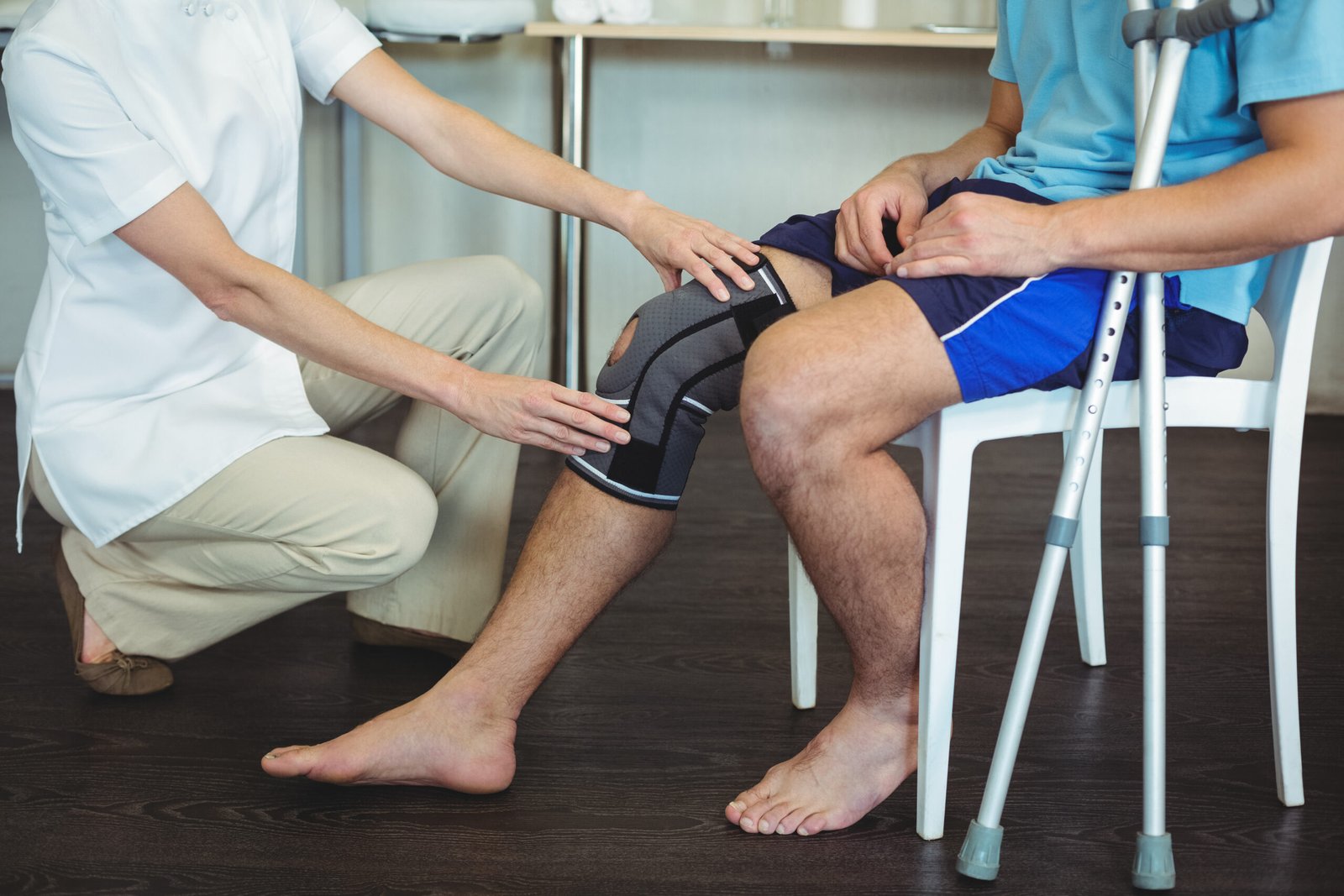
Ask patients when recovery felt worst, and very few say the day of surgery itself. Most patients name day two or three as the low point, not the surgery itself. That’s when the nerve block anaesthesia has fully cleared and the knee is at its most swollen, so pain that felt manageable on day one can spike without warning. Research tracking pain scores in the days after knee replacement shows pain is typically highest in this early window before it declines steadily over the following week.
The mistake is not experiencing that day. It is not preparing for it. Patients who expect a straight line of steady improvement are often thrown when day three feels worse than day one, and some quietly assume something has gone wrong. In most cases, nothing has. It is simply the expected pattern.
Pain and swelling after knee replacement typically peak around day two or three, not on the day of surgery, before beginning a steady decline over the following week.
Getting through it comes down to a few practical habits: take pain medication on a fixed schedule rather than waiting for pain to build, keep the leg iced and elevated whenever you are resting, and arrange help with meals and basic tasks for at least the first week. None of this is a sign of weakness. It is simply how the first stage of knee replacement recovery works.
Mistake 4: Misunderstanding Permanent Restrictions
Patients often ask about permanent restrictions after knee replacement, and the honest answer sits between two extremes. Most surgeons do not place a long list of forbidden positions or movements on a successfully recovered knee, and everyday activities like sitting, bending, kneeling on a cushion, or twisting to reach for something are not inherently dangerous once healing is complete.
Where the caution is genuine is around repeated, high-impact loading over the long term. Running, contact sports, and repetitive heavy lifting are generally discouraged for good, not because a single session will damage the implant, but because years of that kind of load can accelerate wear on parts designed to last for two decades or more. For most patients, that trade-off is an easy one: a lifetime of low-impact activity in exchange for a joint that keeps working.
What genuinely needs urgent attention is different from a lifestyle restriction. Contact your surgical team promptly if you notice any of the following:
- Sudden increase in swelling, redness, or warmth around the knee
- A fever, chills, or feeling generally unwell
- New or worsening pain in the calf, which can signal a blood clot
- Discharge, odour, or an opening wound at the incision site
- Shortness of breath or chest pain, which needs emergency care immediately
For a wider look at what the full recovery timeline involves, from the first week through to returning to normal activity, Medidash Global’s complete guide to knee and hip replacement recovery walks through each stage in more depth.
Mistake 5: Skipping the Boring Daily Reps
The exercises physiotherapists prescribe in the first two weeks, ankle pumps, quad sets, heel slides, are not glamorous, and it is tempting to treat them as optional once the acute pain eases. This is one of the costliest mistakes in early recovery. The window to regain full flexion and extension is narrowest in the first four to six weeks, and a knee that stiffens up during that period can be genuinely difficult to loosen later, regardless of whether the surgery used a standard technique or a
MAKO robotic-assisted approach, the daily rehabilitation work is what determines the long-term result.
Consistency matters more than intensity here. Short, frequent sessions several times a day, done exactly as instructed even when they feel repetitive, do more for long-term range of motion than occasional intense pushes that leave the knee swollen and sore for days afterward.
Recovering From Knee Replacement Away From Home
For patients weighing options abroad, timing matters in both directions. Many Australians consider treatment overseas because of the wait itself. According to the Australian Institute of Health and Welfare, patients on public hospital waiting lists can face a wait measured in many months for a knee replacement, which is part of why private and international options have become a common alternative. Whatever the destination, the same mistakes above still apply, and it is worth planning your knee replacement aftercare in Thailand before you travel, including how soon is it safe to fly, what physiotherapy support is arranged once you are home, and who to call if something feels wrong in an unfamiliar city.
Medidash Global’s guide on how long after knee replacement you can safely fly covers the flight-specific precautions in more detail, including how airline seating and long-haul circulation risks factor into the timeline.
If you are exploring knee replacement in Thailand and want a clear picture of what recovery actually involves before you commit, get in touch with Medidash Global and we will walk you through what to expect at every stage
Frequently Asked Questions about Knee Replacement Recovery Mistakes
What exercises should I avoid after a knee replacement?
Running, jumping, deep squats, contact sports, and heavy resistance machines that load the joint directly are best avoided in the first few months. Low-impact options like walking, stationary cycling, swimming, and the elliptical are generally safer starting points, always under your physiotherapist’s guidance.
What is the worst day after knee replacement surgery?
For most patients, days two and three are the hardest, once the surgical nerve block wears off and swelling peaks. Pain and stiffness typically ease steadily from that point onward.
What is the best sitting position after knee replacement?
A firm, upright chair with armrests, knees at or slightly below hip height, and feet flat on the floor. Soft, low sofas and crossed legs are best avoided in the early weeks of recovery.
Are there permanent restrictions after knee replacement?
Most day-to-day restrictions are temporary. The exceptions tend to be long-term, high-impact activities like running or contact sports, which are generally discouraged indefinitely to protect the lifespan of the implant.
When can I stop worrying about mistakes and just live my life?
Most patients reach a stable, confident routine by around three months, though strength and flexibility can continue improving for up to a year. Following the physiotherapy plan closely in the first six weeks is what makes that timeline realistic.