
Knee replacement recovery follows a fairly predictable path, even though everybody heals at their own pace. Knowing what to expect in the days, weeks and months after surgery turns a stressful unknown into a plan you can actually follow. This guide breaks down knee replacement recovery time week by week, from the first hours after the operation through the months it takes to feel fully back to normal. Many of the international patients we support at Medidash Global choose knee replacement in Thailand, at JCI-accredited hospitals like Bumrungrad International and Phyathai 2, for faster access to surgery and modern rehabilitation facilities, then return home once their surgeon confirms they are ready to travel. Wherever you have your procedure, the recovery stages below apply.
Quick answer
Most people walk without any aid by four to six weeks, return to most everyday activities by around three months, and reach full recovery, meaning continued gains in strength and flexibility taper off, within six to twelve months.
Total Knee Replacement Recovery: Week by Week Breakdown
Recovery unfolds in fairly distinct stages. Here is what typically happens at each one.
Days 1 to 3: Hospital and First Steps
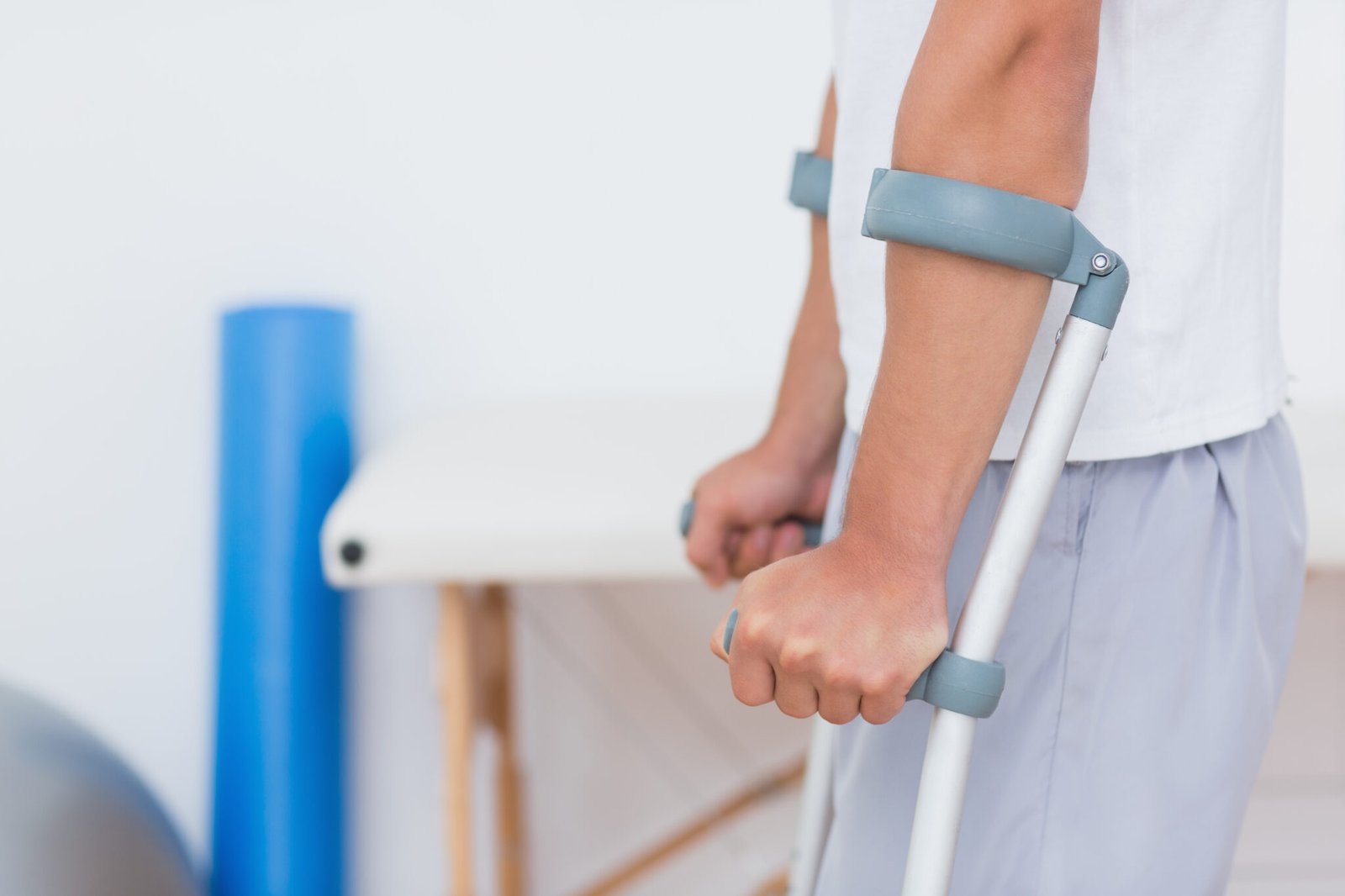
Physical therapy typically begins within 24 hours of surgery. A therapist helps you stand, take your first steps with a walker, and start simple exercises like ankle pumps and quad sets to protect circulation. According to NHS guidance on knee replacement recovery, most patients are ready to leave hospital 1 to 3 days after surgery, once they can move safely and their wound is healing as expected. Pain and swelling are usually at their most intense during this window, and that is expected rather than a warning sign.
One Week Post-Op: Pain, Swelling and Early Mobility
By one week post-op, knee replacement patients are usually home and settling into a routine of rest, ice, elevation and short walks around the house. Swelling and bruising often look worse before they improve, and many people still rely on a walker or crutches for support. Home or outpatient physical therapy sessions are typically underway by this point, focused on gently increasing how far you can bend and straighten the knee. Many patients describe this as the hardest stretch of the whole recovery, mainly because pain and fatigue are high while independence is still limited.
Weeks 2 to 3: Building Momentum
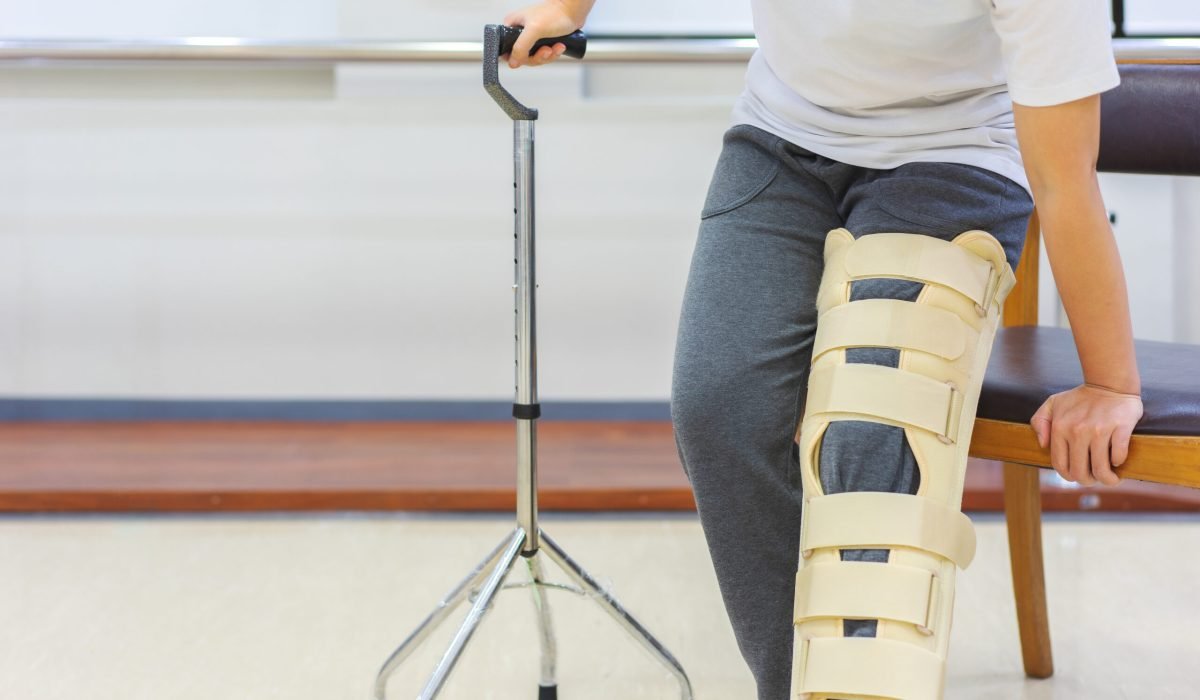
Most patients begin transitioning from a walker to a cane somewhere in this window, and some manage short distances without any support at all. Physical therapy sessions usually move from home visits to an outpatient clinic around week three. Light tasks like preparing a simple meal or taking a short walk outside become realistic goals, though fatigue can still arrive quickly.
Weeks 4 to 6: Everyday Activities Return
By four to six weeks, most people can manage stairs with a railing, return to light household chores, and resume desk-based work if their job allows it. Driving is often cleared around this stage too, once a patient is off strong prescription pain medication and has enough control and reaction time in the operated leg, though this should always be confirmed with your own surgeon rather than assumed from a general timeline.
Weeks 6 to 12: Strength, Independence and Driving
This stage is where progress really starts to show. Walking distances increase, reliance on assistive devices drops away for most patients, and physical therapy shifts toward building strength and balance rather than just restoring basic movement. Many patients return to more physical jobs somewhere in this window, though it depends heavily on how demanding the role is.
Months 3 to 6: Back to Normal Life
By three to six months, most patients are managing daily activities without significant limitation and can usually resume low-impact hobbies such as swimming, cycling, or golf, once their surgeon confirms it is safe to do so. Some soreness or stiffness, especially after activity or in cold weather, is common and not unusual at this stage.
Months 6 to 12: Full Recovery
Full recovery from a knee replacement typically takes six to twelve months, with continued gains in strength, flexibility and confidence throughout that period. Most modern knee implants are designed to last twenty years or longer, so the effort invested in these first months pays off well beyond the recovery window itself.
Knee Replacement Recovery Time at a Glance
If you would rather see the milestones side by side, here is the same timeline in table form.
| Milestone | Typical timeframe | What to expect |
|---|---|---|
| Hospital discharge | 1 to 3 days | Walking with a walker or crutches; physical therapy underway |
| Off the walker, onto a cane | 2 to 3 weeks | Short unsupported walks possible for some patients |
| Light daily activities resume | 3 to 6 weeks | Simple meals, short outings, desk work for many jobs |
| Driving, with surgeon clearance | 4 to 6 weeks | Off strong pain medication with adequate leg control |
| Stairs without a railing | 6 to 12 weeks | Improved strength, balance and confidence |
| Low-impact hobbies (golf, cycling, swimming) | 3 to 6 months | Cleared by your surgeon, activity-dependent |
| Full recovery | 6 to 12 months | Continued strength and flexibility gains |
Warning Signs During Knee Replacement Recovery
Most knee replacement recoveries proceed without any serious problems, but it helps to know the difference between normal healing and something that needs urgent attention. Two complications in particular, infection and blood clots, are worth watching for closely.
Joint replacement patients face the highest risk of a blood clot between two and ten days after surgery, with some risk continuing for around three months, according to the National Blood Clot Alliance. That is part of why early movement and prescribed blood thinners matter so much in the first weeks.
- Fever, spreading redness, warmth, or drainage at the incision site, which can point to infection
- Calf or leg swelling that does not improve with elevation, especially if it is one-sided, which can point to a blood clot
- Sudden shortness of breath or chest pain, which needs emergency care immediately since it can indicate a clot has reached the lungs
- Increasing pain that does not respond to your usual pain management routine
- A wound that reopens or will not stop bleeding
The NHS list of warning signs after knee replacement is worth reviewing before and after surgery, so you know exactly what to look out for and who to call.
What Speeds Up or Slows Down Your Recovery
The week-by-week pattern above is typical, but it is not fixed. A handful of factors reliably move people ahead of or behind that curve.
- Starting fitness and “prehab”: patients who build leg strength and practise walking aids before surgery tend to reach each milestone sooner.
- Age and general health: recovery is still very achievable at any age for a well-selected candidate, but conditions like diabetes or cardiovascular disease can extend the early stages.
- Weight and activity level: less load on the new joint generally means less swelling and a faster return to walking distance.
- Consistency with physical therapy: this is the single biggest controllable factor. Missed sessions and skipped home exercises are the most common cause of a slower-than-expected recovery.
- Surgical technique and implant positioning: precise alignment reduces uneven wear and stiffness later on. Patients recovering from MAKO robotic knee replacement often follow a similar physical therapy path to conventional surgery, though some notice less initial swelling thanks to the precision of the procedure.
- Complications: infection or a blood clot, covered above, can set a recovery back by weeks, which is exactly why catching the warning signs early matters.
Partial vs Total Knee Replacement: Does Recovery Differ?
Yes, noticeably. A partial knee replacement only resurfaces the damaged part of the joint, so it involves less soft tissue disruption and typically a shorter recovery than the total knee timeline above, often with unsupported walking possible within a few weeks rather than a few months. It is not the right option for every arthritis pattern, though. Our guide to partial knee replacement recovery covers the week-by-week difference in full, and is worth reading before your consultation if a partial replacement has been mentioned as an option for you.
Recovering From Knee Replacement Abroad: What International Patients Should Consider
Recovery timelines do not change just because you have travelled for surgery, but the logistics do. Most surgeons want to see patients for a follow-up appointment and a wound check before clearing them to fly, and long-haul flights carry their own blood clot risk on top of the surgical risk already covered above. Our guide on how long you should wait before flying after knee replacement covers this in more detail, since the right window depends on your specific procedure and flight length.
This is one of the reasons Medidash Global builds enough recovery time into every travel plan before booking flights home, and coordinates with our partner hospitals’ physiotherapy teams so patients leave Bangkok with a clear home exercise plan rather than a gap in their care. If you are weighing up a knee replacement abroad and want a realistic recovery and travel timeline for your own situation, our patient care coordinators can walk you through it.
For a broader look at how knee and hip recovery compare, our complete guide to knee and hip replacement is a good next read.
How Physical Therapy Shapes Your Recovery Timeline
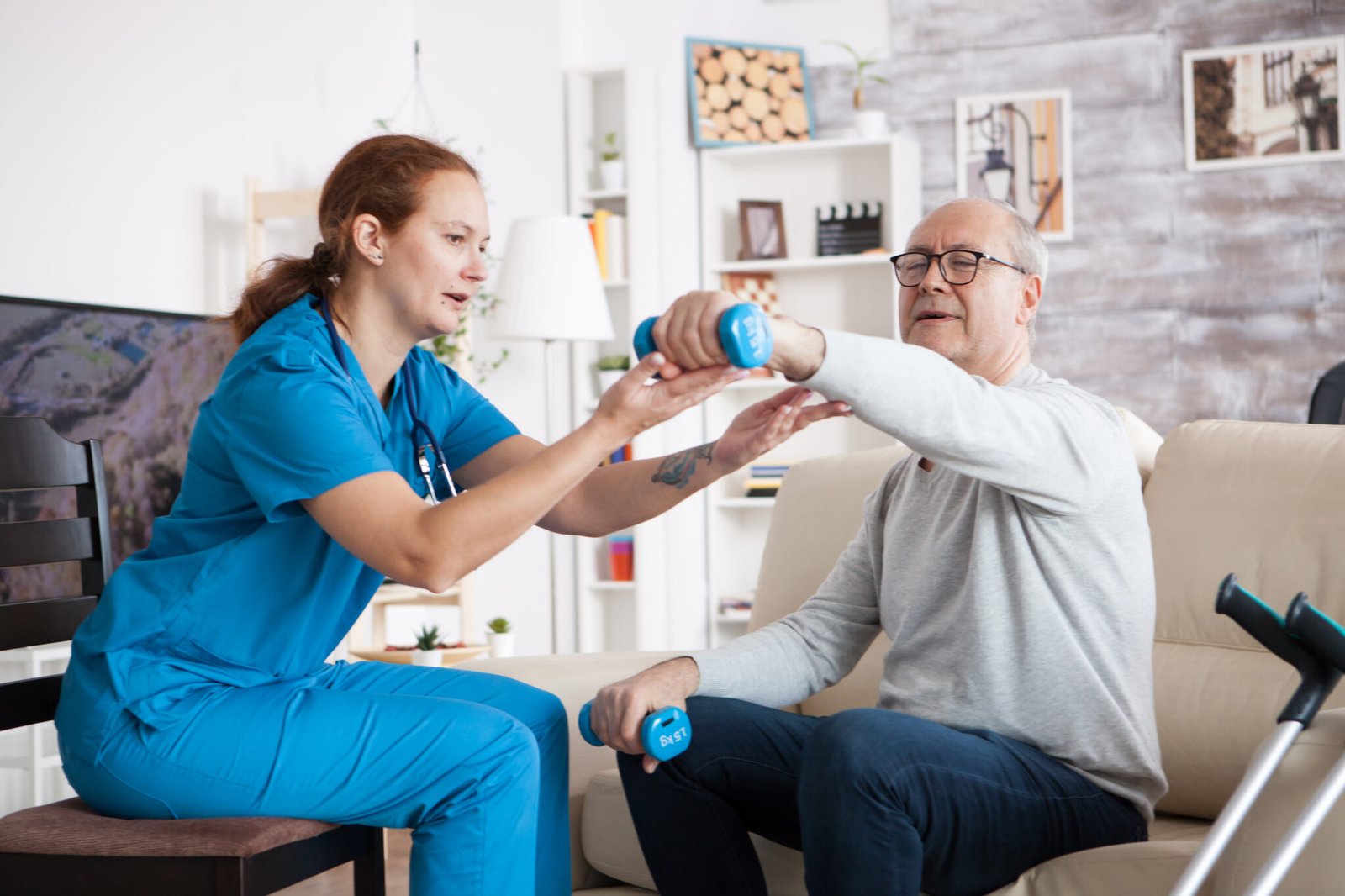
Physical therapy is one of the biggest factors separating a smooth recovery from a slow one. The AAOS knee replacement exercise guide recommends exercising for 20 to 30 minutes, two to three times a day, alongside short walks, during early recovery, building on simple movements like ankle pumps, quad sets and straight leg raises before progressing to walking and balance work.
Patients recovering from MAKO robotic knee replacement often follow a similar physical therapy path, though some notice less initial swelling thanks to the precision of the procedure. Either way, consistency with your exercises matters more than any single technology choice.
Tips for a Smoother Recovery From Knee Replacement
A few extra habits can make your recovery smoother, no matter which week you are in:
- Stick to your physical therapy schedule, even on days when motivation is low
- Ice and elevate the knee regularly in the first few weeks to help control swelling
- Eat protein-rich meals to support tissue repair, and stay well hydrated
Sleep with a pillow supporting the leg in a comfortable position, rather than forcing the knee flat or bent, and see our guide on how to sleep after a knee replacement if you are struggling to get comfortable
- Avoid high-impact activities like running or jumping long after the knee feels healed
- Keep every follow-up appointment, even once you feel back to normal
Every knee replacement recovery looks a little different, but understanding the general pattern, from those first assisted steps to a full return to the activities you have missed, makes the whole process less intimidating.
Book a Private Consultation with Medidash Global
If you are exploring knee replacement in Thailand and want a recovery and travel plan built around your own health, schedule and starting fitness rather than a generic timeline, Medidash Global’s care coordinators can map it out with you before you commit to anything.
- A remote consultation covering your expected recovery timeline and what could speed it up or slow it down
- Guidance on total vs partial and MAKO robotic options, if more than one fits your case
- A realistic travel plan, including how long to stay in Bangkok before your surgeon clears you to fly
- Coordinates with the physiotherapy teams at Bumrungrad International and Phyathai 2 so patients leave Bangkok with a clear home exercise plan, not a gap in care
Ready to plan your recovery?
Book a private, no-obligation consultation with a Medidash Global care coordinator and get a realistic knee replacement recovery and travel timeline for your own situation.
Frequently Asked Questions About Knee Replacement Recovery
What is the hardest week after a knee replacement?
Many patients say the first week at home, once the initial hospital support is gone, is the hardest part of knee replacement recovery. Pain, swelling and fatigue tend to peak during this stretch before steadily improving.
How long does it take to recover from a knee replacement?
Most people manage daily activities comfortably by three months, but full knee replacement recovery, including continued strength and flexibility gains, typically takes six to twelve months.
When can I drive after knee replacement?
Most surgeons clear patients to drive around four to six weeks after surgery, once they are off strong pain medication and have enough control in the operated leg. Always confirm this with your own surgeon rather than assuming a general timeline applies to you.
Is swelling normal one week after knee replacement?
Yes. Swelling and bruising are often at their most noticeable in the first one to two weeks and gradually improve from there. Persistent one-sided swelling that does not improve with elevation is different and should be checked by a doctor.
When can I travel or fly home after knee replacement surgery abroad?
This depends on flight length, how your recovery is progressing, and your surgeon’s clearance, so it is worth planning this into your treatment schedule from the start rather than deciding at the last minute.