
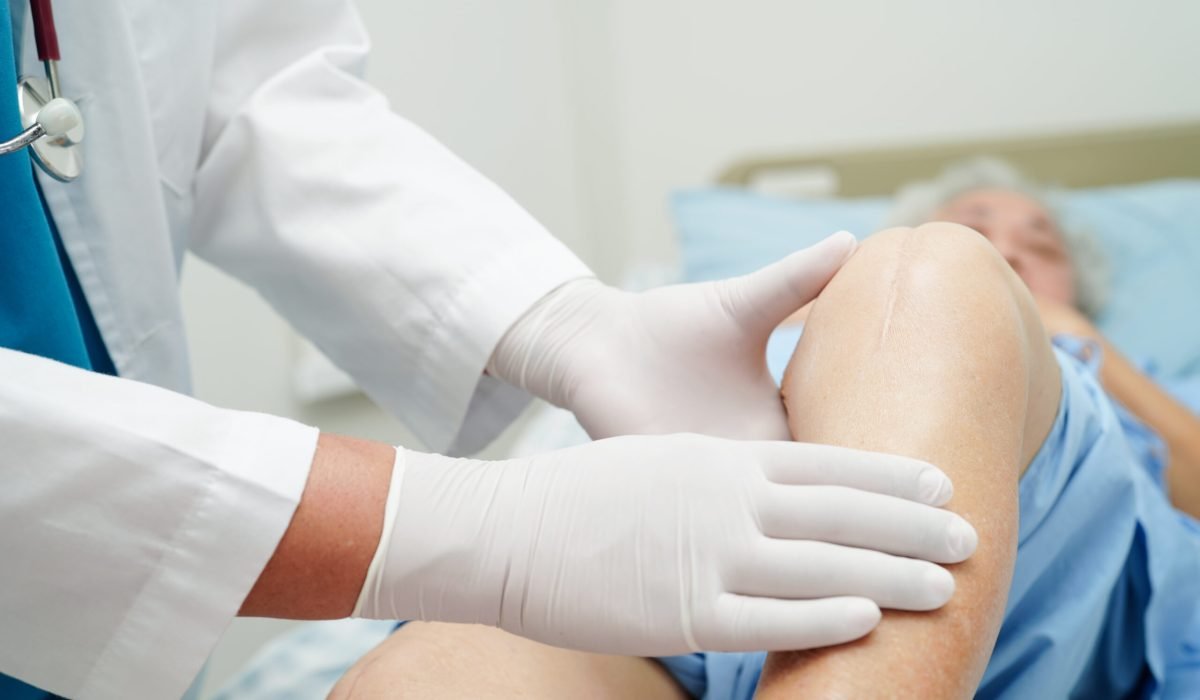
Partial knee replacement recovery is significantly faster, less painful, and more straightforward than most patients expect. Unlike a total knee replacement, which removes all three compartments of the knee joint, a unicompartmental (partial) knee replacement targets only the section that is damaged. The surrounding bone, cartilage, and ligaments remain completely intact, and that difference changes almost everything about how the body heals.
If you are between 50 and 65, still active, and have been told that damage is confined to one compartment of your knee, this guide is written specifically for you. It covers the full partial knee replacement recovery timeline from day one through to six months, practical tips to speed your recovery, and clear answers to the questions UK patients ask most often.
One more thing worth stating upfront: NHS waiting times for partial knee replacement are, in many cases, just as long as for total knee replacement. This guide also covers what your options look like if you cannot afford to wait.
How Long Does Partial Knee Replacement Recovery Take?
The headline answer: most patients are walking without crutches within 2 to 4 weeks, and back to full activity within 3 to 6 months. That is considerably faster than total knee replacement, which typically requires 6 to 12 months for a complete recovery.
The difference comes down to how much of the joint is disturbed during surgery. A partial replacement preserves the healthy compartments, the surrounding ligaments, and the natural mechanics of the knee. This allows the body to heal more quickly and physiotherapy to progress at a faster pace.
Partial vs. Total Knee Replacement: Recovery at a Glance
| Milestone | Partial Knee Replacement | Total Knee Replacement |
| Walking unaided | 2 to 4 weeks | 6 to 8 weeks |
| Return to desk work | 3 to 4 weeks | 6 to 8 weeks |
| Driving | 4 to 6 weeks | 6 to 8 weeks |
| Light sport (cycling, swimming) | 6 to 8 weeks | 3 to 4 months |
| Full recovery | 3 to 6 months | 6 to 12 months |
For UK patients currently on NHS waiting lists, it is worth knowing that current average waiting times for elective knee surgery frequently exceed 12 months, according to NHS England waiting times data, which is why many patients begin researching knee replacement options in Thailand alongside their NHS referral rather than waiting until the list stalls completely. During that period, many patients find their mobility declines further, which can affect recovery outcomes when surgery eventually takes place.
Partial Knee Replacement Recovery: Week by Week
The timeline below covers what to expect at each stage of recovery from partial knee replacement. The times given are approximate. Your age, weight, fitness level, and the precision of the surgical approach all play a role in how quickly you progress.
Days 1 to 3: The Hospital Phase
Physiotherapy begins the morning after surgery. You will stand and take short walks with physiotherapy support, usually within 24 hours of the procedure. Early mobilisation is evidence-based: it reduces the risk of deep vein thrombosis and accelerates soft tissue recovery.
Pain is managed effectively with medication, and ice packs combined with elevation reduce swelling in the joint. Most patients are discharged within 2 to 3 days. Minimally invasive surgical approaches sometimes allow for a 1-day hospital stay.
Week 1: Coming Home
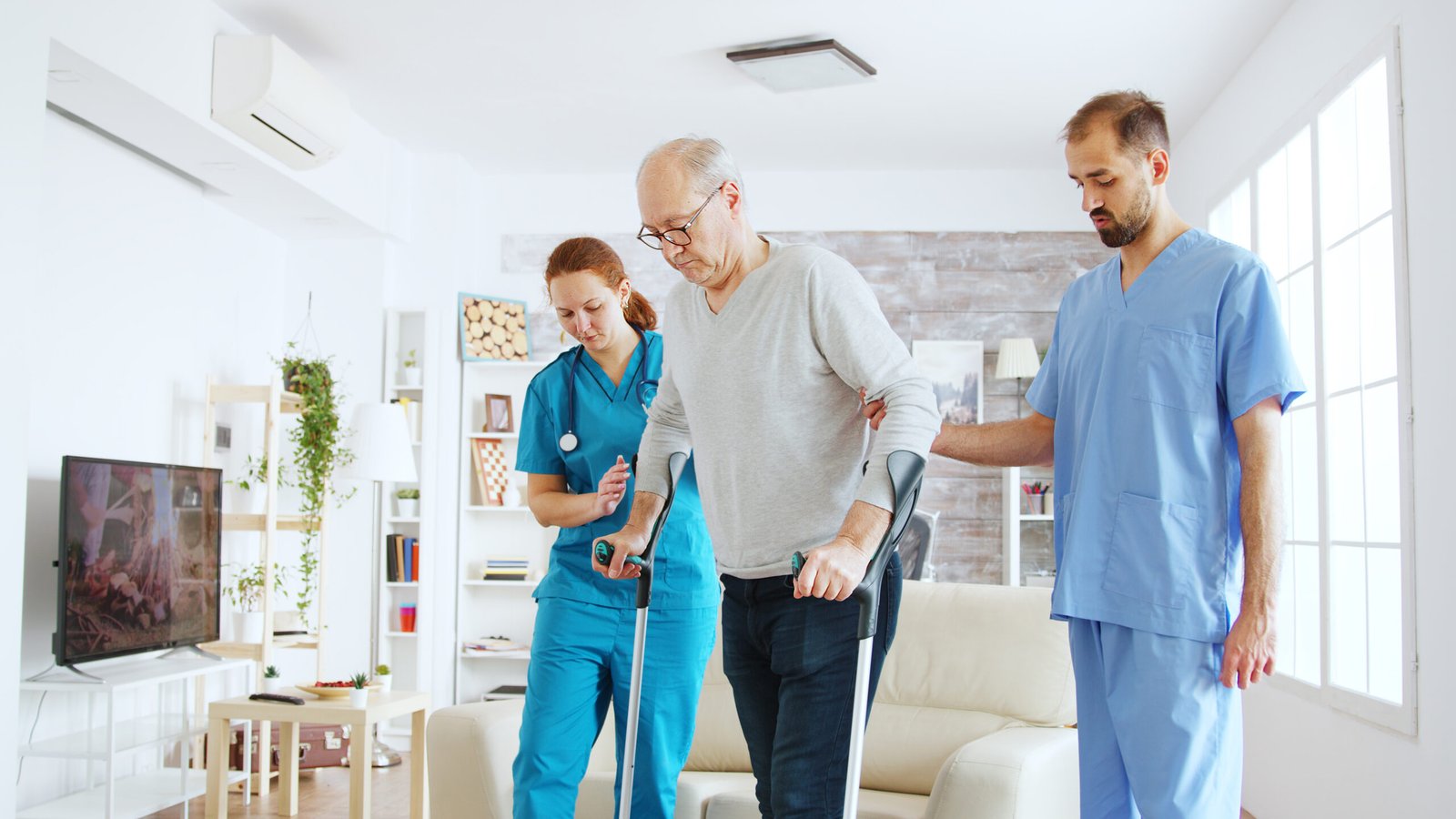
Walking with crutches or a walking frame is standard during the first week. Short, frequent walks around the home are the goal, typically five to ten minutes several times per day. Longer is not better at this stage.
Keep the wound clean and dry. Report any increased redness, warmth, or discharge to your clinical team promptly. Your physiotherapist will have provided a set of home exercises to perform consistently: ankle pumps, heel slides, and gentle knee bends. Fatigue is entirely normal and should be expected throughout the first week.
Weeks 2 and 3: Building Independence
Most patients transition from two crutches to one, or from a crutch to a walking stick, during this period. Stair climbing, which may have felt challenging in week one, usually improves significantly by day ten or twelve.
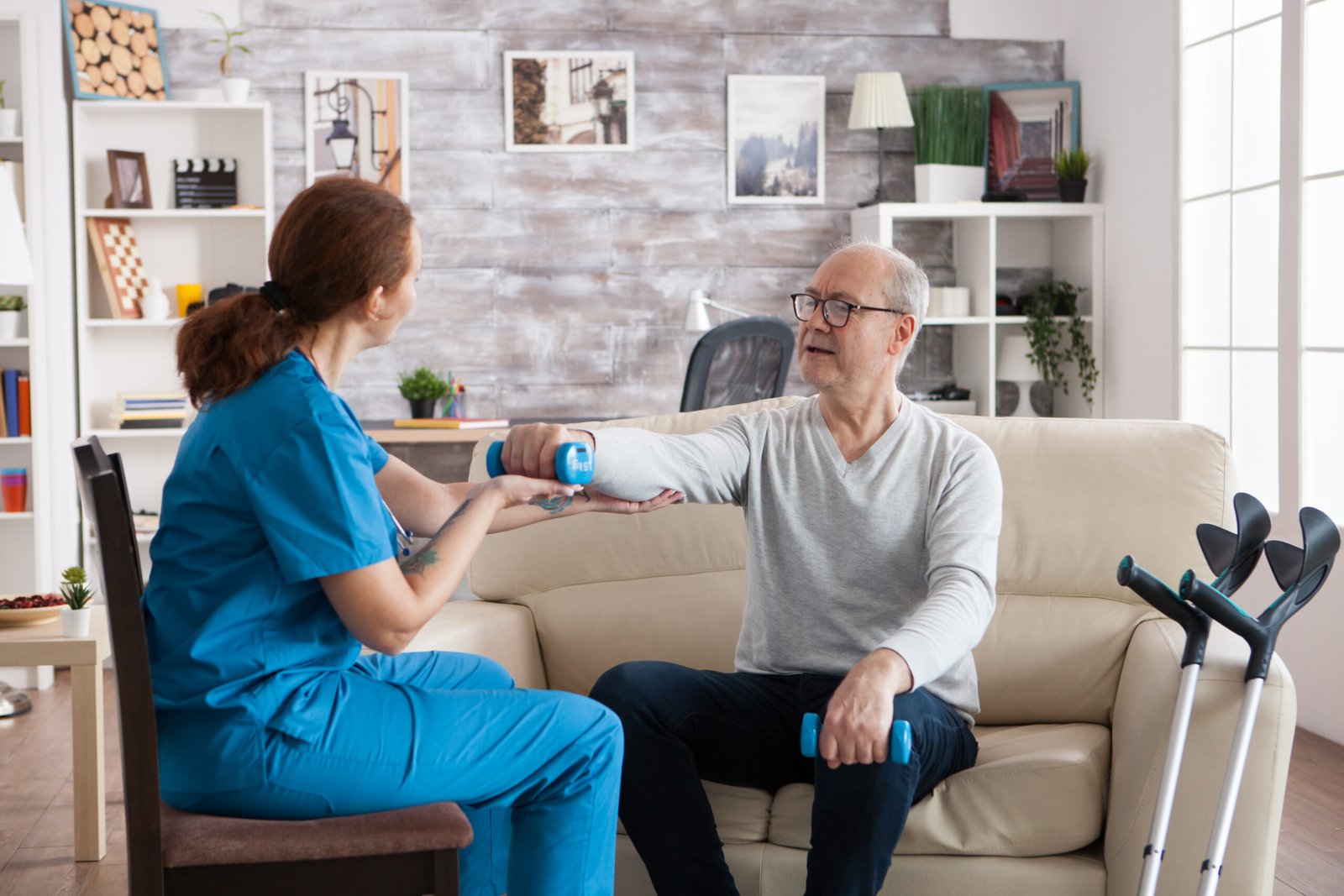
Physiotherapy exercises increase in intensity. Stationary cycling is often introduced around week two as a gentle way to improve range of motion without placing undue stress on the joint. Swelling continues to reduce, and daily movement becomes noticeably more comfortable.
Weeks 4 to 6: The Turning Point
This is the phase that surprises most patients. By week four, many people are walking unaided without a stick, and return to desk work is realistic for the majority, particularly those who work from home or have a sedentary role.
Driving clearance depends on which knee was operated on and the type of car. For an automatic car with a left knee replacement, many surgeons give clearance around weeks 4 to 6. Right knee replacement, or a manual gearbox, typically requires a few additional weeks. Always confirm with your own surgeon before driving. Swimming and gentle cycling are usually possible by week six.
Weeks 6 to 12: Return to Activity
The majority of patients feel 80 to 90 percent recovered during this phase. Low-impact sports, including golf, walking, and cycling, is typically cleared by the surgeon. Higher-impact activities such as running or skiing are discussed individually. Partial knee replacement patients generally have more freedom here than those who have had a total replacement, because more of the natural joint structure is preserved.
Three to Six Months: Full Recovery
Full recovery for most patients falls within three to six months. The implant settles into the joint and begins to feel completely natural during daily movement. Partial knee implants are designed to last 15 to 20 years. Annual check-ups with your surgeon or GP are recommended to monitor implant longevity over time.
What Makes Partial Knee Replacement Recovery Faster Than Total?
Understanding the clinical reasons for faster recovery also helps you appreciate why this procedure suits certain patients so well. The key factors are:
- Less tissue disruption. Only the damaged compartment of the knee is replaced. The two healthy compartments and the surrounding ligaments remain intact. This preserves the natural mechanics of the joint and reduces the scale of tissue healing required.
- Smaller incision. A partial replacement typically involves a 3 to 5 inch incision, compared to 8 to 12 inches for a total replacement. Less surgical trauma means less tissue to heal and a lower risk of post-operative complications.
- Faster physiotherapy progression. Because the joint mechanics are more preserved, the physiotherapy programme advances more quickly than after a total knee replacement.
- Less blood loss. The smaller scale of the operation reduces post-operative blood loss, which in turn reduces fatigue during the recovery period and supports faster rehabilitation.
Partial knee replacement is appropriate when damage is confined to one compartment, when ligament function is good, and typically when BMI is under 35. The National Institute for Health and Care Excellence (NICE) publishes candidacy criteria for unicompartmental knee replacement, which your surgeon will use to assess suitability. You can review these at
NICE guidance on knee replacement procedures. The British Orthopaedic Association also publishes peer-reviewed outcome data confirming strong long-term results for appropriately selected partial knee replacement patients.
Recovery Tips: How to Heal Faster
The following advice is practical and evidence-based. It does not replace the guidance of your own surgical team, but it aligns with what research consistently shows makes partial knee replacement recovery go more smoothly.
- Start physiotherapy immediately. The same-day or next-day walking protocol is not simply encouraged by surgeons, it is the clinical standard. Early mobilisation reduces DVT risk and accelerates soft tissue recovery. Patients who begin physiotherapy promptly recover measurably faster than those who delay.
- Ice and elevate consistently. For the first two weeks, apply ice for 20 minutes on and 20 minutes off. Elevating the leg above heart level reduces swelling significantly. Together, these two simple measures have a measurable effect on pain levels during the early stages.
- Manage your home environment before surgery. Remove trip hazards: loose rugs, trailing cables, anything the tip of a crutch could catch. Set up a temporary living space on the ground floor if your bedroom is upstairs. Install a grab rail in the bathroom. Small preparations before surgery make the first week at home considerably easier.
- Prioritise protein intake. Tissue repair requires protein. Aim for 1.2 to 1.5 grams per kilogram of body weight during the recovery period, particularly in the first four weeks when healing is most active. Lean meat, fish, eggs, legumes, and Greek yoghurt are straightforward sources.
- Consider a warm climate for recovery. Recovering in a warm environment has genuine physiological advantages. Warmth promotes circulation, reduces joint stiffness, and makes gentle walking more comfortable. Patients who recover in Thailand’s climate often walk more frequently and with less discomfort than they would during a British winter. This is one of the less-discussed advantages of treatment abroad.
Conclusion: Is the Wait Worth It?
Partial knee replacement recovery is faster than most patients expect, typically 3 to 6 months to full activity. Walking unaided by week four, returning to work within a month, and getting back to low-impact sport by week eight is a realistic outcome for the right candidate.
For UK patients currently on NHS waiting lists, the wait itself has become the obstacle. Every month spent waiting is a month of continued pain, reduced mobility, and in some cases, a gradual decline in the physical fitness that makes recovery go well when surgery eventually happens.
Through Medidash, the same procedure, performed in a JCI-accredited Bangkok hospital, can be scheduled within 2 to 4 weeks of your initial enquiry. Surgery, hospital stay, physiotherapy, and aftercare coordination are all managed through a single point of contact. Read more about how the process works on our Knee Replacement in Thailand treatment page, or explore what Bangkok’s leading hospitals offer on our partner hospitals page. You can also review our guide to flying after knee replacement surgery for practical advice on the journey home.
Get in touch via our Contact Us page, and a member of the Medidash team will be in touch within one working day.
Frequently Asked Questions About Partial Knee Replacement
How long does partial knee replacement recovery take?
Most patients walk unaided within 2 to 4 weeks and are fully recovered within 3 to 6 months. This is considerably faster than total knee replacement, which typically takes 6 to 12 months for complete recovery.
Is partial knee replacement worth it?
For suitable candidates, yes. The evidence consistently shows faster recovery, less post-operative pain, and more preserved natural knee movement compared to total knee replacement. The British Orthopaedic Association reports strong long-term outcomes for unicompartmental knee replacement in appropriately selected patients, with implant survival rates comparable to total replacement over 15 to 20 years.
How much does a partial knee replacement cost in the UK?
Privately in the UK, expect to pay between £8,000 and £14,000, depending on the hospital, surgeon, and implant used. Through Medidash in Bangkok, the same procedure starts from £7,150, inclusive of hospital stay and physiotherapy. Full pricing details and package inclusions are on our Knee Replacement in Thailand treatment page.
Can I have a partial knee replacement in Thailand?
Yes. Bangkok’s JCI-accredited hospitals perform unicompartmental knee replacements to international standards, with surgical teams experienced in treating patients from the UK and across Europe. Waiting times through Medidash are typically 2 to 4 weeks from initial enquiry to surgery, compared to 12 months or more on the NHS. You can learn more about the hospitals Medidash works with on our partner hospitals page.
What do partial knee replacement recovery stories tell us?
Most patients report being surprised by how quickly they recovered relative to their expectations. Walking unaided by week four, when many had expected to still be on crutches, comes up repeatedly in patient accounts. The key factor, consistently cited by physiotherapists and surgeons, is beginning rehabilitation as early as possible and maintaining the home exercise programme between clinic sessions.
What is the difference between partial and total knee replacement recovery?
The core difference is the scale of the procedure. A total knee replacement removes all three compartments of the knee; a partial replacement removes only one. This leads to a smaller incision, less tissue disruption, faster physiotherapy progression, and a shorter recovery overall. Our complete guide to knee and hip replacement covers both procedures side by side in more detail.