
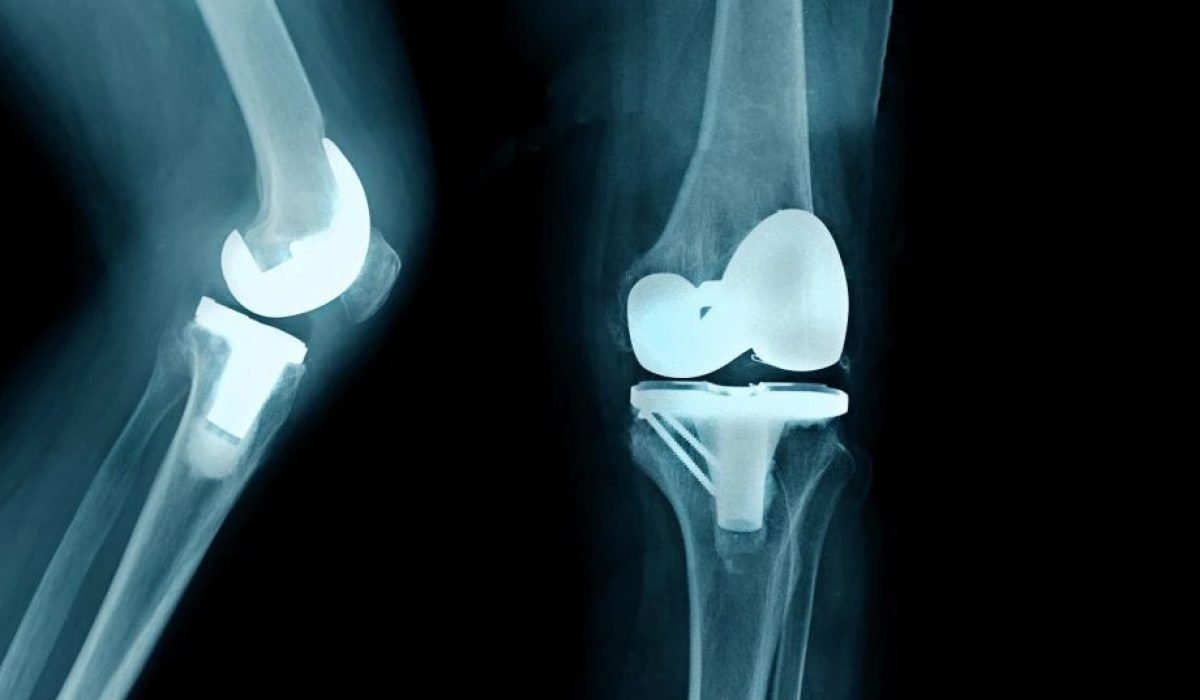
If both of your knees are worn out, the idea of going through surgery and recovery twice can be exhausting to contemplate. That is why many people ask whether both knees can be replaced at the same time. The short answer is yes: this is called a bilateral knee replacement, and it can be done either in a single operation or as two separate surgeries months apart. Which approach is right depends on your health, your age and how much support you will have during recovery. This guide compares both options on recovery, risk and cost, and explains what a bilateral knee replacement in Thailand involves for patients travelling for surgery.
Quick answer
Yes, you can have both knees replaced at once (simultaneous bilateral) or a few months apart (staged bilateral). Simultaneous means one operation, one anaesthetic, one hospital stay and one recovery, but a more intense rehab and a higher risk profile, so it suits healthier, younger patients. Staged is gentler on the body but means two of everything. Long-term results are similar for well-selected patients
Simultaneous vs Staged Bilateral Knee Replacement, at a Glance
The two approaches replace the same joints; they differ in whether it happens in one operation or two. Here is how they compare on the things patients care about most.
| Simultaneous (both at once) | Staged (a few months apart) | |
|---|---|---|
| Operations | One | Two |
| Anaesthetics | One | Two |
| Hospital stays | One (often slightly longer) | Two (shorter each) |
| Total recovery | One recovery, more intense early on | Two recoveries, gentler each time |
| Surgery time | Around 3 to 4 hours | Around 2 hours each |
| Risk profile | Higher during surgery; needs a healthier patient | Lower per operation |
| Best suited to | Younger, healthier patients with good support at home | Older patients, or those with heart or lung conditions |
| Total cost | Usually lower (one admission) | Usually higher (two admissions) |
Neither is universally better. The right choice is a clinical decision made with your surgeon after reviewing your overall health, not a preference you settle on alone.
What Is a Bilateral Knee Replacement?

Bilateral simply means both sides. A bilateral knee replacement replaces the worn surfaces of both knee joints, rather than one. It can be done two ways. In a simultaneous (or concurrent) bilateral knee replacement, both knees are replaced in a single operation, on the same day, under one anaesthetic. In a staged bilateral knee replacement, each knee is replaced in its own operation, usually a few months apart, allowing the first knee to recover before the second is done. Either knee can receive a total or, in suitable patients, a partial replacement.
Who Is a Candidate for Having Both Knees Done at Once?
Simultaneous surgery asks more of the body in a single sitting, so surgeons are selective about who they offer it to. It is generally considered most appropriate for patients who are:
- Younger and in good general health, often under around 70
- Free of significant heart, lung or vascular conditions, which raise the risk of complications under a longer anaesthetic
- Within a healthy weight range
- Able to arrange substantial help at home, since you will be recovering two knees at once and mobility is limited early on
Patients who are older, carry significant health conditions, or live alone without support are usually steered toward the staged approach instead, because it spreads the physical demand and lets one leg do more of the work while the other heals. Your surgeon makes this call after reviewing your medical history and scans. If you are still deciding between a total and a partial replacement for each knee, our guide to total vs partial knee replacement is a useful companion read.
Double Knee Replacement Recovery Timeline
The overall recovery pattern follows the same stages as a single knee, which we cover in detail in our week-by-week knee replacement recovery guide. The difference with a simultaneous bilateral is that the early phase is more demanding, because you are rehabilitating both legs at the same time and cannot lean on a “good” leg.
- In hospital: expect a slightly longer stay than for a single knee. Physiotherapy starts within a day, and some patients move to an inpatient rehabilitation setting before going home.
- Weeks 1 to 6: this is the hardest stretch. You will need real help at home, and getting to the bathroom, dressing and moving around all take longer with both knees healing. Consistent physiotherapy matters more here than at any other point.
- Weeks 6 to 12: mobility improves noticeably and reliance on aids drops away for most patients.
- Months 3 to 12: continued gains in strength and confidence, with full recovery over six to twelve months, the same horizon as a single knee.
The trade-off is real but time-limited: a harder first six weeks in exchange for going through recovery only once. Staged surgery reverses that, with an easier recovery each time but two of them, often spread across the better part of a year.
The Risks: What the Evidence Actually Shows
Doing both knees in one operation means a longer anaesthetic and more surgical stress in a single sitting, so the recognised risks, blood loss and the possible need for a transfusion, blood clots, infection, and cardiac or lung complications, are higher than for a single knee. This is exactly why patient selection is so careful.
The reassuring part is what happens when patients are well selected. A registry review of more than 11,000 patients presented to the American Association of Hip and Knee Surgeons found no increased risk of revision, infection or death for simultaneous versus staged bilateral knee replacement in appropriately chosen patients. In other words, the higher risk is real but is managed by choosing the right candidates, which is the whole point of the assessment before surgery. Long-term outcomes, mobility, stiffness and quality of life, are broadly similar between the two approaches. For authoritative background on the procedure itself, the AAOS patient guide to total knee replacement and the NHS knee replacement overview are good independent references.
Bilateral Knee Replacement Cost
Cost is one of the clearest advantages of the simultaneous approach. Because it involves a single admission, one anaesthetic and one rehabilitation period rather than two of each, a simultaneous bilateral knee replacement is generally less expensive overall than staging the two surgeries separately, with some analyses putting the saving at close to half. Staged surgery, by contrast, effectively doubles the hospital and anaesthetic components.
For patients comparing this against the cost at home, our guide to knee replacement cost in Australia breaks down the single-knee figures; a bilateral procedure is not simply double, so ask for a specific bilateral quote rather than doubling a single-knee price. If you are considering having both knees done in Thailand, Medidash Global can provide a fixed, all-inclusive bilateral quote with the implant inclusions stated up front, so you can compare like with like.
Having Both Knees Done in Bangkok: One Trip, One Recovery
For international patients, a simultaneous bilateral has one advantage that matters more than it does for someone treated at home: it turns two overseas trips into one. Rather than flying to Thailand, recovering, flying home, and repeating the whole thing months later for the second knee, a simultaneous procedure means a single trip, a single block of supervised recovery, and a single flight home.
That does mean planning for a longer stay than a single knee would need, since you will want both knees stable and cleared by your surgeon before a long flight. Medidash Global builds that extra recovery time into the plan and coordinates physiotherapy so you leave with a clear home exercise programme. Because both knees will be healing at once, arranging help for the flight and the first days back home matters, and our team will talk you through it. Our guide on how long to wait before flying after knee replacement covers the timing, and the complete guide to knee and hip replacement walks through the whole journey end to end.
Book a Private Consultation with Medidash Global

Whether both knees can be done in one operation is ultimately a clinical decision, and it starts with a proper look at your health and your scans. Medidash Global coordinates bilateral knee replacement with JCI-accredited partner hospitals in Bangkok, so you can find out whether you are a candidate for a simultaneous procedure before committing to anything.
- A free review of your scans and specialist letters to assess whether simultaneous surgery is suitable for you
- A remote consultation covering the simultaneous vs staged decision in plain English
- A fixed, all-inclusive bilateral quote with implant inclusion stated up front
- A realistic recovery and travel plan built around doing both knees in one trip
Wondering if you can do both knees at once?
Book a private, no-obligation consultation with a Medidash Global care coordinator and find out whether a simultaneous bilateral knee replacement is right for you.
Frequently Asked Questions About Bilateral Knee Replacement
Can you have both knees replaced at the same time?
Yes. This is called a simultaneous (or concurrent) bilateral knee replacement, where both knees are replaced in one operation under a single anaesthetic. It is usually offered to younger, healthier patients. The alternative is a staged procedure, where each knee is done separately a few months apart.
Is it better to have both knees replaced at once or one at a time?
Neither is universally better. Doing both at once means one operation, one hospital stay and one recovery, but a more intense early rehab and a higher risk profile, so it suits healthier patients. Staging is gentler on the body but means two surgeries and two recoveries. Long-term results are similar for well-selected patients, so it is a decision to make with your surgeon.
How long is recovery after a double knee replacement?
The overall timeline is similar to a single knee, with full recovery over six to twelve months, but the first six weeks are more demanding because both knees are healing at once. Most patients need substantial help at home during that early period.
Is bilateral knee replacement more dangerous?
Doing both knees in one operation carries higher surgical risks than a single knee, including greater blood loss and cardiopulmonary stress, which is why patient selection is careful. In appropriately chosen patients, large registry data shows no increased risk of revision, infection or death compared with staged surgery.
Is bilateral knee replacement cheaper than two separate surgeries?
Usually, yes. A simultaneous procedure involves one hospital admission, one anaesthetic and one rehabilitation period rather than two of each, so the total cost is generally lower than staging the surgeries. Always ask for a specific bilateral quote rather than doubling a single-knee price.
Can I have both knees replaced in Thailand?
Yes. Medidash Global coordinates bilateral knee replacement with JCI-accredited partner hospitals in Bangkok, which for international patients has the advantage of turning two overseas trips into one. Whether you are a candidate for a simultaneous procedure depends on your health and is confirmed after a review of your scans.