
If a torn meniscus, a damaged ACL or a knee that keeps catching and giving way has landed you a surgery date months away, arthroscopic knee surgery in Thailand is worth understanding properly before you decide anything. This keyhole procedure treats a specific set of injuries well, but it is not the right answer for every sore knee. This guide walks through what arthroscopy actually fixes, when it is not recommended, what it costs compared with home country private care, how long recovery takes by procedure, and how Medidash Global coordinates the whole journey, from your first video consultation through to the flight home.
What Is Knee Arthroscopy?
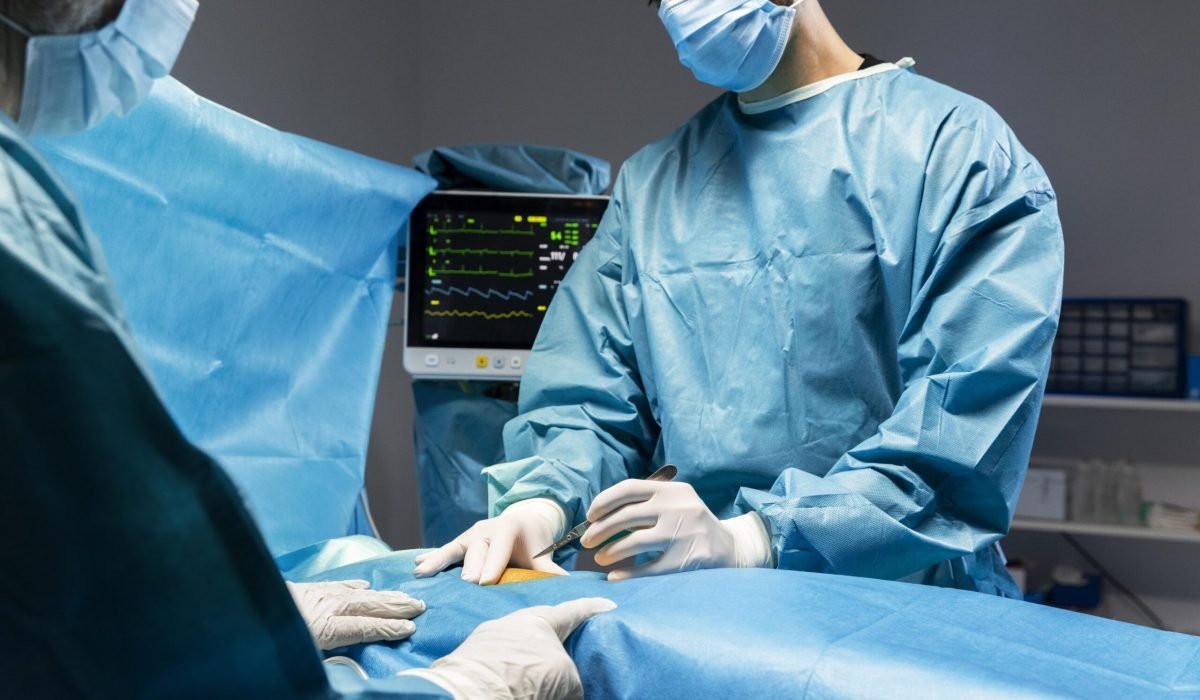
Knee arthroscopy is minimally invasive keyhole surgery. A surgeon inserts a narrow camera, called an arthroscope, through a small incision to see inside the joint, then works through one or two further small incisions to treat what they find. Most procedures take 30 to 90 minutes under regional or general anaesthesia, and the majority of patients go home the same day or after one night.
Because the incisions are small, arthroscopy generally means less post-operative pain, a shorter hospital stay and a faster return to daily life than open knee surgery. It is used both to diagnose a problem that scans have not fully explained and, in the same operation, to treat it.
Conditions Arthroscopic Knee Surgery Treats
Arthroscopy is genuinely effective for a specific group of mechanical knee problems, most of which affect younger, more active patients or follow a clear injury.
Meniscus Tears: Trim vs Repair
The meniscus is the C-shaped cartilage that cushions the knee joint. A torn meniscus is treated one of two ways. A partial meniscectomy trims away the unstable, damaged fragment and usually allows weight-bearing within days. A meniscus repair stitches the tear back together to preserve as much cartilage as possible, which protects the knee long term but needs several weeks of protected weight-bearing to heal.
ACL and PCL Reconstruction
A torn anterior cruciate ligament (ACL) or posterior cruciate ligament (PCL) is reconstructed arthroscopically using a graft, often taken from the patient’s own hamstring or patellar tendon. This is the procedure behind most sports-related knee reconstructions and generally has a longer, more structured rehabilitation than meniscus surgery, since the graft needs time to integrate before the knee can be loaded fully again.
Loose Bodies and Cartilage Damage
Arthroscopy is also used to remove loose fragments of bone or cartilage that cause a knee to catch or lock, and to smooth small areas of cartilage damage. These procedures are usually quicker and have a shorter recovery than a repair or reconstruction.
When Knee Arthroscopy Is Not the Right Answer
This is where an honest article has to be direct: arthroscopic surgery for knee osteoarthritis is, for most patients, not recommended by current clinical guidance, and Medidash will not encourage a patient toward a procedure the evidence does not support.
The UK’s National Institute for Health and Care Excellence advises that arthroscopic lavage and debridement should not be offered as a treatment for osteoarthritis, unless there is a clear history of true mechanical locking rather than general stiffness or giving way. (NICE / AOMRC evidence summary, updated 2023)
In Australia, the Australian Rheumatology Association’s Choosing Wisely recommendation, developed with the Royal Australasian College of Physicians, states plainly that arthroscopic surgery for knee osteoarthritis does not reliably improve outcomes and can, in some cases, cause more harm than good. (Choosing Wisely Australia / RACP).
The exception both guidelines agree on is a knee with a genuine history of mechanical locking, a loose body, or a specific repairable tear alongside arthritis. If that describes your knee, arthroscopy may still be appropriate, and this is exactly the kind of detail Medidash’s coordinating team reviews with your scans and history before recommending any procedure. If arthroscopy is not the right fit, we say so, because a filtered, honest recommendation is worth more than a booked flight.
Cost of Arthroscopic Knee Surgery: Thailand vs Australia, UK and the US
Arthroscopy is priced differently to a full knee replacement, and figures vary widely depending on whether the procedure is a simple debridement, a meniscus repair or an ACL reconstruction with a graft. The comparison below uses published home country data so you can see the real gap between waiting on cover you already have and paying privately, whether at home or abroad.
| Where | Typical private cost (single knee) | What it usually includes |
|---|---|---|
| Australia (private, insured) | Approx. AUD 3,800–5,500 total (specialist fee, hospital and anaesthetist); typical out-of-pocket gap is much lower where insured | Surgeon and anaesthetist fees, day-case hospital stay |
| Australia (private, self-funded) | Approx. AUD 6,000–9,000 total without insurance cover | Same as above, paid in full |
| United Kingdom (private, self-pay) | Approx. £4,300–£6,000 for meniscus surgery or ACL reconstruction | Consultation, surgery, pre-assessment, aftercare |
| Thailand (Medidash-coordinated) | Confirm with our team for a current, all-inclusive quote | Surgery, hospital stay, coordinator support, airport transfers; confirmed after your scans are reviewed |
Figures for Australia are drawn from the Australian Government’s Medical Costs Finder and published private health fund cost data. UK figures reflect published self-pay guide prices at private orthopaedic hospitals. Unlike a knee replacement, where Medidash’s standard and MAKO robotic pricing is fixed and published, arthroscopy pricing depends on exactly what is done inside the joint, so we confirm every arthroscopy quote individually once a surgeon has reviewed your imaging.
For context, Medidash’s knee replacement program in Thailand starts from £6,360 for a standard procedure and £11,660 for MAKO robotic-assisted surgery (implant included in the robotic package), so patients weighing arthroscopy against a possible future replacement can see both pathways side by side.
Recovery Time by Knee Arthroscopy Procedures
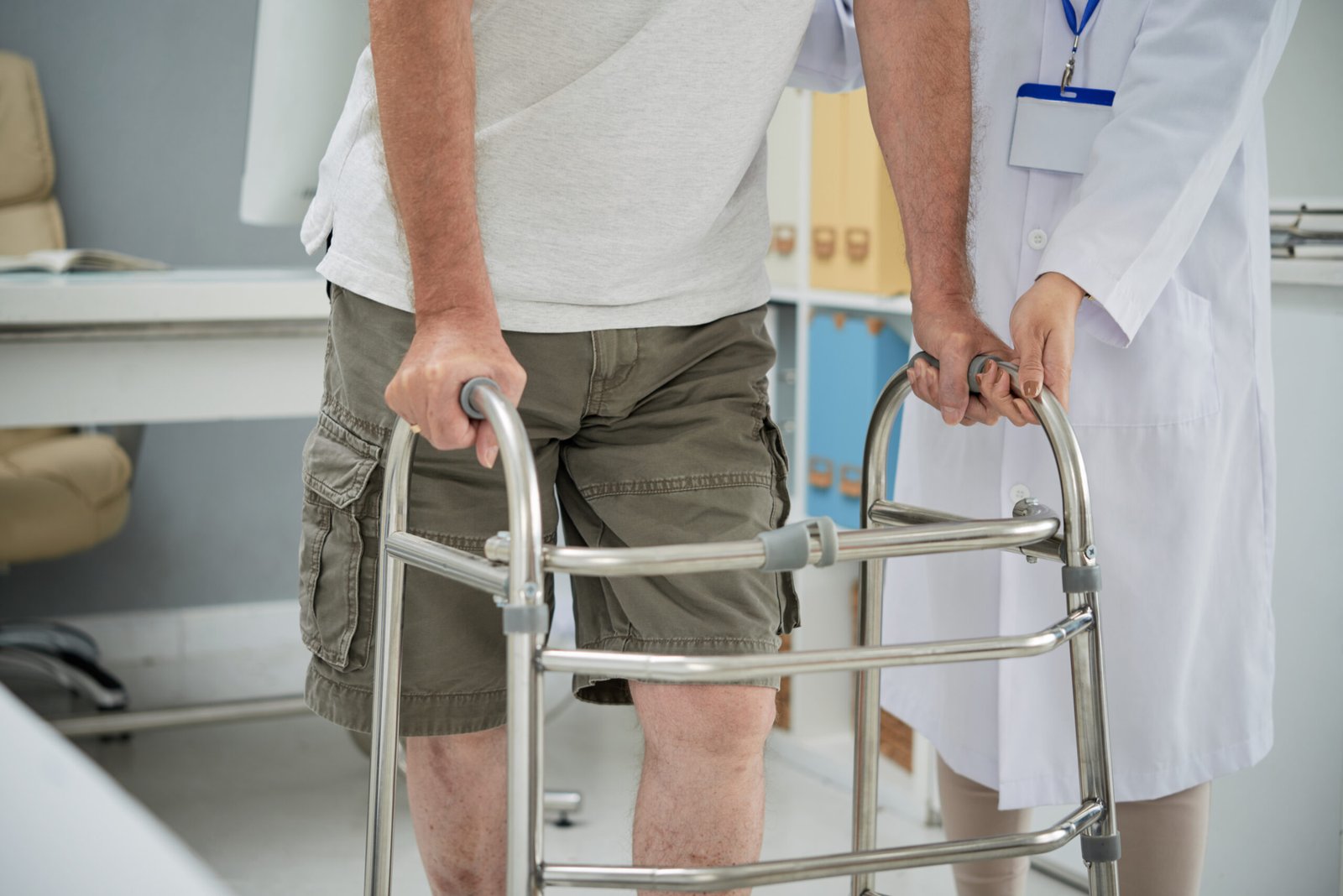
Recovery from arthroscopy depends almost entirely on what was actually done inside the knee, not on the fact that it was keyhole surgery.
| Procedure | Weight-bearing | Return to light work | Full recovery |
|---|---|---|---|
| Debridement / loose body removal | Immediate, as tolerated | 3–7 days | 2–4 weeks |
| Partial meniscectomy | Immediate or near-immediate | 1–2 weeks | 4–6 weeks |
| Meniscus repair | Protected for 4–6 weeks (brace) | 2–3 weeks | 3–4 months |
| ACL / PCL reconstruction | Protected for several weeks | 3–4 weeks | 6–9 months for full sport |
Stitches are typically removed 7 to 14 days after surgery. Most patients are cleared to walk with crutches within a day or two, and physiotherapy usually begins within the first one to two weeks to protect range of motion. Our terminology guide breaks down the medical language you will hear from your surgeon, from chondral defect to graft fixation, in plain English.
How Long to Stay in Bangkok Before Flying Home
This is one of the most common questions international patients ask, and the honest answer is that it depends on the procedure and the length of your flight, not a single fixed number.
- Debridement or a straightforward partial meniscectomy: many patients are cleared for a short-haul flight within about a week, with long-haul flights typically approved slightly later.
- Meniscus repair or ACL reconstruction: your surgeon will usually want to see you for a wound check and a swelling assessment before clearing you for a long-haul flight, which often pushes the safe travel window closer to two to three weeks.
- On any flight after knee surgery, compression stockings, an aisle seat, and short walks every hour or two reduce swelling and clot risk.
Your Medidash coordinator builds your travel dates around your surgeon’s own sign-off, not a generic template, and works with you on hotel extensions if your recovery needs a few extra days. For patients also weighing a future knee replacement, our guide to flying after knee replacement surgery covers the longer timeline that procedure requires.
Choosing a Hospital for Knee Arthroscopy in Thailand
Bangkok has a genuine concentration of internationally accredited hospitals and fellowship-trained orthopaedic surgeons who perform arthroscopic knee surgery at high volume. When Medidash matches you with a surgeon and facility, we screen for:
- Joint Commission International (JCI) accreditation, the same standard used to benchmark hospital safety and quality internationally
- Surgeons with a documented, high-volume caseload specifically in arthroscopic knee procedures, not general orthopaedics alone
- On-site physiotherapy so your early rehabilitation starts before you even leave hospital
- 24/7 English-speaking coordination between your surgeon, your physiotherapist and your Medidash case manager
We do not publish our partner hospitals’ names on this page, because our agreements with them are structured around quality criteria rather than promotional placement, but every match is disclosed to you individually once your case is reviewed. Our article on choosing a hospital for orthopaedic surgery abroad goes into more detail on what separates a genuinely well-run international patient program from a hospital that simply accepts overseas bookings.
Getting Started With Medidash for Knee Arthroscopy

If a torn meniscus or an unstable ACL is genuinely holding your life up, waiting months for a public system appointment is not the only option, and neither is booking surgery abroad blind. Medidash’s clinical team reviews your scans and history first, gives you a straight answer on whether arthroscopy is right for you, and only then puts together a coordinated plan covering your surgeon, your hospital stay, your recovery and your flight home. Contact Medidash to start with a free review of your case.
Frequently Asked Questions about Arthroscopic Knee Surgery in Thailand
Is arthroscopic knee surgery in Thailand safe for international patients?
Yes, when performed at a JCI-accredited hospital by a fellowship-trained orthopaedic surgeon. Medidash only works with hospitals and surgeons who meet international accreditation and volume standards, and every patient has a dedicated coordinator throughout their stay.
How do I know if I need surgery at all, or just physiotherapy?
A clear history of mechanical locking, catching, or a knee that gives way under you points toward a repairable structural problem. Pain without locking, especially in an older or arthritic knee, often responds better to exercise-based rehabilitation than to arthroscopy. Medidash’s clinical review includes this assessment before any surgery is recommended.
Can I combine arthroscopic knee surgery with a holiday in Thailand?
Light sightseeing is often possible once your surgeon clears you to walk further, but strenuous activity, long days on your feet, and travel to a different city are best avoided until your wound has healed and your surgeon has signed off. Your coordinator will build this into your itinerary.
What is included in a Medidash arthroscopy package?
Surgeon and hospital coordination, airport transfers, a dedicated case manager, and support arranging accommodation are standard. Exact inclusions and pricing are confirmed once your surgeon has reviewed your scans, since the surgical plan affects both the cost and the recovery timeline.
Will my meniscus tear need a repair or a meniscectomy?
This depends on the tear pattern, your age, and the tissue quality your surgeon sees during the procedure, and it is not always possible to know for certain until surgery itself. Younger patients and repairable tear patterns are generally steered toward repair where possible, to preserve long-term knee health.