
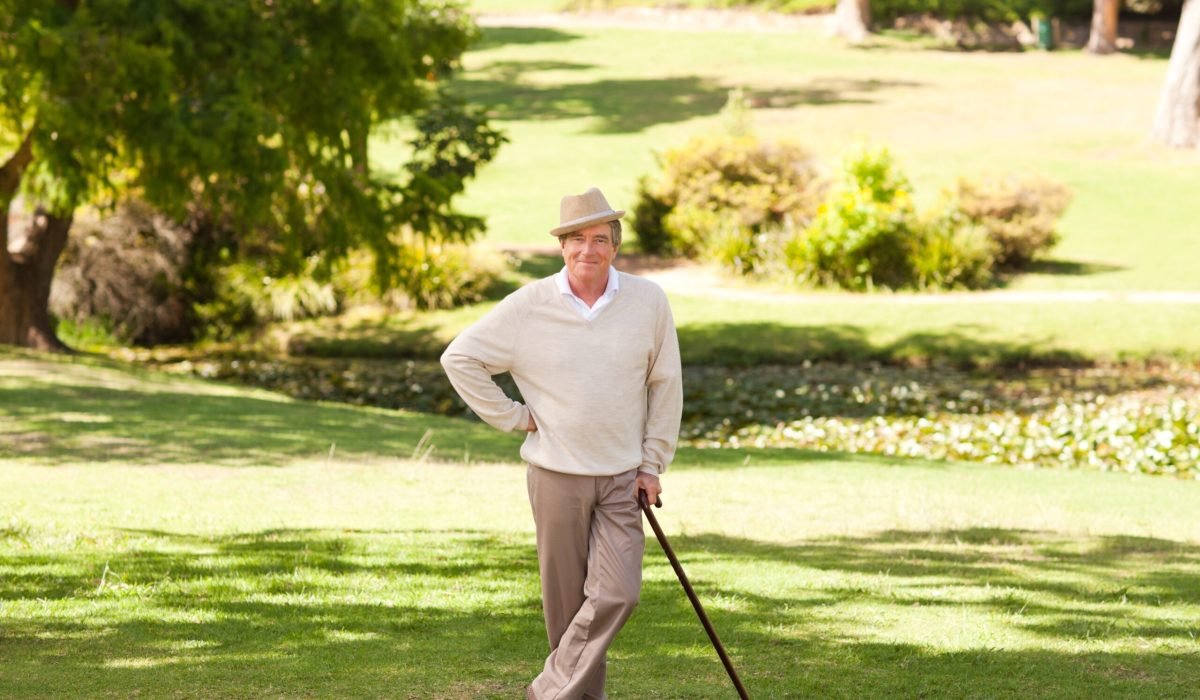
Can you run after a knee replacement? It depends, but for most patients regular running is not advised, and a minority return to light jogging with their surgeon’s approval. Modern implants are built to handle decades of walking, golf swings, kneeling and cycling, but the repeated pounding of running places a different kind of stress on the joint that most orthopaedic surgeons still advise against. Whether you’re weighing up knee replacement surgery in Thailand or already recovering from surgery closer to home, this guide sets out exactly what you can expect to do again, and when, from running and golf through to kneeling and everyday movement.
Can You Run After a Knee Replacement? The Direct Answer
It depends, but for most patients regular running is not advised. The American Academy of Orthopaedic Surgeons lists jogging among the high-impact activities to avoid after a knee replacement. In a study of 4,462 joint replacement patients presented to the American Association of Hip and Knee Surgeons, surgeons mostly advised against running or recommended low-impact activity. About 12% of pre-surgery runners in that study were running again within a year, so light jogging may be possible with your own surgeon’s approval.
The concern isn’t that a single run will cause sudden failure. It’s the cumulative effect of thousands of high-impact strides on the plastic and metal components inside the joint. Repetitive high-impact loading can accelerate wear on the implant’s bearing surface.
This isn’t an absolute rule for every single patient. A small number of experienced, pre-surgery runners have returned to light jogging under close specialist supervision, and outcomes for some athletes after specific types of knee surgery are genuinely encouraging. But this remains the exception, not the default plan, and it’s a decision to make with your own surgeon. According to the Arthritis Foundation, running and jogging have long sat on the same restricted list as singles tennis and soccer. Attitudes are gradually shifting for younger, fitter patients, but running still isn’t the safe default it might feel like.
Will You Ever Run Again After a Knee Replacement?
Some people do, but most do not. In a study of 4,462 hip and knee replacement patients presented to the American Association of Hip and Knee Surgeons, almost 12% of people who ran before surgery were running again within a year. Staying active beforehand appears to matter. A systematic review of sport after knee arthroplasty found that most patients who had stopped sport in the year before surgery did not restart, particularly after a total knee replacement. Whether you can run again is a decision to make with your surgeon, based on your implant type, strength and goals.
What Can You Never Do After a Knee Replacement?
There is no single list of permanent bans, but surgeons advise avoiding high-impact activity over the long term. The American Academy of Orthopaedic Surgeons recommends choosing golf, cycling and doubles tennis over jumping, jogging and skiing. Kneeling is not on the list, because it will not harm the knee replacement. Your surgeon can tell you if any restrictions apply to your knee in particular.
Why High-Impact Movement Is Different After a Knee Replacement
A knee replacement swaps damaged cartilage and bone for a combination of metal components and a plastic spacer, known as the bearing. That plastic bearing is the part most affected by repetitive impact. Walking, swimming, cycling and golf load the joint gently and predictably. Running multiplies that load with every single stride, thousands of times over in one session.
Most modern implants are designed to last 15 to 20 years or longer under normal use, and how long yours lasts is closely tied to how the joint is used day to day. If you’re weighing up long-term durability before or after surgery, our guide to how long a knee replacement lasts breaks down exactly what determines implant lifespan, including activity level.
Golf After a Knee Replacement: A Realistic Timeline
Golf is one of the more forgiving sports for a new knee. It’s low-impact and rotational rather than jarring, and it’s genuinely common for patients to return to the course, provided they take it in stages.
Putting and Chipping First
Most patients can begin light putting and chipping around four to six weeks after surgery, once swelling has settled and the surgical wound has fully healed. Keep sessions short, and stop at the first sign of persistent pain or increased swelling.
Working Back to a Full Round
A complete 18-hole round without a cart is a bigger physical ask than most patients expect. About 70% of knee replacement patients return to golf, compared with over 90% of hip replacement patients, and the average time to resume a full round is three to six months, according to OrthoIllinois. Before playing a complete round, most surgeons want to see that you can comfortably walk the equivalent distance, roughly 10,000 steps over four to five hours.
Rushing this stage is one of the more common mistakes patients make after knee replacement surgery, and it’s worth a read before you book your first tee time.
Protecting Your New Knee on the Course
- Use a golf trolley instead of carrying your bag
- Warm up with gentle stretches before every round
- Favour a smoother, slower swing tempo for the first few months
- Wear soft spikes rather than metal ones
- Stop and rest if swelling increases after a round
Kneeling After a Knee Replacement: Is It Safe?

Kneeling is one of the most common worries patients raise after surgery, whether it’s for gardening, prayer, or simply picking something up off the floor. The reassuring news is that kneeling does not damage a knee replacement. Modern implants are built to handle the load of kneeling without any risk to the components underneath.
What patients usually notice instead is discomfort, not danger. Small nerves around the front of the knee are affected during surgery, which often leaves a patch of numbness or unusual sensation over the scar. This can make kneeling feel strange or tight well after the joint itself has healed. For most people, comfortable kneeling returns gradually somewhere between three and twelve months, and a folded towel or kneeling pad under the knee makes the transition easier in the meantime.
If kneeling still feels uncomfortable months into recovery, it’s worth checking that swelling has settled as expected. Our guide to swelling after knee replacement explains what’s a normal part of healing and what should prompt a call to your care team.
Low-Impact Activities That Support Long-Term Joint Health
Giving up running does not mean giving up fitness. Most low-impact activities remain fully open after recovery, and several are actively encouraged because they build strength around the joint without the pounding.
- Walking, gradually increasing distance as strength returns
- Swimming and pool-based exercise, generally once the incision has fully healed
- Stationary cycling, and later outdoor cycling on flat terrain
- Doubles tennis, which involves less court coverage than singles
- Elliptical training, mimicking a running motion with far less impact
- Hiking on graded trails, once balance and stamina allow it
Building this foundation starts before surgery, not after. Patients who arrive at surgery with stronger quadriceps and better mobility tend to progress faster through every stage of recovery. Our pre-surgery checklist and exercise guide covers exactly how to prepare.
A Realistic Recovery Timeline for Returning to Activity
| Activity | Typical Timeframe |
| Walking without a frame or stick | 2–6 weeks |
| Swimming (once incision has healed) | 3–4 weeks |
| Stationary cycling | 4–6 weeks |
| Driving | 4–6 weeks |
| Putting and chipping | 4–6 weeks |
| Doubles tennis | 3–4 months |
| A full round of golf | 3–6 months |
| Kneeling comfortably | 3–12 months |
| Running or jogging | Generally not recommended |
These are general guides only. Every recovery is different, and your surgeon’s advice always takes priority over any timeline you read online.
Getting the Most Out of Your Recovery
Two things influence long-term outcomes more than almost anything else: the precision of the surgery itself and the consistency of rehabilitation afterward. Robotic-assisted procedures such as MAKO can improve implant alignment and soft tissue balance, which some patients find translates into a smoother return to activity. Our comparison of robotic vs conventional knee replacement walks through the practical differences if you’re still deciding between the two.
Alongside the surgery itself, sticking with a structured physiotherapy plan for the first three to six months makes the biggest difference to how quickly, and how confidently, you get back to golf, gardening or simply kneeling to tie your shoes.
Recovering With Confidence After Knee Replacement in Thailand

For Australian patients, the decision to travel for a knee replacement is often shaped as much by timing as by cost. According to AIHW, the national median public hospital wait for a total knee replacement now sits at roughly seven months, and considerably longer in some states. Choosing accredited care overseas can mean surgery within weeks rather than a year of waiting, without giving up the quality of aftercare that supports a safe return to the activities covered in this guide.
Medidash Global coordinates the full journey, from surgeon consultation and both standard and MAKO robotic knee replacement options through to physiotherapy referrals and follow-up care once you’re home. If cost is part of your decision, our guide to the cost of knee replacement in Australia compares public, private and overseas pathways.
Talk to Our Team About Your Knee Replacement Journey
If you’re exploring options for knee replacement recovery, our patient care team can answer questions about timelines, activity and what recovery in Thailand looks like day to day. Get in touch with our team to start the conversation.
Frequently Asked Questions about Returning to Activity After Knee Replacement
Can you run after a knee replacement?
It depends, but most surgeons advise against running as regular exercise because of the repetitive impact on the implant’s bearing surface. A minority of patients return to light jogging with specialist approval, but it is not the default recommendation.
How soon can you play golf after a knee replacement?
Putting and chipping are usually possible within four to six weeks. A full round typically takes three to six months, depending on your recovery and your surgeon’s clearance.
Is kneeling safe after a knee replacement?
Yes. Kneeling does not damage the implant. Discomfort or numbness around the scar is common and usually improves over three to twelve months.
What activities should you avoid after a knee replacement?
High-impact activities such as running, jumping sports and contact sports are generally discouraged. Low-impact options like swimming, cycling, walking and golf are usually encouraged instead.
Does staying active affect how long a knee replacement lasts?
Yes. Choosing lower-impact activities is one of the main ways patients protect their implant and support its long-term lifespan.