
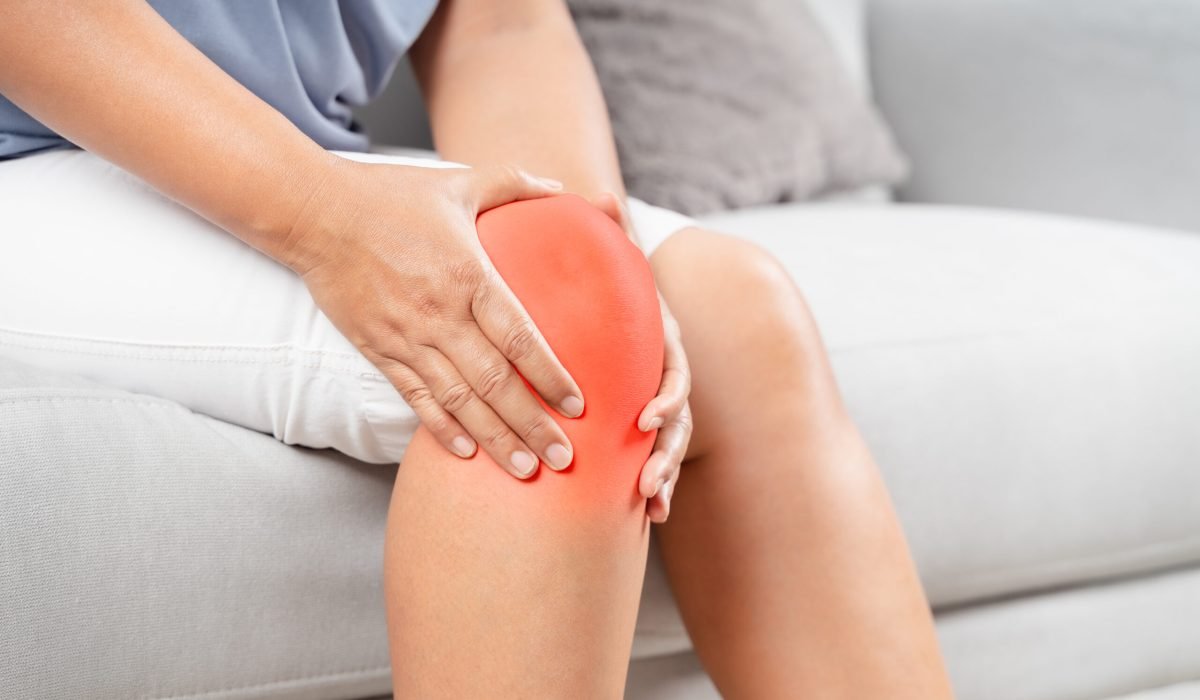
Swelling after knee replacement is one of the most predictable parts of recovery, yet it is often the detail that worries patients most. A new knee that looks puffy and feels tight in the days and weeks after knee replacement in Thailand or any other surgery does not automatically mean something has gone wrong. In most cases, swelling is simply the body’s normal healing response to a major operation on bone, cartilage and soft tissue. Still, certain patterns of swelling do point to a problem that needs prompt medical attention. This guide covers what causes swelling, how long it typically lasts, how to reduce it, and the specific warning signs that separate ordinary post-surgical swelling from something a doctor needs to see.
The Normal Swelling Timeline After Knee Replacement
Every patient heals at a slightly different pace, but swelling generally follows a predictable arc:
| Recovery stage | What to expect |
|---|---|
| Days 1 to 3 | Swelling peaks. The knee looks visibly larger and feels tight. |
| Week 1 to 2 | Swelling stays noticeable and may extend into the calf and ankle. |
| Weeks 3 to 6 | Gradual reduction. Worse after activity, better with rest and elevation. |
| Months 2 to 3 | Mild swelling by the end of the day. Improves quickly with elevation. |
| Months 3 to 6 | Mostly resolved for most patients. Some notice occasional puffiness. |
| Up to 12 months | Rare, mild swelling in a small number of patients after long days on the leg. |
For many patients, some element of swelling can linger for up to six months, and a small number notice mild puffiness for up to a year before it fully settles.
What Causes Swelling After Knee Replacement
Several things are happening in the leg at once, and most of them are simply part of healing:
- Inflammation: the surgeon works through skin, muscle, ligament and bone to remove the damaged joint surface and fit new implants. That level of surgical trauma triggers the body’s natural inflammatory response, moving extra fluid and repair cells into the area.
- Fluid and gravity: because of gravity, fluid doesn’t stay at the knee. It’s common for swelling to travel down into the calf, ankle and even the toes in the days after surgery, especially in a leg that has been resting rather than moving.
- A weaker calf muscle pump: the calf muscles normally help push blood and fluid back up the leg with every step. After surgery, that muscle is temporarily weaker and less active, so fluid drains less efficiently and tends to pool lower in the leg.
- Overdoing it: a longer walk, a busy physio session, or a day spent mostly on your feet can all cause a temporary flare in swelling by evening. This is different from swelling that keeps building day after day.
- Heat: hot weather, hot baths, or a heating pad placed directly on the knee can dilate blood vessels and make swelling worse, particularly in the first few weeks. Ice, not heat, is generally recommended early in recovery.
Swelling is usually most intense in the first 72 hours, tends to look worse later in the day, and typically increases for a short time after activity or physical therapy. This holds true whether surgery happens close to home or abroad, where recovery follows the same core principles of rest, elevation and monitored healing.
Normal Swelling vs. Warning Signs
Most swelling is a normal, expected part of healing. But because knee replacement carries a real, if small, risk of infection and blood clots, it helps to know which signs cross the line from uncomfortable to urgent.
Signs of a possible infection
- Redness that spreads or intensifies rather than gradually fading
- Warmth around the knee that increases rather than settles over time
- A fever, or discharge, pus or an unusual odour from the incision
- Pain that keeps getting worse instead of gradually improving
According to NHS guidance on knee replacement risks, a wound infection is usually treated with antibiotics, though an infection that spreads deeper into the joint can require further surgery.
Signs of a possible blood clot (DVT)
- Swelling that appears suddenly or is limited to one specific area of the calf
- Calf pain or tenderness, especially when flexing the foot upward
- Skin that looks discoloured, reddish, or feels unusually warm to the touch
- Shortness of breath or chest pain, which can signal the clot has reached the lungs
According to AAOS OrthoInfo, deep vein thrombosis can develop without any obvious symptoms at all, which is one reason surgeons focus heavily on prevention through movement, compression and, when appropriate, blood-thinning medication. The CDC notes that about half of all blood clots occur during or within three months of a hospital stay or surgery, which is why the risk doesn’t end the day you’re discharged.
If swelling comes with chest pain, shortness of breath, or a rapid heartbeat, treat it as a medical emergency and seek immediate care. Do not wait for a scheduled appointment.
How to Reduce Swelling
- Elevate the leg above heart level, propping the ankle rather than resting weight directly behind the knee.
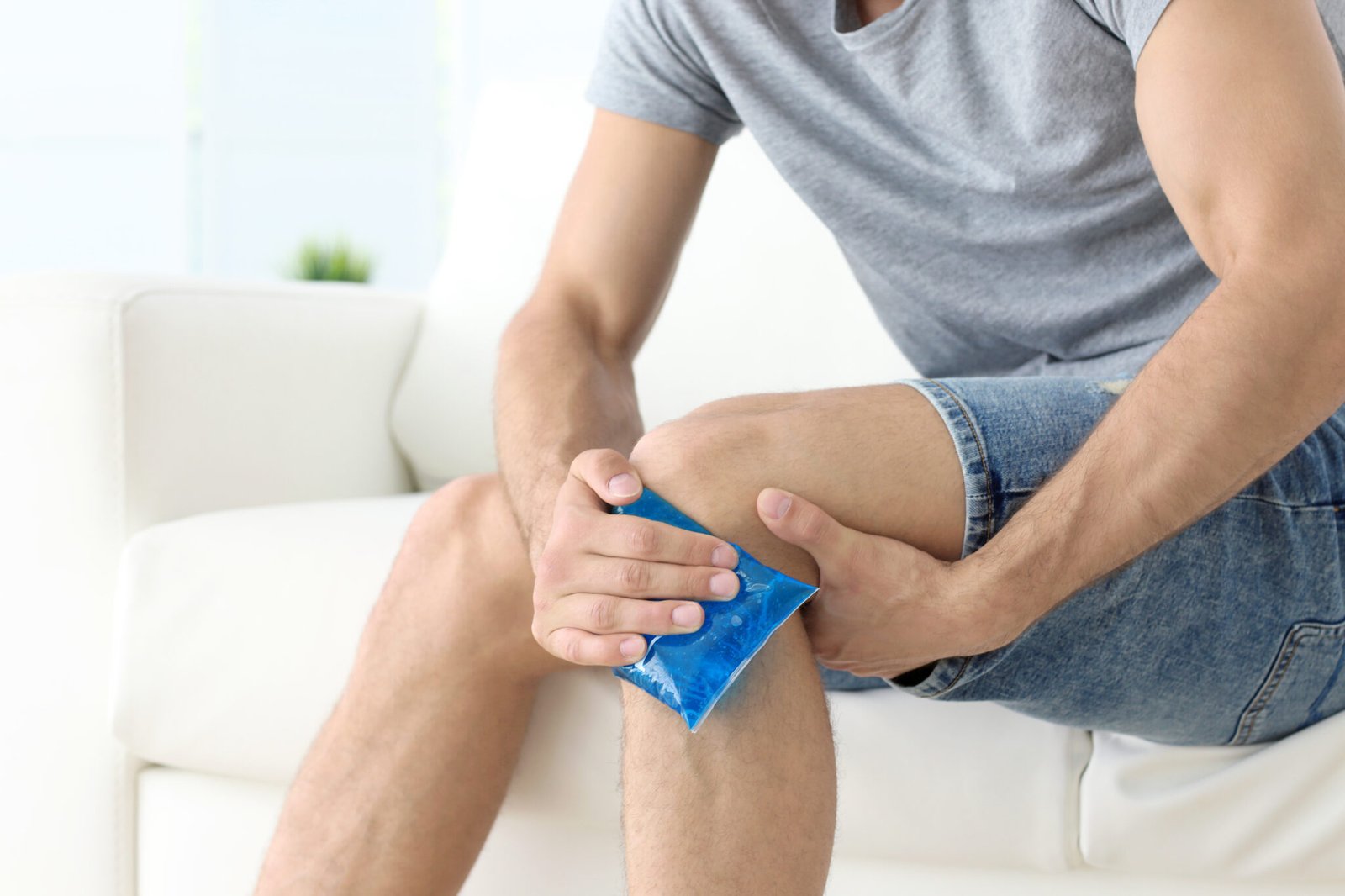
- Ice the knee for 15 to 20 minutes several times a day, especially after exercise or physical therapy.
- Wear compression stockings as prescribed to support circulation in the leg.
- Do gentle ankle pumps and calf exercises to help keep blood and fluid moving.
- Pace activity rather than pushing through it, gentle movement clears fluid, but overdoing it early is one of the most common recovery mistakes.
Our guide to pain after knee replacement covers pacing and overexertion in more detail, and our full week-by-week knee replacement recovery guide walks through what to expect at each stage.
Swelling, Heat and Long Flights After Surgery Abroad
For patients who travel abroad for surgery, managing swelling doesn’t stop once you’re cleared to fly home. Long-haul flights involve exactly the conditions that make swelling worse: hours of sitting still, low cabin humidity and reduced circulation. Most surgeons recommend waiting a minimum of two weeks before any flight, and longer for long-haul travel, with the exact timing based on individual healing rather than a fixed date. Our guide on how long after knee replacement you can fly covers this in more detail, including how it factors into planning a trip abroad for surgery.
Before any flight home, the same short checklist applies: confirm with your surgical team that swelling and wound healing are on track, wear compression stockings for the full flight, request an aisle seat so you can stand and stretch every one to two hours, continue any prescribed blood thinners exactly as directed, and stay hydrated while limiting alcohol or excess caffeine.
How Medidash Global Supports Your Knee Replacement Recovery
Every international patient’s situation is different, which is why structured aftercare matters as much as the surgery itself. Patients treated through Medidash Global are given a planned recovery period in Bangkok before travelling home, with physiotherapy, wound checks and a clear point of contact if swelling or any other symptom looks unusual. If you’d like a clearer picture of what recovery will look like for you specifically, get in touch with our patient care team to talk through your situation.
Frequently Asked Questions About Swelling After Knee Replacement
How long does swelling last after a total knee replacement?
Swelling is usually most noticeable in the first two to six weeks, with gradual improvement over the following months. Some patients experience mild swelling for up to six months, and occasionally longer.
Is it normal for swelling to spread into the ankle and foot?
Yes. Gravity pulls fluid down the leg, especially in the early weeks, so swelling reaching the calf, ankle or toes is common and not, by itself, a cause for concern.
Should I worry if swelling gets worse after activity or by the end of the day?
Not usually. Swelling that increases with activity and settles with rest, ice and elevation overnight follows a normal pattern. Swelling that keeps building and doesn’t improve with rest is worth mentioning to your care team.
What’s the best way to sleep with a swollen knee?
Keep the leg elevated with a pillow under the ankle or calf, not directly under the knee itself. Propping the knee can encourage it to stay bent, which limits fluid drainage and can stiffen the joint over time.
When should I call my doctor about swelling?
Call promptly if swelling comes on suddenly, is limited to one specific spot on the calf, or is accompanied by fever, spreading redness, discharge, chest pain or shortness of breath.
Does robotic-assisted knee replacement cause less swelling than standard surgery?
It can for some patients, since MAKO’s more precise bone cuts may mean less soft-tissue disruption, but individual healing still varies and the overall swelling timeline is broadly similar either way.