

If you have a total knee replacement scheduled, the weeks beforehand matter more than most patients realise. Preparing for knee replacement surgery is not just about paperwork and packing a hospital bag, it is also about strengthening the muscles that will support your new joint. Pre knee replacement exercises, often called prehabilitation or “prehab,” are one of the most practical steps you can take in the run-up to surgery. This guide walks through the exercises worth doing, when to start them, and the rest of the pre-surgery checklist international patients should have in place before travelling for treatment.
Why Pre Knee Replacement Exercises Matter
Prehabilitation is built on a simple idea: a knee that is stronger and more mobile going into surgery tends to have an easier time recovering afterwards. The evidence on this is still developing and results vary depending on how “recovery” is measured, but several systematic reviews of randomised trials have found that patients who complete a structured pre-surgery exercise programme show improved muscle strength and functional test scores in the weeks before their operation, and in some studies, a reduced likelihood of needing inpatient rehabilitation afterwards, particularly among patients considered at higher risk of a difficult recovery.
Exercise before surgery will not replace physiotherapy after surgery, and it will not guarantee a particular outcome. What it can do is give your muscles, especially the quadriceps, a head start, so the first few post-operative weeks are less of a shock to the system. Adherence matters more than intensity: trials that tracked how closely patients stuck to their pre-surgery programme found completion rates as high as 73 to 99 percent, which suggests most people can realistically manage a short daily routine in the weeks before their operation.
In Australia, the median public hospital wait for a total knee replacement was around 249 days in 2023 to 2024, according to AIHW elective surgery data, more than eight months many patients can use productively to prepare their body for surgery.
The Best Exercises to Prepare for Knee Replacement Surgery
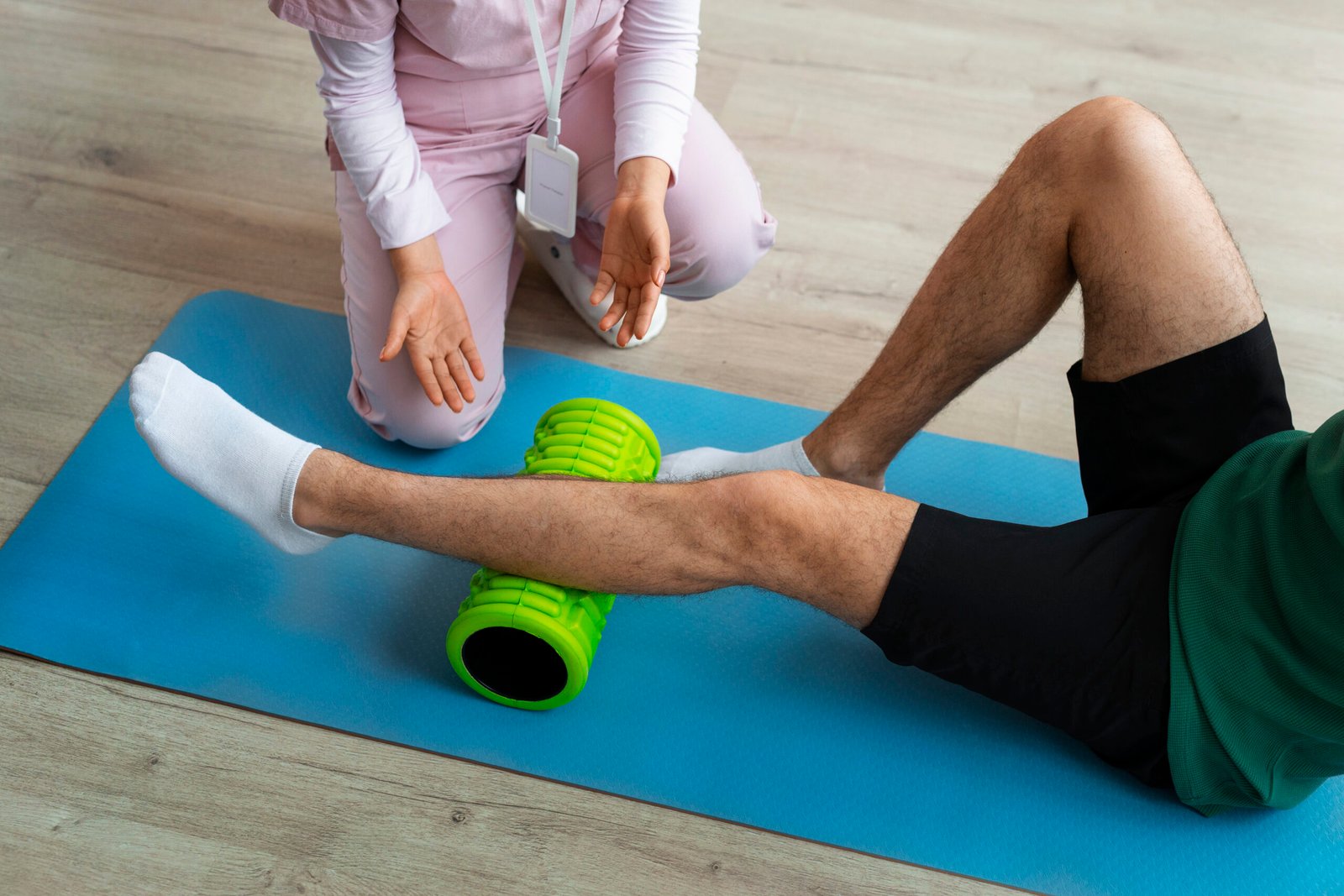
There is no single “correct” prehab routine, but most physiotherapists build a pre-surgery programme around the same handful of movements. These exercises before knee replacement surgery are low-impact, can usually be done at home, and focus on the quadriceps, hamstrings, and calf muscles that support the knee joint.
| Exercise | Target Area | How to Do It |
| Quad sets | Quadriceps (front of thigh) | Sit or lie with the leg straight, tighten the thigh muscle for 5 seconds, then relax. Repeat. |
| Straight leg raises | Quadriceps and hip flexors | Lying down with one knee bent, tighten the straight leg’s thigh muscle and lift it a few inches, hold, then lower slowly. |
| Heel slides | Knee range of motion | Sitting or lying down, slide the heel toward you to bend the knee, then straighten it out again. |
| Ankle pumps | Calf muscles and circulation | Point the toes up and down repeatedly to keep blood moving and reduce the risk of clots. |
| Seated knee extensions | Quadriceps through full range | Sit on a chair, slowly straighten the knee until the leg is parallel to the floor, hold, then lower. |
| Mini step-ups (if tolerated) | Overall leg strength and balance | Step up onto a low, stable step and back down, holding a rail or counter for balance. |
A general starting point is five to ten repetitions of each exercise, twice a day, gradually increasing as strength improves. Always confirm with your surgeon or physiotherapist which exercises before knee replacement surgery are appropriate for your specific knee condition before starting, particularly if your osteoarthritis is severe or you have limited mobility. For a fuller picture of what the procedure itself involves, our complete guide to knee and hip replacement covers the surgery, hospital stay, and recovery milestones in detail.
When to Start Exercises to Prepare for Knee Replacement Surgery
Timing matters almost as much as the exercises themselves. Most physiotherapy guidance follows a similar general timeline, adjusted to your surgery date and how your knee is currently coping.
- Six to four weeks before surgery: Begin with gentle daily sessions focused on range of motion (heel slides, ankle pumps) and light strengthening (quad sets), building consistency rather than intensity.
- Four to two weeks before surgery: Gradually increase repetitions and add straight leg raises or seated knee extensions if your surgeon or physiotherapist has approved them.
- Final two weeks: Focus on maintaining what you have built rather than pushing for new gains. Continue daily movement and general fitness like short walks, but avoid introducing new or strenuous activity.
- Final few days: Rest, follow your surgical team’s fasting and medication instructions, and stop any exercise your surgeon advises against in the immediate lead-up to your operation.
Building Your Complete Pre-Surgery Checklist
Exercise is one part of preparing for knee replacement surgery, but a handful of non-exercise items make just as much difference to how smoothly your surgery and recovery go. The American Academy of Orthopaedic Surgeons recommends treating this preparation as seriously as the surgery itself, covering the physical, practical, and logistical sides in the weeks beforehand.
- Confirm medical clearance and review your current medications with your surgical team, including anything that may need to be paused before surgery.
- Address smoking if it applies to you. It slows healing and increases the risk of complications, so quitting even a few weeks beforehand helps.
- Arrange help for the first one to two weeks after surgery, since most patients need support with everyday tasks during that period.
- Set up a recovery space with frequently used items within easy reach, whether that is at home or in accommodation booked for your recovery.
- Remove trip hazards such as loose rugs and trailing cords from the areas you will be walking through most.
- Sort out your travel documents, insurance, and any visa requirements well ahead of time if you are travelling abroad for treatment.
Preparing Your Home and Support Network
A few practical changes make the first days home noticeably easier. A firm chair with a higher-than-average seat, a raised toilet seat, and a shower chair or grab bar all reduce strain on a knee that is still healing. It is also worth lining up someone to check in daily for at least the first week, whether that is a family member, friend, or a formal caregiver, since most patients recover faster with support rather than trying to manage everything alone. The same principles apply broadly regardless of where you have surgery. Our guide on partial knee replacement recovery covers what those first few weeks typically look like in more detail.
Getting Medically and Financially Ready to Travel
If you are planning knee replacement surgery in Thailand alongside your travel, a few extra items belong on your checklist. Check that your passport has enough remaining validity, arrange travel insurance that covers your procedure and recovery period, and confirm your visa requirements before booking flights. Medical visas and extended stay permissions work differently to a standard tourist visa, so it is worth understanding how the visa process works for medical treatment in Thailand before you finalise your travel dates.
How Prehabilitation Fits Into Your Bangkok Surgery Timeline
For international patients, prehab exercises usually run in parallel with the coordination that happens before you travel: confirming your surgery date, arranging accommodation, and working out a schedule that allows time to recover before flying home. The Medidash Global team can help you build a pre-surgery exercise plan around your confirmed travel dates, so the weeks of preparation line up with the weeks you will spend in Bangkok for surgery and initial recovery.
If you are still deciding on timing, or want help understanding how a pre-surgery routine fits around your specific surgery date, get in touch with our patient care team and we can talk through what a realistic preparation timeline looks like for you.
What to Expect in the Days Immediately Before Surgery
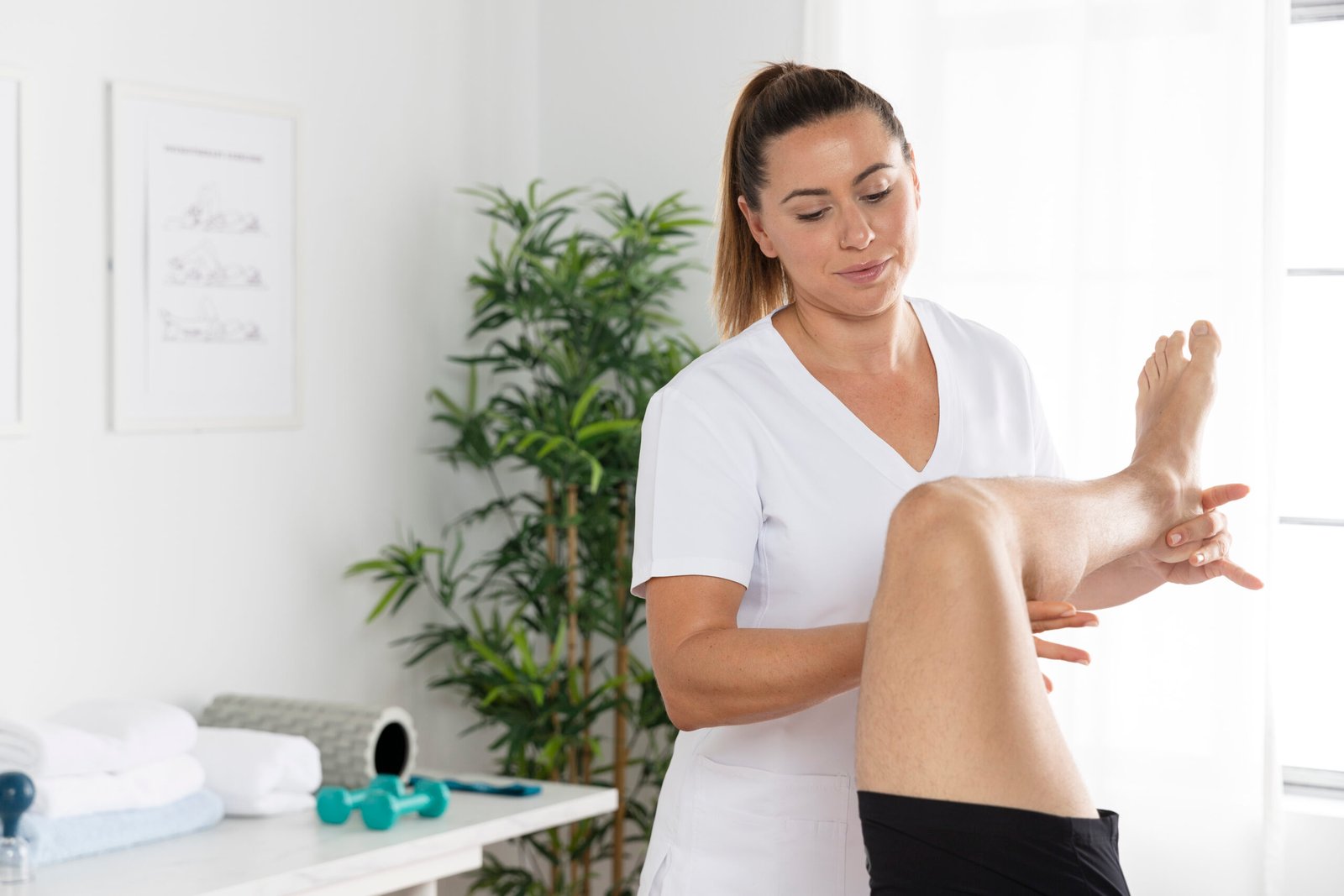
By the final few days, most of the heavy preparation is behind you. A short checklist for this stage typically includes:
- Following fasting instructions exactly as given by your surgical team.
- Washing with any antiseptic soap provided, if instructed.
- Wearing loose, comfortable clothing that is easy to remove.
- Arranging transport to and from the hospital.
- Bringing your list of current medications and your exercise sheet, if you have one.
- Confirming where you will stay immediately after discharge and how you will get there.
Preparing for knee replacement surgery, wherever you have it done, comes down to the same fundamentals: a stronger knee going in, a clear plan for the weeks after, and support you can rely on. If you are exploring knee replacement in Thailand and want a personalised pre-surgery exercise plan built around your travel dates, request a consultation with our team and we will help you put one together.
Frequently Asked Questions about Pre Knee Replacement Exercises
How many weeks before knee replacement should I start exercising?
Most physiotherapists recommend starting four to six weeks before surgery if possible, though even two weeks of consistent exercise is better than none. Confirm timing with your surgical team, especially if your knee pain is severe.
Can I still do pre-surgery exercises if my knee pain is severe?
In most cases, yes. Exercises are usually adapted to a gentle level, such as seated movements or ankle pumps, so the joint is not asked to bear more than it comfortably can. Speak with a physiotherapist about modifications if pain limits your movement.
What exercises should I avoid before knee replacement surgery?
High-impact activity such as running, jumping, or deep squatting is generally discouraged, as is anything that causes sharp pain rather than mild muscle fatigue. Your surgeon or physiotherapist can advise on specific restrictions based on your knee’s condition. Your surgeon or physiotherapist can advise on specific restrictions based on your knee’s condition. If you are a runner, see our guide on can you run after a knee replacement before planning your return to sport.
Do pre-surgery exercises guarantee a faster recovery?
No single step guarantees a particular outcome, and results vary between patients. The evidence points to pre-surgery exercise being a helpful, low-risk part of preparation rather than a guarantee, so it works best alongside the rest of your checklist, not instead of it.
Do I need a physiotherapist to do pre-surgery exercises?
A formal assessment is not always required, but it is recommended, particularly if you have limited mobility, other joint problems, or are unsure which exercises are appropriate for your knee.