
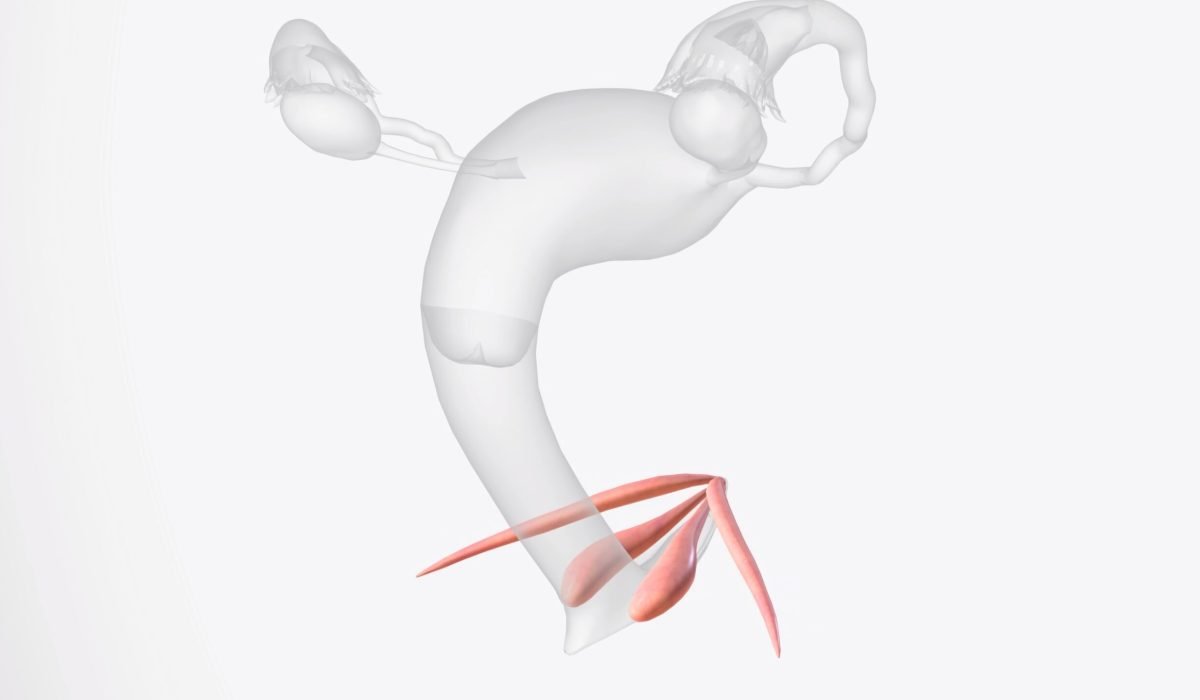
If you are researching gender-affirming surgery for the first time, the terminology can feel overwhelming quickly. Terms like vaginoplasty, phalloplasty, penile inversion, and metoidioplasty enter the conversation without much explanation, and it is not always clear what they involve or who they apply to.
This guide is written for anyone beginning to explore the idea of bottom surgery, whether for yourself or someone close to you. We will explain what the term means, how the options differ depending on a person’s goals, what each procedure involves at a high level, and how to start thinking about next steps, including accessing surgery in Bangkok, Thailand, through a coordinated international patient pathway.
What Does “Bottom Surgery” Actually Mean?
“Bottom surgery” is an informal but widely used term for gender-affirming surgical procedures affecting the genitals and lower body. Medically, these procedures are referred to as genital gender-affirming surgery, sex reassignment surgery (SRS), or gender confirmation surgery (GCS). The informal phrase exists because it is plain, accessible, and widely used within trans communities.
The term covers a broad range of procedures. For a trans woman, bottom surgery typically means vaginoplasty, the surgical construction of a vagina and vulva. For a trans man, it might mean phalloplasty, which builds a penis from tissue grafts, or metoidioplasty, which works with existing tissue enlarged by hormone therapy. For non-binary individuals, the options can be adapted to goals that do not follow a strictly binary template.
One important framing point: not every transgender person wants or needs bottom surgery. It is a deeply personal decision, shaped by each person’s experience of gender dysphoria, health circumstances, access, and their relationship with their own body. There is no single right path, and this guide is simply here to explain what is available, clearly and without pressure.
Bottom Surgery for Trans Women

For trans women and transfeminine individuals, the procedures most commonly sought are grouped in the table below, followed by explanations of the key options.
| Trans Women (Transfeminine) | Trans Men (Transmasculine) |
|---|---|
| Vaginoplasty (penile inversion) | Phalloplasty |
| Vaginoplasty (sigmoid colon / scrotal skin graft) | Metoidioplasty |
| Vulvoplasty (without vaginal canal) | Vaginectomy |
| Orchiectomy | Hysterectomy |
| Labiaplasty / Clitoroplasty | Urethral lengthening |
Vaginoplasty is the most widely chosen procedure. It involves constructing female genitalia including a vaginal canal, labia majora and minora, clitoral structure, and urethral opening. The goal is an outcome that is both anatomically aligned with the patient’s identity and functionally capable of sensation and sexual function through careful management of nerves and tissue.
There are several surgical techniques, and the right one depends on individual anatomy, surgical history, and patient goals:
- Penile inversion vaginoplasty is the most established approach. Skin from the penis and scrotum is used to line the vaginal canal. It requires sufficient penile skin tissue and ongoing dilation after surgery to maintain depth. Our guide to penile inversion vaginoplasty covers the technique step by step.
- Sigmoid colon vaginoplasty uses a section of the sigmoid colon to create the vaginal canal. This is often preferred when penile skin tissue is insufficient or where prior surgeries have affected available material. It produces natural lubrication without the need for ongoing dilation.
- Vulvoplasty constructs external feminine genitalia, including labia and clitoral structure, without a vaginal canal. It is chosen by patients who prefer to avoid the dilation routine required after full vaginoplasty, or who do not wish to have penetrative vaginal intercourse.
Orchiectomy, the surgical removal of the testicles, can be a standalone step or an early stage before vaginoplasty. It eliminates the testes as the primary source of testosterone production, which can reduce or remove the need for testosterone-blocking medication.
Medidash coordinates the full international patient journey for sex reassignment surgery in Thailand, from the first consultation through to post-operative follow-up, working with experienced surgeons at JCI-accredited partner hospitals in Bangkok.
Bottom Surgery for Trans Men

For trans men and transmasculine individuals, the surgical landscape is more varied, and procedures are typically staged across multiple operations over time.
Phalloplasty is the surgical construction of a penis using skin and tissue taken from another site, most commonly the forearm, thigh, or back. It is a complex, multi-stage process that can include urethral lengthening (allowing the patient to urinate standing), the placement of a penile prosthetic, and scrotal construction with testicular implants. The full process typically unfolds across several separate procedures.
Metoidioplasty takes a different approach, working with genital tissue that has been enlarged through testosterone therapy. The clitoris is freed and repositioned to create a phallus. It involves fewer stages than phalloplasty, carries a shorter recovery, and preserves existing sensation, though the resulting size is smaller than phalloplasty outcomes.
Other procedures commonly included in transmasculine surgical journeys are:
- Hysterectomy: surgical removal of the uterus, often performed before or alongside genital surgery
- Vaginectomy: closure of the vaginal canal, sometimes performed in combination with phalloplasty or metoidioplasty
- Urethral lengthening (urethroplasty): extends the urethra through the newly constructed phallus to enable standing urination
Most trans men work with their surgical team to plan and sequence these procedures in stages, based on individual health profile, goals, and recovery timelines.
Who Is Eligible for Bottom Surgery?
Bottom surgery is available to adults who have been assessed as clinically and psychologically ready for the procedure. The internationally recognised clinical framework for this assessment is the WPATH Standards of Care, published by the World Professional Association for Transgender Health. The most recent version, SOC Version 8, was released in September 2022 and introduced meaningful updates to how patient readiness is evaluated.
Under current WPATH guidelines, eligibility for genital surgery generally involves:
- A sustained, well-documented experience of gender incongruence
- Full capacity to give informed and voluntary consent to surgery
- Adequate management of any significant medical or mental health conditions
- Age of majority in the country where the surgery takes place
- For some procedures, a period of hormone therapy is appropriate to the patient’s goals, unless medically contraindicated
The 2022 update removed the previous requirement for a mandatory 12-month “real-life experience” period before surgery, replacing it with a more individualised approach that centres on informed consent and collaborative clinical decision-making.
In practice, most surgical providers, whether in your home country or internationally, will require a surgical readiness letter from a qualified mental health professional before scheduling genital surgery. Preparing this documentation early makes the overall process considerably smoother.
The Access Challenge: Why Many Patients Look Abroad

For many trans people globally, the most immediate barrier is not understanding the procedures but gaining access to them. Waitlists for specialist gender-affirming care are severe in several countries.
In the UK, the Northern Region Gender Dysphoria Service reported in April 2026 that patients who had attended their initial assessment waited an average of 82 months, nearly seven years, for that appointment. Surgical referrals then involve further waiting on top of that. In Ireland, the only public trans healthcare facility carries waitlists of two to three years for a first consultation, and genital surgery is not covered by insurance, leaving patients to fund and arrange it entirely themselves.
The picture is similarly uneven internationally. A 2024 study published in EClinicalMedicine found that long waits for gender-affirming care in the Netherlands were associated with significant psychosocial distress, poorer health outcomes, and widening inequality among transgender individuals. In the United States, access depends heavily on state legislation and insurance plan criteria; a study in JAMA Surgery found that nearly half of US trans patients who had genital surgery had to travel to another state to access it, incurring costs their insurance did not cover.
For patients facing these barriers, travelling to Bangkok for bottom surgery has become a carefully considered, practical option backed by decades of accumulated surgical expertise.
Why Do Patients Travel to Bangkok for Bottom Surgery?
Bangkok has been a recognised destination for gender-affirming surgery for several decades. The city is home to surgeons who have performed hundreds, in some cases more than a thousand, procedures across careers spanning twenty or more years. A significant number trained at Chulalongkorn University, which was among the first institutions in the world to systematically develop and teach SRS surgical technique, establishing a lineage of technical expertise that has continued to evolve.
Several Bangkok hospitals hold JCI (Joint Commission International) accreditation, the same rigorous international standard applied to leading hospitals in the United States and Europe. JCI accreditation requires hospitals to meet exacting standards across clinical care, patient safety, infection control, medication management, and staff credentialing. It is not a marketing badge; it is a substantive audit.
Beyond clinical credentials, Thailand’s healthcare culture brings something that matters considerably to many patients: genuine, long-standing experience caring for transgender people in a respectful and affirming environment. Thailand has a visible, legally recognised transgender community, and its medical professionals are well-practised in gender-affirming care. In 2024, Thailand became the first country in Southeast Asia to legalise same-sex marriage, reflecting a broader cultural direction toward LGBTQ+ inclusion.
For patients navigating long waitlists, limited insurance coverage, or geographic barriers at home, Bangkok can offer access to experienced surgeons within weeks rather than years, in accredited facilities, with comprehensive aftercare, and at a significantly lower out-of-pocket cost than equivalent private surgery in the UK, Australia, the United States, or much of Europe.
Our complete guide to SRS surgery in Thailand covers what to expect from the full process in detail, from pre-operative preparation through to the recovery timeline.
How Medidash Supports the Journey of Bottom Surgery

Planning surgery abroad involves considerably more than booking a flight. Coordinating pre-operative consultations, preparing the right medical documentation, arranging visas, accommodation, and transfers, and managing the emotional weight of a significant life decision is a substantial undertaking.
Medidash Global is a Bangkok-based medical tourism facilitator. We connect international patients with JCI-accredited hospital partners and experienced surgeons for gender-affirming procedures, and we manage the logistics that make a complex international medical journey workable. Our services include:
- Connecting you with the right surgeon for your specific procedure and goals
- Pre-operative consultation, coordination, and medical record review
- Visa arrangement and documentation support
- Airport transfers and in-Bangkok support throughout your stay
- Post-operative care coordination and follow-up planning
Every patient’s journey is different. If you are thinking seriously about bottom surgery and want to understand your options in Thailand without pressure, reach out to the Medidash team, and we will talk through your situation in detail.
Common Questions About Bottom Surgery
Is bottom surgery safe?
Yes, when performed by experienced, board-certified surgeons in accredited facilities. Like any major surgical procedure, it carries risks, and those risks are best managed through careful patient selection, experienced surgical teams, and appropriate post-operative care. Bangkok’s leading SRS surgeons operate within JCI-accredited hospital environments that apply the same clinical safety standards as equivalent institutions in Western countries.
How long does recovery take after vaginoplasty?
Most patients spend seven to ten days in the hospital after vaginoplasty, with a total in-country stay of around three to four weeks before flying home. Post-operative dilation, which maintains vaginal depth and shape, begins in the hospital and continues at home. Our vaginoplasty recovery guide covers the full timeline week by week. Recovery after phalloplasty is generally longer, as the procedure is staged across multiple operations.
Do I need hormone therapy before surgery?
For many genital procedures, a period of hormone therapy is recommended. The current WPATH SOC v8 guidelines do not make it a universal mandatory requirement, but whether it applies in your case, and for how long, depends on the specific procedure, your health history, and your surgical team’s assessment. Your care team will discuss this in full during the pre-operative consultation.