

For trans women navigating the path to surgery, SRS in Thailand represents something concrete and achievable at a time when waiting at home can feel impossible. In England, patients receiving their first appointment at an NHS gender identity clinic in late 2023 had waited an average of seven years for that appointment, according to BBC Newsnight reporting on NHS data. With waiting lists projected to worsen further, many trans women are choosing to move forward on their own terms.
Thailand has led the world in gender reassignment surgery for nearly five decades and remains the most-travelled destination globally for SRS. This guide covers everything international patients need to know — from procedure types and Phyathai 2 Hospital’s specialist team to pre-surgery requirements, costs, recovery, and travel logistics.
If you’re ready to explore your options, you can find full details on Medidash’s sex reassignment surgery programme or read on for the complete picture.
What Is SRS Surgery?
Sex reassignment surgery (SRS) is the collective term for the surgical procedures that help transgender people align their physical anatomy with their gender identity. The term is used interchangeably with gender confirmation surgery (GCS) and gender affirmation surgery — all refer to the same core procedures.
For trans women, the primary procedure is vaginoplasty: the surgical construction of a vagina and external female genitalia, including the labia, clitoris, and urethra. Additional feminising procedures, such as breast augmentation, tracheal shave, or facial feminisation surgery (FFS) — may be completed during the same visit or scheduled separately, depending on each patient’s priorities.
For trans men, SRS typically begins with mastectomy (top surgery), and may progress to metoidioplasty or phalloplasty at a later stage. Phyathai 2 Hospital in Bangkok offers both MTF and FTM gender affirmation pathways through the Medidash partnership.
This guide focuses primarily on MTF procedures, as these represent the largest group of international patients travelling to Bangkok for SRS surgery.
Why Thailand Leads the World in SRS Surgery
Thailand’s pre-eminence in SRS surgery is rooted in history and sustained by infrastructure that other countries have not replicated. In 1975, Dr. Preecha Tiewtranon performed the first gender reassignment surgery in Thailand. By 1983, Chulalongkorn University had established the country’s first formal SRS training programme, creating a structured pipeline for specialist surgical education that has shaped the field globally.
The result, nearly five decades on, is a clinical ecosystem unlike anywhere else in the world. The following factors explain why international patients continue to choose Thailand over other destinations:
- Surgeon specialisation: Thai surgeons performing vaginoplasty have typically completed hundreds to over a thousand procedures. In a surgical field where volume and technique are directly linked to outcome quality, this level of focused experience matters considerably.
- International accreditation: As of December 2025, Thailand holds 65 JCI-accredited medical facilities — placing it fourth globally in JCI-credentialed hospital count, after Saudi Arabia, China, and the UAE. JCI applies identical standards to those used to evaluate hospitals in North America and Western Europe.
- Cultural openness: Thailand has a centuries-long tradition of accepting gender diversity. In 2024, it became the first country in Southeast Asia to legalise same-sex unions, cementing an environment where trans patients are treated with respect and cultural fluency rather than navigating institutional resistance.
- Streamlined access: Responsible Thai hospitals follow WPATH (World Professional Association for Transgender Health) guidelines rigorously. However, the administrative pathway from consultation to surgery is far more direct than the NHS route. Patients who arrive with the correct documentation can typically move through assessment to surgery within weeks, not years.
- Recovery environment: Recovering in Bangkok gives patients access to modern private hospitals, affordable accommodation, and a warm climate. Many patients describe the combination as actively restorative.
For a broader introduction to healthcare and logistics in Bangkok, see our complete guide to medical tourism in Thailand.
SRS Techniques Available in Thailand
Several vaginoplasty techniques are available in Bangkok. The right approach for each patient depends on anatomy, any prior procedures, and personal goals. Your surgical team will discuss the most suitable technique during the pre-operative consultation.
| Technique | How It Works | Key Considerations |
|---|---|---|
| Penile Inversion Vaginoplasty | Penile skin is inverted to line the vaginal canal | Standard first-time approach; suitable for most patients |
| Scrotal Skin Graft | Scrotal skin supplements vaginal depth | Used when penile tissue alone is insufficient |
| Sigmoid Colon Vaginoplasty | A sigmoid colon segment lines the vaginal canal | Natural lubrication; suitable for revisions or limited tissue |
| Penile-Peritoneal Vaginoplasty (PPV) | Peritoneal (abdominal lining) tissue forms the canal | Self-lubricating; growing in use for functional outcomes |
| Zero-Depth Vaginoplasty | External female anatomy created without an internal vaginal canal | For patients who do not require penetrative depth |
Note: Procedures typically last between 2.5 and 6 hours under general anaesthetic, depending on the technique. Exact timing is determined by your surgeon during pre-operative assessment.
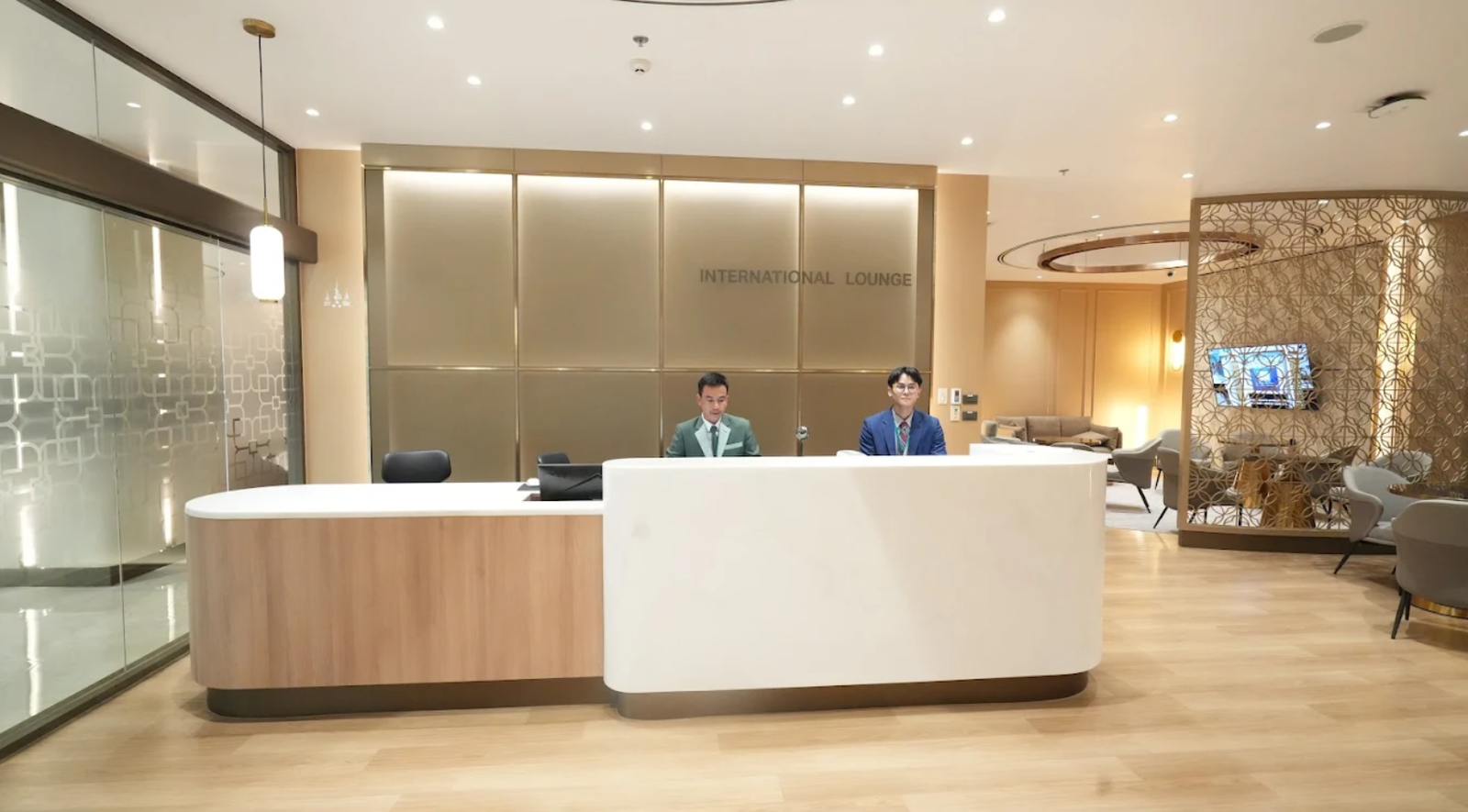
Phyathai 2 Hospital: Medidash’s Partner in Bangkok
Medidash works as an official partner of Phyathai 2 Hospital, one of Bangkok’s most established private hospitals. Founded in 1987 and JCI-accredited since 2014, Phyathai 2 serves more than 700,000 patients annually across 27 specialist medical centres, with a 550-bed facility equipped with state-of-the-art surgical technology.
The hospital’s gender affirmation programme is delivered by a fully integrated multidisciplinary team:
- Specialist psychiatrist: Conducts the pre-surgery mental health evaluation, provides ongoing support through the transition process, and continues to offer guidance after surgery to support emotional adjustment.
- Endocrinologist: Reviews and manages hormone replacement therapy before and after surgery, and ensures the patient is medically ready for the procedure.
- Specialist plastic surgeon: Trained in gender-affirming procedures including vaginoplasty and feminising surgeries, using techniques tailored to each patient’s anatomy and goals.
Phyathai 2 is among the best hospitals in Thailand for international medical tourists, and its formal partnership with Medidash means patients are not simply referred and left to navigate independently. A Bangkok-based coordinator manages communication with the hospital team throughout the process, from initial consultation through to discharge and follow-up.
How Medidash Works: Your Full-Care Facilitation Package
Medidash is a medical tourism facilitator, which means the job is to make the clinical and logistical complexity of travelling to Bangkok for surgery manageable, while keeping you directly connected to your surgical team. You can read more about the company and the team behind it on the about Medidash page.
Here is what the Medidash process looks like from first enquiry to aftercare:
- Initial enquiry: Contact the team and share basic information about the procedure you are considering, your health background, and what stage of your transition you are at.
- Consultation planning: Medidash coordinates your pre-operative consultation with the Phyathai 2 surgical team. This can take place remotely before you travel, covering medical history, eligibility, technique options, and documentation requirements.
- Documentation guidance: The coordinator will review the supporting documents required before surgery — including psychological assessment letters and hormone therapy records — and flag anything missing ahead of travel rather than on arrival.
- Travel and accommodation: The Medidash team provides guidance on visa arrangements and accommodation options close to Phyathai 2. Bangkok is well-served by Suvarnabhumi International Airport, with direct and one-stop flights from London, Manchester, and other UK hubs.
- On-the-ground support: A Bangkok-based coordinator is available throughout your stay for logistics, questions, and day-to-day liaison with the hospital team. This is a practical point that patients consistently describe as reassuring.
- Post-operative follow-up: After returning home, the Medidash team remains available for guidance on aftercare and can assist with connecting you to UK clinicians where needed.
If you are ready to begin, you can get a personalised estimate from Medidash at any stage of your planning process.
Costs: Thailand vs. UK Private
For many trans women in the UK, self-funding surgery is the only realistic path forward in any reasonable timeframe. The NHS does fund gender surgery under certain conditions, but access is subject to the same waiting times that have made the pathway so difficult.
NHS Gender Surgery Waiting Times (2026)
In England, patients receiving first appointments at NHS gender identity clinics in late 2023 had waited an average of seven years for that appointment alone — before any treatment planning or surgery. The Levy Review, commissioned by NHS England, projected those waits could reach 15 years without structural reform. Source: BBC Newsnight / NHS England data.
Private gender reassignment surgery in the UK currently costs between £10,000 and £30,000 for MTF procedures such as vaginoplasty, with FTM procedures including phalloplasty running considerably higher due to their complexity. These UK figures typically cover surgery alone, with additional costs for consultations, aftercare, and accommodation on top.
| UK Private | Bangkok (Medidash / Phyathai 2) | |
|---|---|---|
| MTF Vaginoplasty | £10,000–£30,000 (surgery only) | Competitive full-care package pricing (contact Medidash for exact quote) |
| Hospital stay included? | Not always — often billed separately | Yes — included in package |
| Post-op nursing included? | Variable — often additional cost | Yes — included in package |
| Airport transfers included? | No | Yes — included in package |
| Waiting time to surgery | Months to years (private); up to 15 years (NHS) | Typically, 2–6 weeks from confirmed consultation |
Note on pricing: Exact costs depend on the vaginoplasty technique, individual clinical needs, and the length of hospital stay. Medidash provides a personalised quote based on your specific situation. Contact the team for accurate, current figures.

Pre-Surgery Requirements and Eligibility
Phyathai 2 Hospital follows WPATH (World Professional Association for Transgender Health) guidelines for surgical eligibility. These internationally recognised standards are designed to ensure patients are well-prepared for a major, permanent procedure. Meeting these requirements before you travel is essential — and the Medidash team will review your documentation ahead of your appointment so nothing is outstanding on arrival.
Standard requirements for MTF vaginoplasty include:
- A formal diagnosis of gender dysphoria by a licensed psychiatrist
- At least one referral letter from a mental health professional (most surgeons request two letters for genital surgery)
- Evidence of at least 12 months of continuous hormone replacement therapy (HRT)
- At least 12 months of living in the affirmed gender role
- A comprehensive physical health assessment confirming surgical fitness
- Minimum age of 18 (patients under 20 may require parental consent)
HRT and surgery timing: Patients on oral oestrogen tablets should typically stop two weeks before surgery; injectable oestrogen four weeks before, to reduce deep-vein thrombosis risk. Your surgical team will provide specific instructions during pre-operative consultation.
Psychological assessment: Phyathai 2 has its own specialist psychiatrist who conducts an independent evaluation before surgery is scheduled — even where home-country mental health letters have already been provided. This is standard practice at responsible Thai hospitals and is an additional layer of clinical care rather than a barrier.
Recovery: What to Expect After SRS in Thailand
Recovery from vaginoplasty requires patience, close attention to post-operative instructions, and a realistic timeline. Here is a structured overview of what to expect.

In Hospital
Following surgery, patients typically spend 4 to 6 days in the hospital under nursing supervision. The exact duration depends on the technique used and the individual rate of recovery. Phyathai 2 provides 24-hour nursing care throughout the hospital stay.
During Your Stay in Bangkok
Most patients are advised to remain in Bangkok for 3 to 4 weeks in total. This window covers follow-up appointments, suture removal (usually at day 7 to 10), daily wound care, and initial dilation guidance. The Medidash coordinator can assist with hotel recommendations close to the hospital throughout this period.
Vaginal Dilation
For patients who have undergone a standard full-depth vaginoplasty, dilation is a lifelong practice. During the early recovery period, this involves several daily sessions using a vaginal dilator to maintain depth and prevent stenosis. Your surgical team will provide a full dilation protocol and demonstrate the process before discharge.
Recovery Timeline at a Glance
The following milestones are general indicators. Your surgical team will give personalised guidance based on your technique and recovery progress.
| Timeframe | What to Expect |
|---|---|
| Days 4–6 | Discharge from hospital; transfer to nearby accommodation |
| Days 7–10 | Suture and catheter removal; dilation begins under clinical guidance |
| Weeks 3–4 | Most patients cleared to fly home; continued dilation essential |
| Months 1–3 | Return to desk work and light daily activity; strenuous exercise avoided |
| Months 4–5+ | Cleared for penetrative sexual activity (varies by technique and healing) |
Travel Logistics: Flying to Bangkok for Surgery
Bangkok is one of the most accessible cities in Asia for international travel. Suvarnabhumi International Airport (BKK) receives direct and one-stop flights from London Heathrow, Manchester, Birmingham, and other UK hubs. Typical flight times from the UK run between 11 and 13 hours, depending on routing.
Visa
Most UK passport holders can enter Thailand visa-free for stays of up to 30 days. Patients planning to stay longer should apply for a non-immigrant medical visa, which allows extended stays for medical treatment purposes. Medidash’s guide to medical visas in Thailand covers the application process in detail.
When to Fly Home
Long-haul flights carry an elevated risk of deep-vein thrombosis (DVT) post-surgery. Most surgeons advise patients not to fly until at least three weeks after vaginoplasty. When the return journey is eventually taken, compression stockings and regular movement during the flight are strongly recommended. Plan your flights conservatively — a longer stay is far preferable to flying too early.
What to Prepare Before Travelling
- All required medical documents (psychiatric letters, HRT records, GP summary)
- Medications for the journey and recovery period, with a translated prescription list
- Loose, comfortable clothing for the flight and first weeks of recovery
- Travel insurance covering medical treatment abroad — confirm that your policy covers complications from elective procedures
- Emergency contact details and the Medidash Bangkok coordinator’s number

Let’s Start Your SRS Pathway Today
Thailand offers something that few other healthcare systems can currently match: access to world-class SRS surgery in a matter of weeks rather than years. For trans women who have reached the point of certainty about surgery but face an impossible wait at home, Bangkok provides a realistic, safe, and well-supported alternative.
Medidash’s partnership with Phyathai 2 Hospital gives international patients access to a JCI-accredited facility with an experienced multidisciplinary team, combined with end-to-end facilitation from the first enquiry through to follow-up care after returning home. Whether you are at the early stages of planning or ready to confirm a date, the first step is a conversation.
Get in touch with the Medidash team today to receive a personalised guide to the process and a no-obligation cost estimate for your specific procedure.