
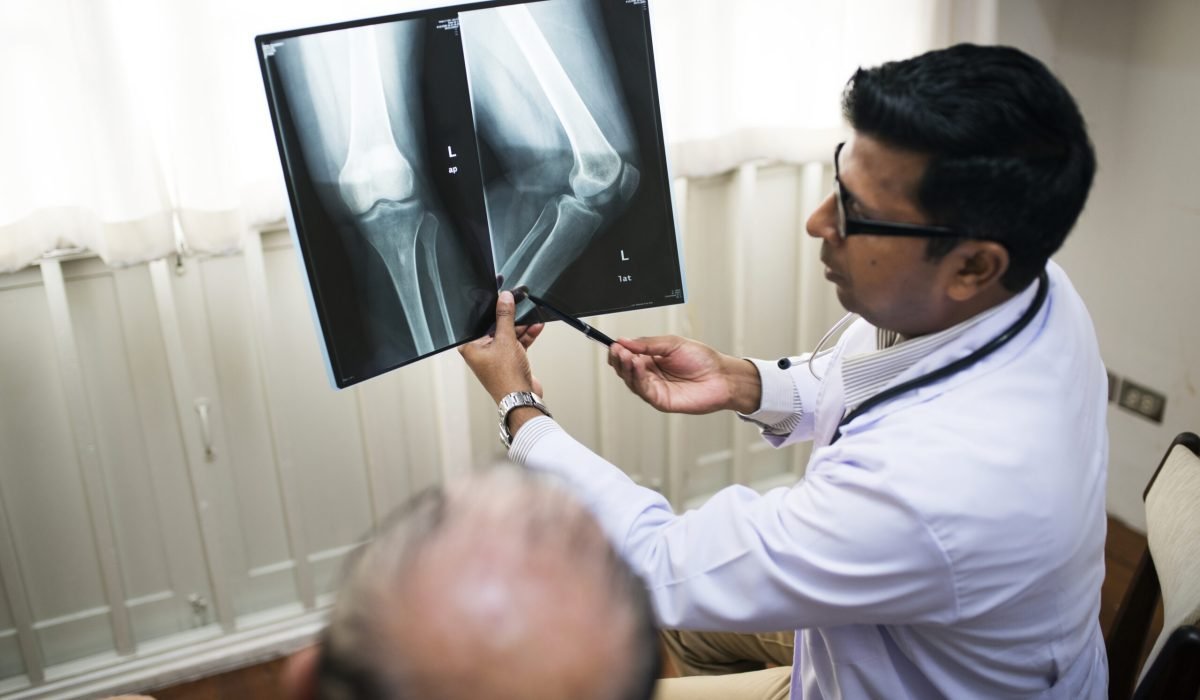
Most knee replacements last well for fifteen to twenty years or longer. But a small number fail earlier: through infection, loosening, or injury and need a second operation known as knee revision surgery. If your knee no longer feels stable, or pain has returned after years of trouble-free movement, it helps to understand what revision surgery actually involves, how surgeons decide between a one-stage or two-stage approach, and what recovery and cost realistically look like.
At Medidash Global, we coordinate revision cases through the same surgical teams and JCI-accredited hospitals behind our knee replacement in Thailand programme, giving international patients considering a second knee operation a transparent, well-supported route to specialist revision care.
What Is Revision Knee Replacement?
Revision knee replacement is a procedure that removes some or all of the components of a previously implanted knee prosthesis and replaces them with new ones. According to the American Academy of Orthopaedic Surgeons, total knee replacement is one of the most successful procedures in medicine, but over time an implant can fail for a number of reasons, and when that happens a doctor may recommend revision.
Revision surgery is not the same operation as your first knee replacement. Depending on the cause, a surgeon may only need to replace one component, or may need to remove all three parts of the implant: femoral, tibial, and patellar and rebuild the surrounding bone with metal augments or bone graft. Because the surgeon is often working around scar tissue, bone loss, and a previous implant, revision cases typically require specialised, longer-stemmed implants and take considerably more surgical planning than a primary replacement.
Why Knee Replacements Fail
Data from the National Joint Registry, which tracks joint replacement outcomes across England, Wales, Northern Ireland and the Isle of Man shows that roughly 20% of first revisions are revised again within 13 years, with younger and male patients at somewhat higher risk. Registry data also shows infection has become a more common reason for revision over time, while aseptic loosening (the implant slowly working loose from the bone) remains the single most frequent cause reported by the Australian Orthopaedic Association National Joint Replacement Registry.
It’s worth putting this in context: most knee replacements do not fail. Understanding how long a knee replacement typically lasts is a useful starting point, revision is the exception rather than the rule, and the table below shows the most common reasons it becomes necessary.
| Cause | Typical Timing | Common Signs |
|---|---|---|
| Aseptic loosening | Often 10–15+ years after surgery | Gradual ache, a feeling of looseness or reduced stability when walking |
| Infection | Can occur within weeks, or years later via the bloodstream | Warmth, swelling, fever, wound drainage, or a sudden increase in pain |
| Instability | Months to years post-op | Knee “giving way”, or a sense the joint isn’t fully supporting weight |
| Polyethylene wear | Typically 15–20 years | Gradual rise in pain, clicking, or mild swelling |
| Periprosthetic fracture | Any time, usually after a fall | Sudden pain, inability to bear weight, visible deformity |
| Stiffness | Weeks to months after the original surgery | Limited bending, difficulty with stairs or sitting |
Signs Your Knee Replacement May Be Failing
A failed implant usually announces itself gradually rather than suddenly. The most common symptoms, drawn from orthopaedic literature on revision surgery, include:
- Pain that returns or worsens after a period of feeling well
- Swelling or warmth around the knee that doesn’t settle, see our guide to swelling after knee replacement for what’s normal after surgery and what isn’t
- A feeling of instability, or the knee “giving way” during walking or stairs
- Reduced range of motion, or new stiffness that limits bending
- Clicking, grinding, or a change in how the joint feels compared with before
- Fever, chills, or drainage from the wound, which can signal infection and needs urgent medical review
Not every ache after a knee replacement means revision is needed. Weakness, minor swelling, or discomfort after activity are often resolved with physiotherapy. But persistent or worsening symptoms — particularly instability, sudden pain, or signs of infection — should always be assessed by an orthopaedic surgeon rather than managed at home.
One-Stage vs Two-Stage Revision (Infection)
How a revision is staged depends heavily on why the original implant failed. For mechanical problems — loosening, instability, wear, or a fracture — surgeons can usually perform a one-stage revision: removing the failed components and implanting the new prosthesis in a single operation.
When the cause is infection, most surgical teams follow a more cautious, two-stage protocol to make sure the infection is fully cleared before a new implant goes in:
- First operation: the infected implant and surrounding infected tissue are removed, and an antibiotic-loaded cement spacer is placed to hold the joint space and deliver antibiotics directly to the area.
- Antibiotic course: the patient typically spends several weeks on targeted intravenous or oral antibiotics while blood markers of infection are monitored.
- Second operation: once infection markers have normalised, the spacer is removed and the definitive revision implant is inserted.
Two-stage revision is longer and more demanding for the patient, but it remains the standard approach for most infected knee replacements because it gives the best chance of clearing the infection before a new implant is exposed to it.
Surgery Length and Hospital Stay for Knee Replacement
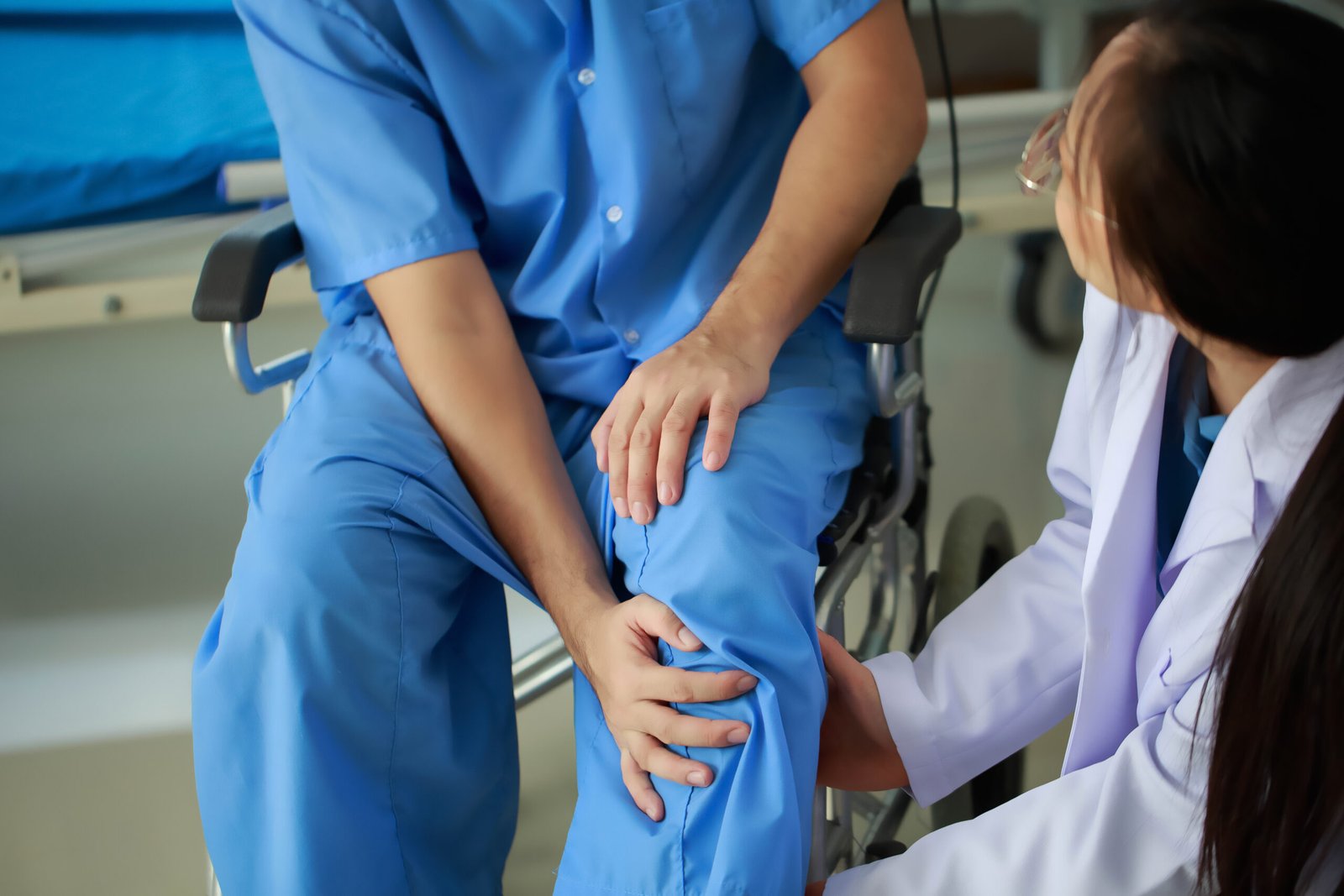
A primary knee replacement typically takes around one to one and a half hours. Revision surgery is a different scale of procedure: operating times of two to four hours are common, depending on how much bone reconstruction, component removal, or infection management is required. Hospital stays are correspondingly longer than for a first-time replacement, and two-stage infection revisions involve two separate admissions with a recovery interval between them.
“Revision total knee replacement is a complex procedure that requires extensive pre-operative planning, specialized implants and tools, prolonged operating times, and mastery of difficult surgical techniques.” — Dr. Amar Ranawat, hip and knee specialist, Hospital for Special Surgery, quoted via Newswise
Because of this added complexity, Medidash builds extra recovery days into every revision itinerary, and coordinates directly with the surgical team on discharge timing rather than working to a fixed template built for primary replacements.
Recovery and Outcomes form Knee Replacement
Recovery from revision knee replacement is generally slower and more gradual than after a first knee replacement, particularly when bone grafting or extensive soft-tissue repair was needed. Physiotherapy typically starts within a day or two of surgery, but weight-bearing restrictions, brace use, and the pace of rehabilitation are set individually based on what was found and repaired during the operation.
Most patients regain solid function and significant pain relief, though outcomes are, on average, a step below those of a straightforward primary replacement — some patients report a degree of ongoing discomfort or stiffness even after a technically successful revision. This is one reason surgeons only recommend revision once conservative options such as physiotherapy, medication, or aspiration have been exhausted, and why choosing an experienced revision team matters more than it does for a first-time replacement.
A realistic recovery timeline for most patients looks like:
- Weeks 1–2: hospital discharge, wound care, early physiotherapy focused on protecting the repair
- Weeks 3–6: progressive weight-bearing and range-of-motion work, guided closely by the surgical team
- Months 2–4: strength rebuilding, return to most daily activities for straightforward mechanical revisions
- Months 4–12: continued improvement for more complex cases, particularly where bone grafting or two-stage infection treatment was involved
Cost of Revision Knee Replacement Surgery
Revision knee replacement is almost always more expensive than a first-time replacement. The surgery takes longer, requires specialised implants with longer stems, often involves bone grafting, and — for infected cases — a two-stage protocol with two separate hospital admissions and a course of antibiotics in between. Because complexity varies so much from one case to the next, revision pricing is not a single fixed figure the way a primary replacement price can be; it depends on whether one component or all three need replacing, whether bone loss requires grafting, and whether infection is involved.
For context, here is Medidash’s confirmed pricing for a primary knee replacement in Thailand. A revision case is quoted individually once our surgical team has reviewed your imaging and history:
| Medidash Package (Primary Knee) | Price (GBP) | Approx. USD* | Approx. AUD* |
|---|---|---|---|
| Standard Knee Replacement | From £6,360 | ~$8,520 | ~A$12,160 |
| MAKO Robotic-Assisted Knee Replacement | From £11,660 | ~$15,620 | ~A$22,290 |
In many home countries, patients weighing up revision surgery are also weighing up a long public waiting list — Medidash’s own treatment page cites NHS waits of 12 to 36 months for standard knee procedures, against a typical 2–4 week lead time through Medidash. For a personalised assessment of your case and an accurate revision quote, our complete guide to knee and hip replacement covers pricing tiers in more depth, or you can contact our team directly with your case details.
Revision in Thailand: Hospital Capability to Look For
Not every hospital that performs primary knee replacement well is set up to handle a complex revision. Revision cases demand more from a hospital’s infrastructure, staff, and case volume, so it’s worth understanding what to look for — and confirming it directly — before committing to treatment abroad.
- Accreditation: look for hospitals with current Joint Commission International (JCI) accreditation, the same international benchmark used to assess quality and patient safety standards worldwide.
- Revision-specific surgical volume: ask how many revision knee cases the surgical team performs each year, not only primary replacements — the two are different skill sets.
- Infectious disease and microbiology support: essential for two-stage infection revisions, where accurate lab monitoring determines when it’s safe to proceed to the second operation.
- Extended-stay recovery facilities: revision recovery takes longer, so look for a hospital and aftercare setup built around longer, closely supervised stays rather than a fast-turnaround model.
- Coordinated aftercare: physiotherapy, follow-up imaging, and a clear escalation plan if something needs attention after you’ve returned home.
Medidash works only with partner hospitals that meet these standards, and our guide to choosing a hospital for knee and hip replacement covers the accreditation and experience criteria we use when assessing a hospital’s suitability. Because revision cases are more complex, we always confirm capability for your specific situation with the surgical team before any travel planning begins.
Getting the Right Support for Your Knee Replacement Revision
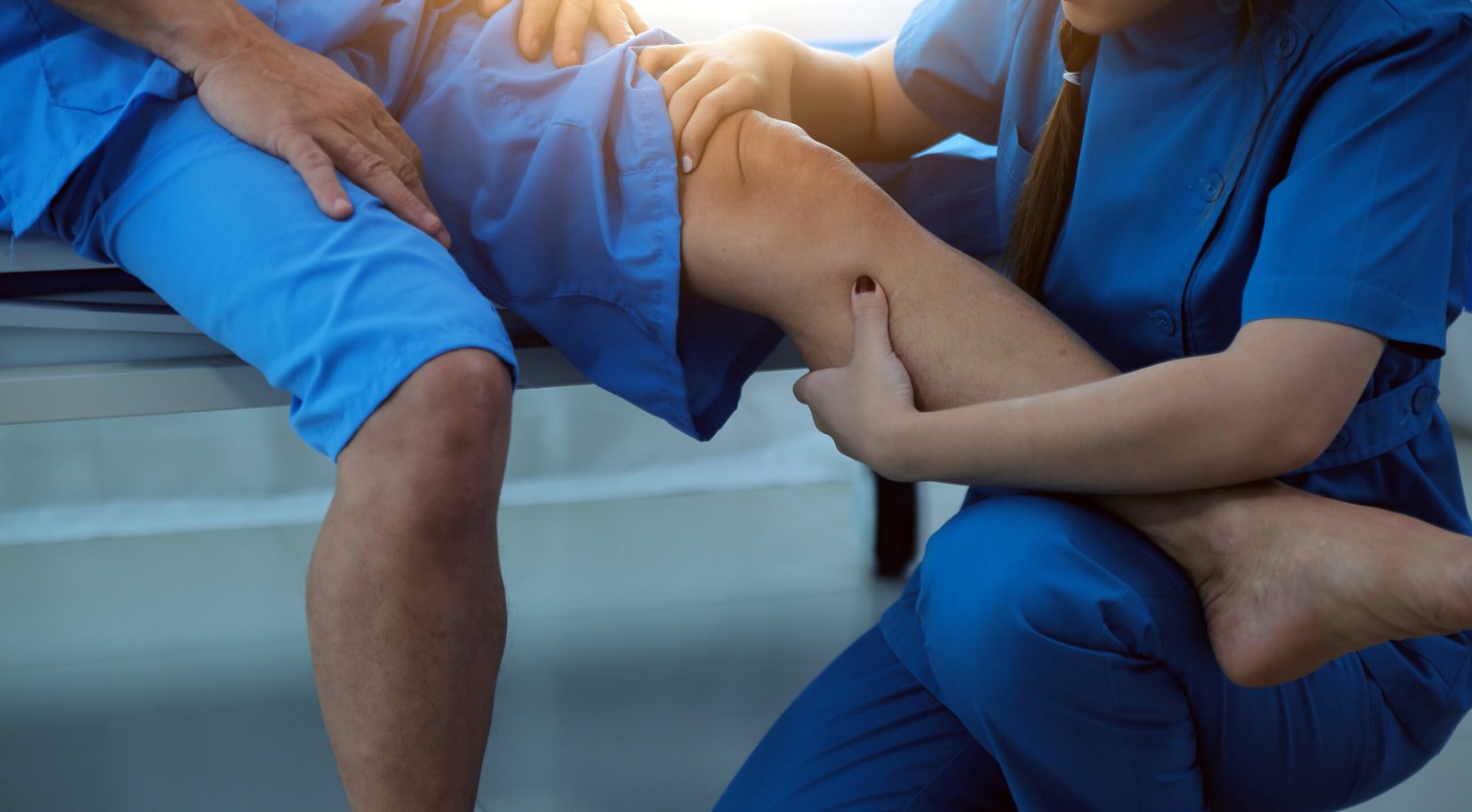
A failing knee replacement is frustrating, especially after the relief a first surgery may have brought. But revision knee replacement is a well-established, extensively studied procedure with a clear evidence base behind it, and the right surgical team makes a measurable difference to how it goes. If you’re weighing up your options, Medidash Global can connect you with JCI-accredited hospitals and experienced revision surgeons in Thailand, coordinate every part of the process from initial case review to aftercare, and give you a clear, honest picture of timelines and cost before you commit to anything. Get in touch with our team to discuss your case.
Frequently Asked Questions About Knee Revision Surgery
How do I know if I need knee revision surgery?
Persistent or worsening pain, instability, swelling that doesn’t resolve, or reduced range of motion are the main warning signs. Only an orthopaedic surgeon can confirm whether revision is necessary, usually after X-rays, blood tests, and sometimes joint aspiration to rule out infection.
Is revision knee replacement more painful than the first surgery?
Revision surgery is a longer, more complex operation, so post-operative discomfort and recovery time are generally greater than after a primary replacement. Pain is managed with the same protocols used for primary surgery, adjusted for the length and extent of the procedure.
How long does recovery from knee revision surgery take?
Straightforward mechanical revisions often follow a broadly similar recovery arc to primary replacement, just slower. More complex cases — particularly those involving bone grafting or two-stage infection treatment — can take four to twelve months to reach a stable, comfortable outcome.
Can revision knee replacement be done in Thailand?
Some of Medidash’s partner hospitals accept revision cases, subject to clinical review of your imaging and surgical history. Because revision is more demanding than primary replacement, we confirm suitability with the surgical team for each individual case before proceeding.
Does insurance cover revision knee replacement abroad?
Coverage varies widely by policy and provider. Some travel and medical insurance plans cover treatment abroad for pre-existing implant complications, while others don’t. We recommend checking directly with your insurer, and our team can help you understand what documentation a claim typically needs.