

For many patients facing months, sometimes years, on a public waiting list, or a five-figure quote from a private clinic at home, knee replacement abroad has become a serious option rather than a fringe one. It isn’t a shortcut. Done properly, it’s a structured medical journey that can mean less pain, a shorter wait, and a lower total cost than treatment at home. Done without planning, it can mean the opposite.
For UK, Australian, and other international patients, knee replacement in Thailand has become one of the more established routes, pairing MAKO robotic-assisted technology with access measured in weeks rather than months. This guide sets out what “worth it” actually means, how to plan the trip step by step, and what separates a well-run overseas knee replacement from a risky one.
Why Patients Travel for Knee Replacement Abroad
Three things usually push a patient toward researching treatment overseas.
Cost. Private knee replacement in the UK typically costs £10,000 to £14,000 for a standard procedure and £15,000 to £22,000 for robotic-assisted (MAKO) surgery. In the United States, published hospital price-transparency filings and industry cost analyses commonly put total knee replacement well into five figures, often $20,000 or more before insurance.
Waiting times. NHS England’s referral-to-treatment data for June 2026 shows a national median wait of 11.9 weeks and a 92nd percentile wait of 38.3 weeks across all specialties, and orthopaedic procedures, including knee replacement, have consistently been among the slowest to clear. In Australia, the median wait for a total knee replacement in a public hospital was 265 days in 2023 to 2024, according to the Australian Institute of Health and Welfare, an improvement on the year before but still far longer than for most other elective procedures.
Technology. Robotic-assisted systems such as MAKO let a surgeon plan implant position against a 3D model of the patient’s own knee before the first cut is made, which can improve alignment accuracy. Access to this technology, and how many robotic-assisted cases a surgical team has actually performed, varies a great deal between hospitals and countries.
Is Knee Replacement Abroad Worth It? Weighing the Pros and Cons
“Worth it” depends on what you’re comparing it to, and how much planning you’re willing to put in before you travel.
| Pros | Cons |
|---|---|
| Meaningful savings on standard knee replacement, and often lower cost than UK private care even for robotic surgery | Payment is usually required in full before or shortly after surgery |
| Surgery within 2 to 4 weeks of booking, rather than months or years | Early recovery happens away from your regular support network |
| High-volume surgical teams and current robotic technology at accredited hospitals | Flying too soon after surgery raises the risk of deep vein thrombosis (DVT) |
| English-speaking coordinators managing logistics from consultation to discharge | In-person follow-up with your operating surgeon is harder once you’re home |
| A recovery environment built specifically around international patients | Standard travel insurance rarely covers elective surgery abroad, so specialist cover is needed |
For a standard knee replacement, cost is often the clearest driver: the gap between Thailand and UK private pricing is large enough to fund flights, accommodation, and aftercare and still come out ahead. For MAKO robotic knee replacement, the price gap versus UK private robotic surgery is smaller, so speed and surgical volume tend to matter more than savings alone. For a country-specific breakdown, see how much a knee replacement costs for Australian patients.
Cost and Wait Time Comparison
| Where you have it | Standard Knee | MAKO Robotic Knee | Typical Wait |
|---|---|---|---|
| Medidash (Thailand) | from £6,360* | from £11,660* | 2 to 4 weeks from booking |
| UK private | £10,000 – £14,000 | £15,000 – £22,000 | Weeks to a few months |
| UK NHS | Free at point of use | Limited availability | Median several months; often much longer for orthopaedics |
| US private / self-pay | Roughly $20,000+ | Typically higher | No public wait; entirely cost-driven |
| Australia public hospital | Free at point of use | Limited availability | Median 265 days (2023–24) |
How to Plan a Knee Replacement Abroad: 8 Steps
The trip itself is the easy part. Getting the sequencing right beforehand is what actually determines whether it goes smoothly.
- Gather your medical records. X-rays or MRI scans, your GP or orthopaedic referral letter, and a current medication list. This is also a good time to work through a pre-surgery checklist and exercise guide, since starting some exercises before you travel can shorten recovery afterwards.
- Book a remote consultation. A surgeon reviews your records and confirms you’re a suitable candidate before you commit to anything.
- Get a written quote. It should state clearly what’s included: implant, hospital stay, surgeon and anaesthetist fees, transfers, and follow-up care. Anything left ambiguous in writing tends to become a dispute later.
- Confirm dates and travel logistics. Visa requirements, flight timing, and separate travel insurance that specifically covers planned surgery abroad, which standard policies usually exclude.
- Read the official guidance. The NHS’s guidance on going abroad for medical treatment is worth reading even if you’re not a UK patient, since the underlying advice, discussing plans with your own doctor, checking aftercare arrangements, and understanding the risks, applies broadly to any international patient.
- Plan the stay. Budget roughly 2 to 3 weeks in-country, covering the surgery, hospital stay, and early rehabilitation before you’re cleared to fly.
- Fly home only once cleared. Flying too soon after major joint surgery increases the risk of blood clots. See our guide on how long after knee replacement you can fly for a realistic timeline.
- Arrange local physiotherapy before you leave, so it can start within days of getting home rather than weeks.
Choosing a Destination: What Actually Matters

Skip the “best country” rankings; they mostly repackage marketing copy. Focus on what you can actually verify:
- Accreditation. Hospital-level accreditation from a recognised body such as Joint Commission International signals the facility meets internationally recognised standards for patient safety and clinical quality.
- Surgical volume. A surgeon who performs a high volume of knee replacements, and specifically robotic-assisted cases if you’re considering MAKO, will generally show more consistent outcomes than one doing it occasionally.
- Technology fit. Confirm whether robotic-assisted surgery is actually available for your case, not just advertised as a general capability. Our guide to what MAKO robotic surgery involves covers what the technology does, and doesn’t, change.
- Language and coordination. A dedicated, English-speaking coordinator from first consultation through to your return home reduces the chance of something falling through the cracks.
- Transparent pricing. A provider that states implant inclusion and package scope in writing upfront, rather than after you’ve already committed to travel.
- Aftercare and complication protocol. Ask directly what happens if something goes wrong once you’re back home. A serious provider will have a clear, specific answer.
What a Good Package Should Include
- Pre-op consultation, imaging review, and fitness-for-surgery checks
- Surgeon, anaesthetist, and hospital fees, with implant inclusion stated clearly in writing
- Airport transfers and accommodation for the recovery period
- An interpreter or English-speaking care coordinator throughout the stay
- In-hospital physiotherapy sessions before discharge
- Structured follow-up, including telehealth check-ins once you’re home
Standard knee replacement in Thailand currently starts from £6,360; MAKO robotic-assisted knee replacement starts from £11,660. Always ask for implant inclusion in writing before comparing this to a quote from anywhere else.
Whether robotic-assisted surgery is worth the difference in price depends on your specific knee and your surgeon’s recommendation, not a marketing claim, which is why the consultation stage matters more than the brochure.
Aftercare When You Get Home
- Keep going with the physiotherapy plan your surgical team gave you, even once it’s less structured than in-hospital sessions
- Watch for red flags: fever, increasing redness around the wound, or calf swelling and pain, which can indicate infection or a blood clot, and contact your GP or local emergency services promptly if they appear
- Hand your discharge summary to your home GP so they have a full record if anything needs follow-up locally
- Keep any scheduled telehealth or video follow-up appointments with your overseas surgical team
- Expect gradual, not instant, progress. Guidance from the American Academy of Orthopaedic Surgeons notes that meaningful recovery from total knee replacement can continue for up to a year, even though most patients resume everyday activities much sooner
For a closer look at what’s normal in the weeks after surgery, our guide on swelling after knee replacement covers what to expect and what warrants a call to your surgical team.
Why Patients Choose Thailand for Knee Replacement
Bangkok has built a genuine track record in orthopaedic medical tourism: internationally accredited hospitals, surgeons who perform high volumes of both standard and robotic-assisted knee replacement, and care teams set up specifically to coordinate international patients from first enquiry through to the flight home. It won’t suit everyone, particularly patients who value being close to family throughout recovery, but for those comfortable travelling, the combination of modern technology, shorter waits, and lower cost than UK or US private care is genuine rather than a marketing angle. Our complete guide to knee and hip replacement pulls together more detail on the procedure itself.
If you’d like to talk through your own situation, our patient coordination team can walk you through timelines, pricing, and what a package actually includes.
Should You Have Your Knee Replacement Abroad?
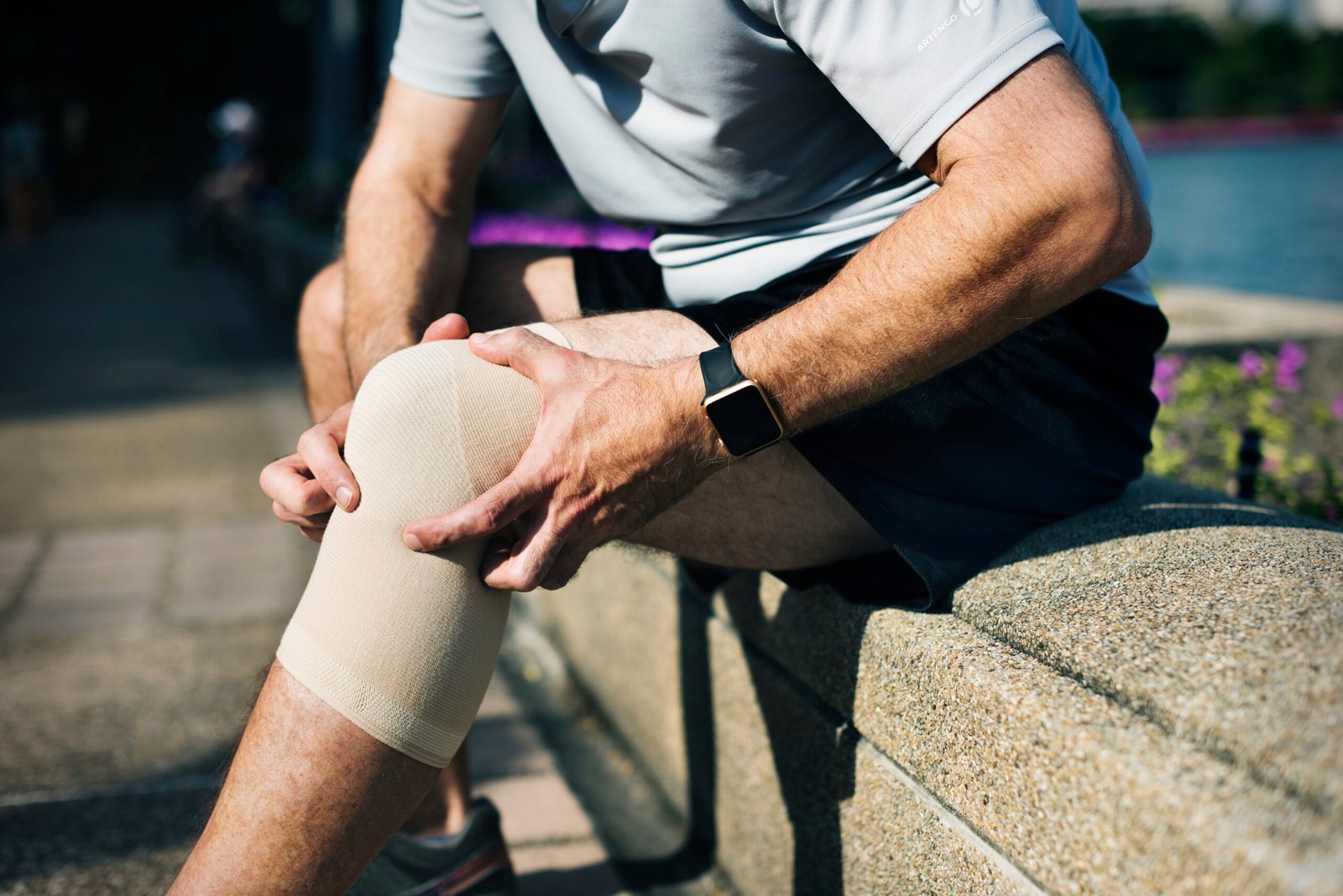
Knee replacement abroad isn’t the right choice for every patient, and it shouldn’t be treated as one. But for people facing a long wait or a cost that simply isn’t workable at home, a well-planned trip to an accredited hospital with a transparent, English-speaking care team can deliver the same outcome as treatment closer to home, sooner and for less. If you’re weighing up your options, Medidash can talk you through realistic timelines and a written, itemised quote before you commit to anything. Get in touch with our team.
Frequently Asked Questions about Knee Replacement Abroad
Is knee replacement abroad safe?
It can be, at an accredited hospital with an experienced surgical team, though standards vary between providers. Check accreditation, ask about surgical volume, and get your aftercare plan in writing before booking.
How much does knee replacement abroad actually cost compared to home?
It depends on the procedure and your home country. Standard knee replacement typically shows the biggest gap; MAKO robotic surgery narrows the gap versus UK private pricing but is usually still less expensive than in the US.
How long do I need to stay after surgery?
Most patients plan for roughly 2 to 3 weeks in-country to cover the surgery, hospital stay, and early rehabilitation before they’re cleared to fly.
What happens if there’s a complication after I get home?
A reputable provider will have a stated aftercare and complication protocol, usually including telehealth follow-up with your surgical team, alongside handing your discharge summary to your home GP.
Can I combine it with a holiday?
Some recovery time in a pleasant setting is realistic, but this is medical travel first. Prioritise rest and physiotherapy over sightseeing in the first couple of weeks.
Will my travel insurance cover this?
Usually not by default. Standard travel insurance typically excludes planned elective surgery, so specialist medical travel cover is worth arranging separately.