
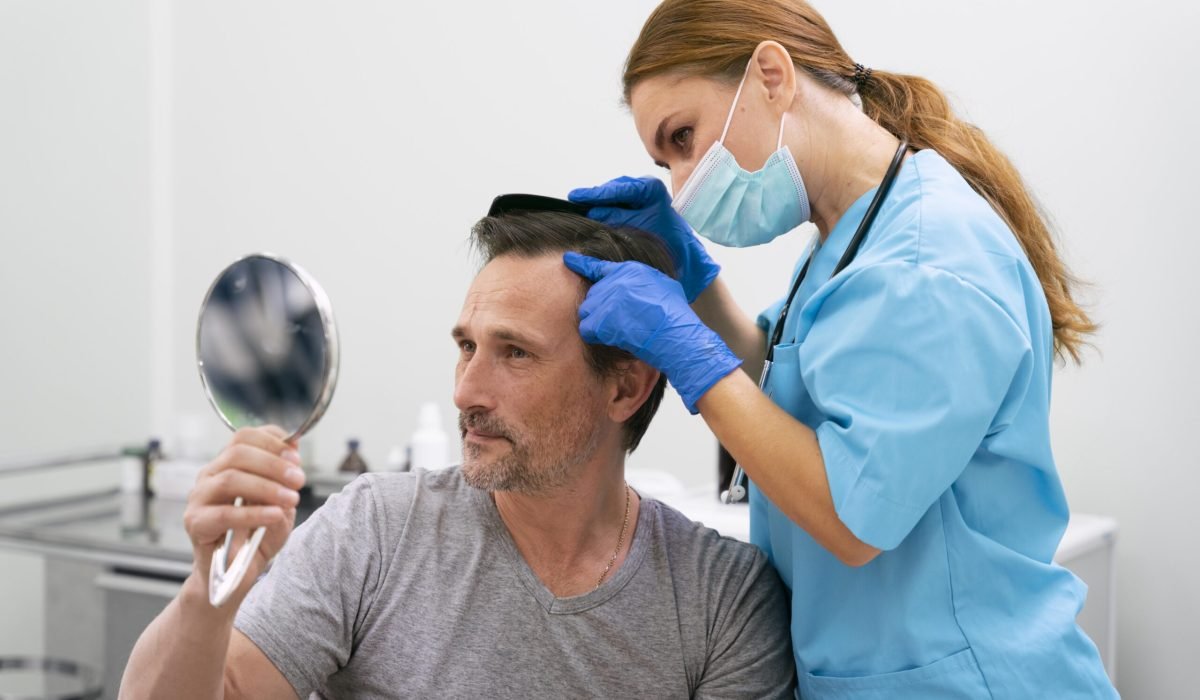
For many men across the UK, the decision to undergo a hair transplant is the result of years of research and consideration. It’s a significant investment in your appearance and confidence. However, once the procedure is booked, whether locally or through a medical tourism partner like Medidash, the focus quickly shifts from “Should I do it?” to “What happens next?”
Understanding the recovery process is just as important as choosing the right clinic. The journey doesn’t end when you leave the operating theatre; in fact, that is simply day one of a 12-month transformation. While the concept of surgery can be daunting, knowing exactly what happens during each stage of healing can significantly reduce anxiety and help you manage expectations.
At Medidash, we connect patients from the UK and Northern Europe with trusted hair transplant clinics in the UAE and Thailand. We know that clarity is key to a stress-free experience. This guide breaks down the hair transplant recovery timeline, day by day and month by month, so you know exactly what to expect on your road to restoration.
The Complete Recovery Timeline
The human body has a remarkable ability to heal, but it requires time and patience. The following timeline outlines the standard healing process for a Follicular Unit Extraction (FUE) transplant, the most common modern technique.
Days 1-7: The Critical First Week
The first seven days are arguably the most important for the success of your transplant. During this period, the newly implanted grafts are incredibly fragile. The follicles are not yet fully anchored to the blood supply beneath the scalp, meaning any friction or trauma could dislodge them.
What to expect:
- Swelling: It is common to experience swelling around the forehead and eyes, typically peaking around day three or four. This is a natural reaction to the anaesthetic and fluid used during surgery.
- Scab Formation: Tiny scabs will form around each grafted hair within 24 to 72 hours. These protect the wound and secure the graft.
- Sleeping: You will need to sleep with your head elevated (at a 45-degree angle) for the first few nights to minimize swelling and prevent the grafts from touching your pillow.
Expert Tip: This is not the time to be active. Most clinics recommend strict rest. If you have traveled to Dubai or Thailand with Medidash, take this time to relax in your hotel and order room service.
Days 8-14: Scab Shedding and Healing
By the second week, you will start to feel more like yourself. The follicles are becoming securely anchored, and the risk of losing a graft decreases significantly.
This is often the period where patients ask, “What happens 10 days after a hair transplant?” Around day 10 to 14, the scabs will begin to soften and fall off naturally, often during a gentle wash.
Key milestones:
- Appearance: Once the scabs shed, any residual redness usually begins to fade. For many patients, this is the point where they feel comfortable appearing in public without a hat.
- Activity: You can typically resume light daily activities and gentle walking, though heavy sweating should still be avoided.
- Washing: Most surgeons will allow you to transition from gentle dabbing to a more normal (though still careful) washing routine.
Weeks 2-4: The Shock Loss Phase
This phase often catches patients off guard, despite it being a completely normal part of the hair transplant healing stages. Between two and four weeks post-surgery, you may notice the transplanted hairs falling out.
This phenomenon is known as “shock loss” or temporary telogen effluvium. It occurs because the trauma of surgery moves the hair follicles into a resting phase. It is vital to remember that the root remains healthy and intact under the skin. Only the visible hair shaft is shedding.
- Don’t Panic: Seeing hair fall out after a transplant can be psychologically challenging, but it is actually a sign that the follicles are resetting for a new growth cycle.
- The Dormant Period: After the hair sheds, the scalp may look similar to how it did before the surgery. This “dormant” period can last for several weeks.
Months 2-6: New Growth Emerges
Patience is your best friend during this stage. For the first few months after a shock loss, the scalp is healing beneath the surface.
Around the three to four-month mark, you will witness the first signs of victory: new hair growth.
- Texture: Initially, these new hairs may appear fine, wispy, or even colorless. This is normal.
- Patchiness: Growth rarely happens evenly across the entire scalp at once. You may see growth in one area before another.
- Acne: Occasionally, you might get small pimple-like bumps (folliculitis) as new hairs try to push through the skin. A warm compress usually resolves this.
By month six, the “ugly duckling” phase is typically over. The hair begins to thicken, darken, and cover more surface area. Many patients see about 50-60% of their results by this halfway point.
Months 6-12: Maturation and Final Results
From six months onward, the visual changes accelerate. The hair shafts become thicker and stronger, adding significant density to the transplanted area.
- Texture Normalization: The wiry or frizzy texture that sometimes characterizes early growth will smooth out, behaving more like your native hair.
- The Final Look: By month 12, most patients see 90-100% of their final result. The hairline will look defined and natural, and the donor area should be fully recovered and undetectable.
- Late Bloomers: It is worth noting that for crown transplants, full growth can sometimes take up to 18 months due to the thicker skin in that region.
Maximizing Your Recovery
While the skill of your surgeon is paramount, your adherence to post-operative care plays a massive role in the final density and survival rate of your grafts. Whether you are recovering at home in the UK or extending your stay abroad, following these guidelines is essential.
Follow the Washing Instructions
Hygiene prevents infection, but aggression damages grafts.
- First 48 hours: Usually, strictly no washing.
- Days 3-14: Use a cup to pour room-temperature water over the head. Do not put your head directly under a high-pressure shower. Lather baby shampoo in your hands and gently pat it onto the area, never rub.
- After 14 Days: You can usually return to normal washing, which helps remove any remaining crusts.
Lifestyle Adjustments
Your body needs energy to heal.
- Avoid Smoking: Nicotine constricts blood vessels, reducing blood flow to the scalp. This can starve new grafts of oxygen and lead to poor growth.
- Skip the Gym: Avoid heavy lifting and high-intensity cardio for at least 14 days (some surgeons suggest a month). High blood pressure can cause bleeding or “popping” of the grafts.
- Alcohol: It is best to avoid alcohol for at least a week post-surgery as it thins the blood and can increase swelling.
Sun Protection
This is particularly important for Medidash patients enjoying the climate in Dubai or Thailand. The skin on your scalp may be numb initially, meaning you won’t feel a sunburn developing. Sun exposure can damage the skin and cause permanent discoloration (scarring) on the healing scalp. Wear a loose-fitting hat whenever outside for the first month.
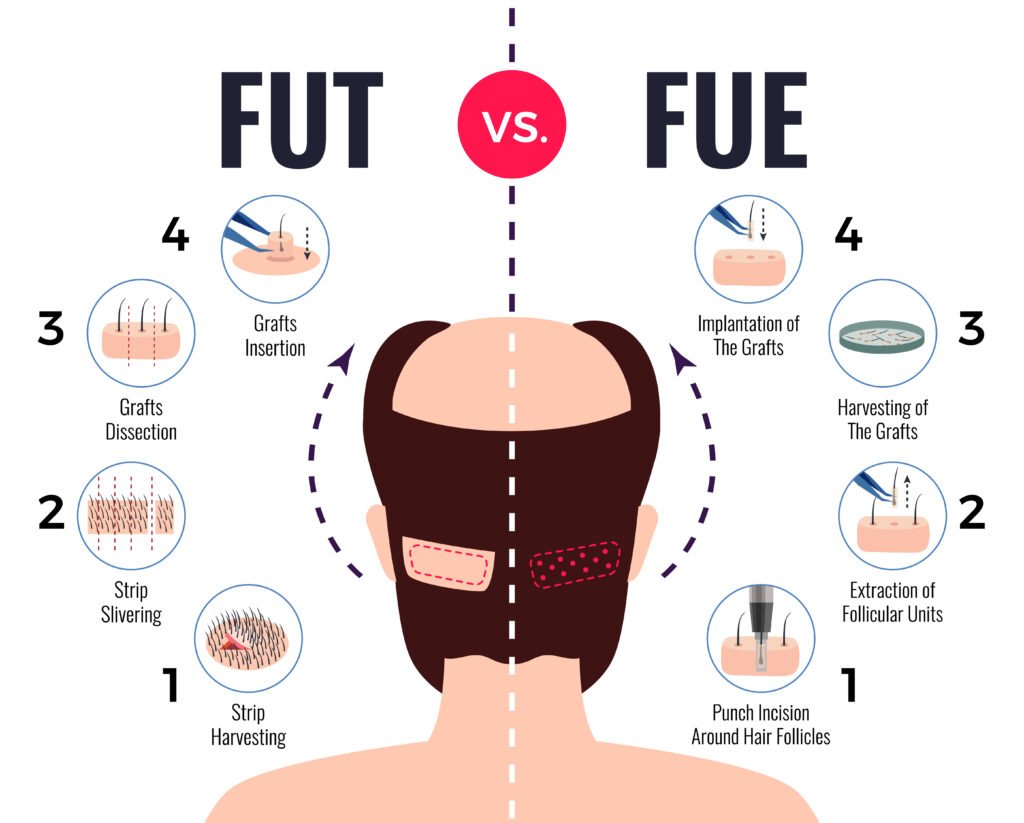
Understanding FUE vs FUT Recovery
While Medidash primarily partners with clinics specializing in FUE (Follicular Unit Extraction) due to its minimally invasive nature, it is helpful to know the difference.
- FUE: Involves extracting individual follicles. Recovery is faster, with less discomfort and no linear scar. Most patients return to desk jobs within 3-5 days.
- FUT (Strip): Involves removing a strip of skin. Recovery is slower (10-14 days for suture removal) and activity restrictions may last longer to prevent the scar from stretching.
Hair Transplant Recovery from Procedure to Results
The hair transplant recovery UK patients experience is a journey of patience. From the initial fragility of the first week to the confusing shock loss phase and finally the satisfaction of new growth, every stage serves a purpose.
While the timeline spans a full year, the acute recovery period is relatively short. Most men are back to work within a week and back to their normal social lives within two. The key is to trust the process and follow your surgeon’s advice to the letter.
If you are tired of the uncertainty of long waitlists and high costs, Medidash Global is here to help. We strip away the confusion of medical tourism, offering you a direct link to world-class hair restoration specialists who can deliver the results you deserve safely, transparently, and sooner than you think.