

“Do I qualify?” is the question most patients privately ask long before they make a formal enquiry. The requirements for bottom surgery involve a combination of clinical criteria, documentation, and physical health considerations. Most are things you either already meet or are working towards. This guide walks through each one clearly, so you can assess your own readiness before reaching out to a surgical team.
The eligibility framework used at leading hospitals in Bangkok is based on the WPATH Standards of Care (SOC), the internationally recognised clinical guidelines for gender-affirming treatment. Understanding what SOC 8 requires, and where hospitals may add their own institutional criteria on top, is the key to avoiding surprises during the planning process.
For a full overview of SRS procedures available in Bangkok, see our complete guide to sex reassignment surgery in Thailand. For cost information, see our SRS cost breakdown.
The WPATH Framework: What It Is and Why It Applies in Bangkok
The WPATH Standards of Care Version 8, published in September 2022, is the current international reference for gender-affirming surgical care. Reputable hospitals in Bangkok, including Phyathai 2 International, align their intake protocols with WPATH SOC 8. Understanding what SOC 8 says and where individual hospitals may apply additional institutional requirements on top of it, gives you an accurate picture of what to prepare.
SOC 8 represents a significant update from the previous version. It reduced the required mental health letters from two to one for adults seeking genital surgery, and reduced the minimum hormone therapy period from 12 months to 6 months. It also removed the previous requirement for 12 months of living in a congruent gender role (sometimes called “real-life experience”). Many Bangkok hospitals have updated their intake protocols accordingly. Some have not yet fully adopted every change. Medidash will confirm which requirements apply at your allocated hospital before you begin preparing documentation.
Requirements at a Glance: WPATH SOC 8 versus Thai Hospital Practice
The table below sets out the WPATH SOC 8 minimum standard alongside what many Bangkok hospitals require in practice. Where hospital practice exceeds the WPATH minimum, this reflects individual institutional protocols, not the international clinical consensus. The Medidash team will confirm the specific requirements of your allocated provider before you begin assembling documentation.
| Requirement | WPATH SOC 8 minimum | What Thai hospitals typically require |
| Mental health letter | 1 letter from a qualified mental health professional | Often 2 letters; some require one from a psychiatrist specifically. Confirm with Medidash. |
| Hormone therapy | At least 6 months on a stable regimen (if HRT is part of the patient’s plan) | Many Thai providers still apply 12 months as their institutional standard |
| Social transition / real-life experience | Not required under SOC 8 | Most Bangkok hospitals no longer require this; some legacy requirements may persist |
| Age | Age of majority in the patient’s country (18 in most) | 18 minimum at most Bangkok providers; some require 20 without guardian consent |
| BMI | Not specified in SOC 8; anaesthesia risk is assessed individually | Typically under 30; some specialist clinics set BMI under 23-25 for certain techniques |
| Medical fitness | Mental and physical conditions assessed; risks discussed | Full pre-op medical workup required at the hospital; GP or specialist clearance letter recommended |
| Hair removal (PIV) | Not a SOC 8 criterion, but a surgical prerequisite for penile inversion | Usually required: electrolysis or laser clearance of the surgical area before booking |
The Mental Health Letter: What It Is, Who Can Write It, What to Include

The mental health letter (also called a surgical readiness letter or referral letter) is typically the first documentation item patients need to arrange. WPATH SOC 8 requires one letter from a qualified mental health professional. The letter confirms that the patient meets the clinical criteria for gender-affirming surgery, has the capacity to give informed consent, and has had relevant mental and physical health considerations assessed.
If the hospital you are using follows SOC 8 strictly, one letter suffices. If the hospital applies a more traditional protocol, a second letter from a different qualified provider may be required. The two letters do not need to be from the same type of professional, but both must meet the minimum qualification standard.
Who Can Write the Letter
The letter must come from a qualified mental health professional. Accepted credentials typically include: licensed psychologist, psychiatrist, licensed counsellor, licensed clinical social worker, or mental health nurse practitioner with relevant specialisation. The writer does not need to be based in Bangkok or have any affiliation with Thailand. Your home country therapist, GP-referred psychiatrist, or gender clinic psychologist can all produce an appropriate letter, provided it meets the content requirements below.
What the Letter Must Contain
| Element | What to include |
| Letterhead and credentials | Provider name, licence number, contact details, date — on official letterhead |
| Patient identification | Full legal name, preferred name, date of birth |
| Diagnosis or criteria met | Confirmation of gender incongruence; reference to the diagnostic framework used (ICD-11 or DSM-5-TR) |
| Duration of treatment relationship | How long the provider has been working with the patient and in what capacity |
| Mental health history | Relevant conditions, treatment history, and current status — including whether any issues are managed and stable |
| Capacity for informed consent | Explicit confirmation that the patient understands the procedure and its effects, including on future reproductive options |
| Hormone and transition history | Duration and type of hormone therapy, where applicable |
| Specific procedure named | The exact procedure requested, e.g., “vaginoplasty” rather than “gender-affirming surgery” |
| Recommendation statement | A clear recommendation that the patient is an appropriate candidate for the procedure |
Letters that omit the specific procedure name, lack the provider’s credentials, or are not dated within an appropriate period before surgery are commonly returned for correction. Having a clearly formatted, complete letter before you submit to your hospital avoids delays. Medidash reviews documentation before submission and flags any gaps before your package reaches the hospital.
Hormone Therapy: Minimum Duration and Pre-Surgery Pause

SOC 8 recommends at least 6 months on a stable hormone therapy regimen before genital surgery, a reduction from the 12 months required under the previous SOC 7 guidelines. The emphasis in SOC 8 is on being stable on your regimen, not on reaching a specific duration as an arbitrary milestone. Hormone therapy is not a requirement under SOC 8 if the patient does not wish to pursue it or if it is medically contraindicated, though surgeons may have views on how this affects surgical outcomes.
Many Bangkok hospitals, however, continue to apply a 12-month hormone therapy requirement as their institutional standard. This is not inconsistent with good care; longer hormone exposure does affect tissue characteristics in ways that influence surgical planning. If you are at 6 months and your provider requires 12, that is an important piece of planning information that affects your timeline, not your eligibility in principle.
Pre-Surgery Hormone Pause
Oestrogen-based hormone therapy increases the risk of blood clotting (venous thromboembolism), which is a significant surgical risk. Most Bangkok hospitals require a pre-surgical pause of:
- Oral oestrogen: stop 2 to 4 weeks before surgery
- Injectable oestrogen: stop 4 weeks before surgery (longer half-life)
- Anti-androgens / other medications: your surgeon will review and advise individually
Your surgeon will confirm the exact timing at your pre-operative consultation. This pause does not affect your overall eligibility, but it is an important practical step to plan for. You will restart hormone therapy after surgery, typically once post-operative healing is progressing well.
Age, BMI, and General Medical Fitness
Age
The minimum age for irreversible genital surgery is 18 at all reputable Bangkok providers. This is consistent with WPATH SOC 8, which specifies that patients seeking genital surgery must have reached the age of majority in their country. Some providers in Thailand apply an age threshold of 20 without guardian consent, or require additional supporting documentation for patients between 18 and 20. Medidash will confirm the specific age requirements at your allocated hospital.
BMI
Body mass index affects anaesthesia risk, wound healing, and surgical complexity. Most Bangkok hospitals set a general BMI threshold of under 30 for vaginoplasty. Some specialist providers, particularly those offering sigmoid colon vaginoplasty, apply a stricter threshold, typically a BMI under 23 to 25. Patients above the threshold may be asked to reduce their BMI before a surgical date is confirmed, or may face a surgical surcharge at some centres.
BMI is not the only physical health factor. Patients with well-controlled diabetes, hypertension, or cardiovascular conditions can often proceed with appropriate pre-operative management. Uncontrolled conditions that affect anaesthesia safety or wound healing may require stabilisation before surgery is appropriate. Your pre-operative medical assessment at the hospital will identify any individual factors that need to be addressed.
Smoking
Smoking and nicotine use significantly impair wound healing and are associated with poorer orgasmic recovery after vaginoplasty. Most Bangkok surgeons require patients to stop all nicotine products, including cigarettes, vapes, and patches, for a minimum of 4 to 6 weeks before surgery and the same period after. Disclosure of smoking history at consultation is important, it affects surgical planning and anaesthesia management.
Pre-Surgical Preparation: Hair Removal and Bowel Preparation
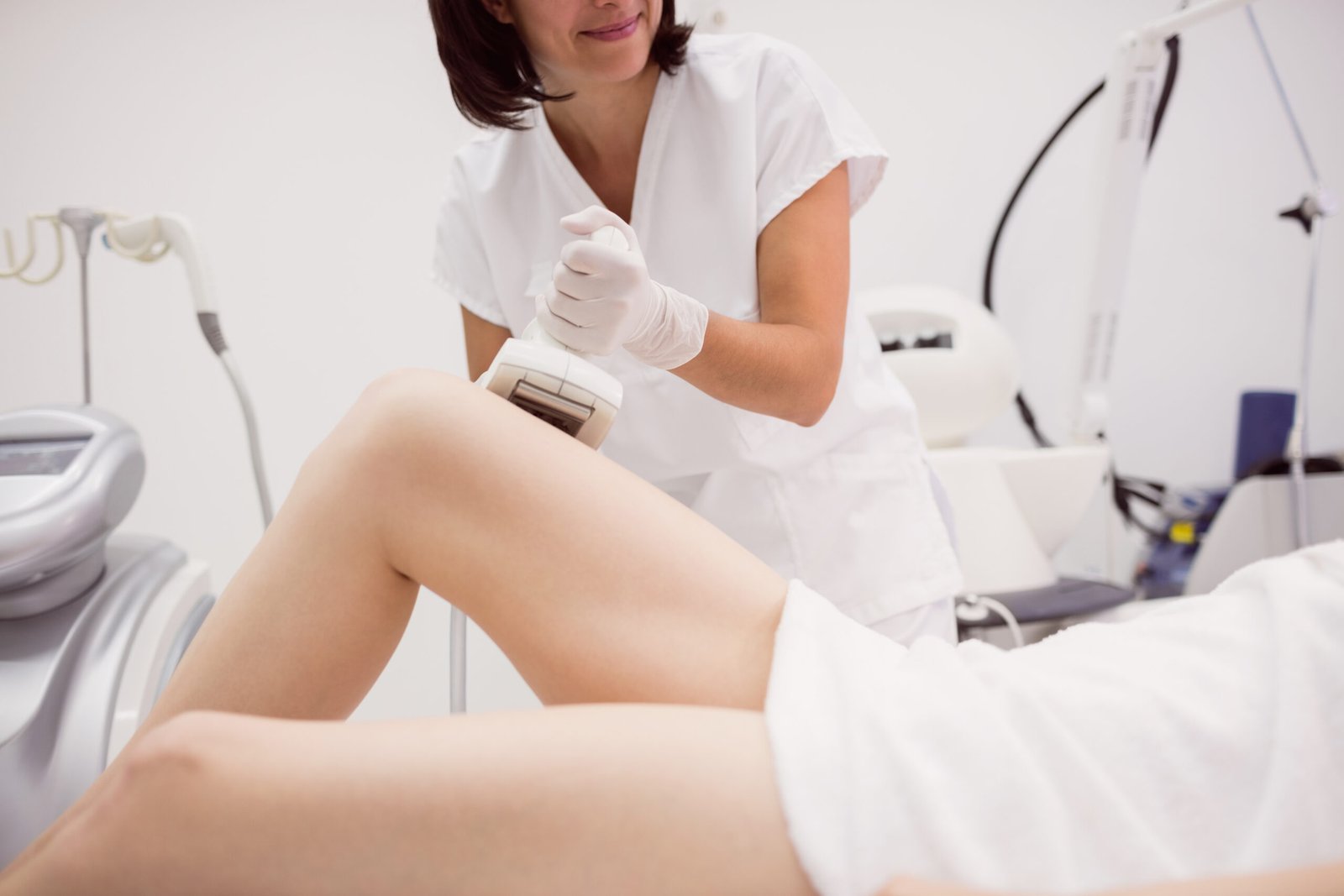
Two preparatory steps often catch patients by surprise because they are not part of the formal WPATH eligibility criteria but are nonetheless required for specific surgical techniques.
Electrolysis or Laser Hair Removal (Penile Inversion Vaginoplasty)
In penile inversion vaginoplasty, scrotal and penile skin are used to line the neovaginal canal. This skin contains hair follicles, and hair growth within the canal after surgery can cause complications. Surgeons require patients to complete electrolysis or laser hair removal of the surgical area before a date is confirmed. This process takes time, typically multiple sessions over three to twelve months, and should be started as early as possible in the planning process. Your surgeon will provide a map of the specific area requiring clearance.
Bowel Preparation (Sigmoid Colon Vaginoplasty)
If you are having sigmoid colon vaginoplasty, you will follow a specific bowel preparation protocol in the two to three days before surgery. This is similar to colonoscopy preparation and ensures the bowel section used is clean before it is repositioned. Your surgical team will provide detailed instructions at the appropriate time.
Your Documentation Checklist for Medidash
The following is a general checklist of what international patients typically submit when enquiring through Medidash. Your specific requirements will be confirmed once your situation has been reviewed.
- Mental health letter(s): 1 or 2 letters meeting the content requirements above, from a qualified mental health professional
- GP or physician medical clearance: a letter from your doctor summarising your general health, any chronic conditions, and confirming you are a suitable candidate for major elective surgery under general anaesthesia
- Hormone therapy records: your prescription history or an endocrinologist’s letter confirming duration and current regimen
- Recent blood panel: within 3 to 6 months of your proposed surgical date; includes full blood count, clotting function, liver function, hormone levels, and any condition-specific tests
- Passport/identification: valid passport with at least 6 months remaining beyond your travel dates
- Travel medical insurance: covering elective surgical procedures abroad and including emergency medical evacuation cover
- Hair removal documentation: (for PIV patients) treatment summary from your electrologist or laser practitioner confirming the area treated and the number of sessions completed
What If You Do Not Yet Meet All the Criteria?
Not meeting a requirement at the moment you are researching does not mean surgery is unavailable to you. It means there are specific steps to complete first, and knowing what those are makes planning straightforward.
If you are at 4 months on hormone therapy and the hospital requires 12, you have a clear timeline: 8 months of further preparation. If you do not yet have a mental health letter, your GP or gender clinic can refer you to an appropriate provider, or you can seek an independent assessment through a gender-specialist therapist. If BMI is the consideration, your surgeon can advise on the threshold that applies to your specific technique.
Medidash works with patients at all stages of preparation, not just those who are ready to travel within weeks. An early conversation is useful precisely because it gives you a clear picture of what you need to do before you are ready. If you are unsure where you stand, reach out to the Medidash team, and we will walk through your situation with you.
For more details on what the full planning and travel process looks like once you are eligible, see our step-by-step guide to planning your SRS trip to Bangkok. For safety and accreditation questions about care in Thailand, see our guide to SRS safety in Thailand.