
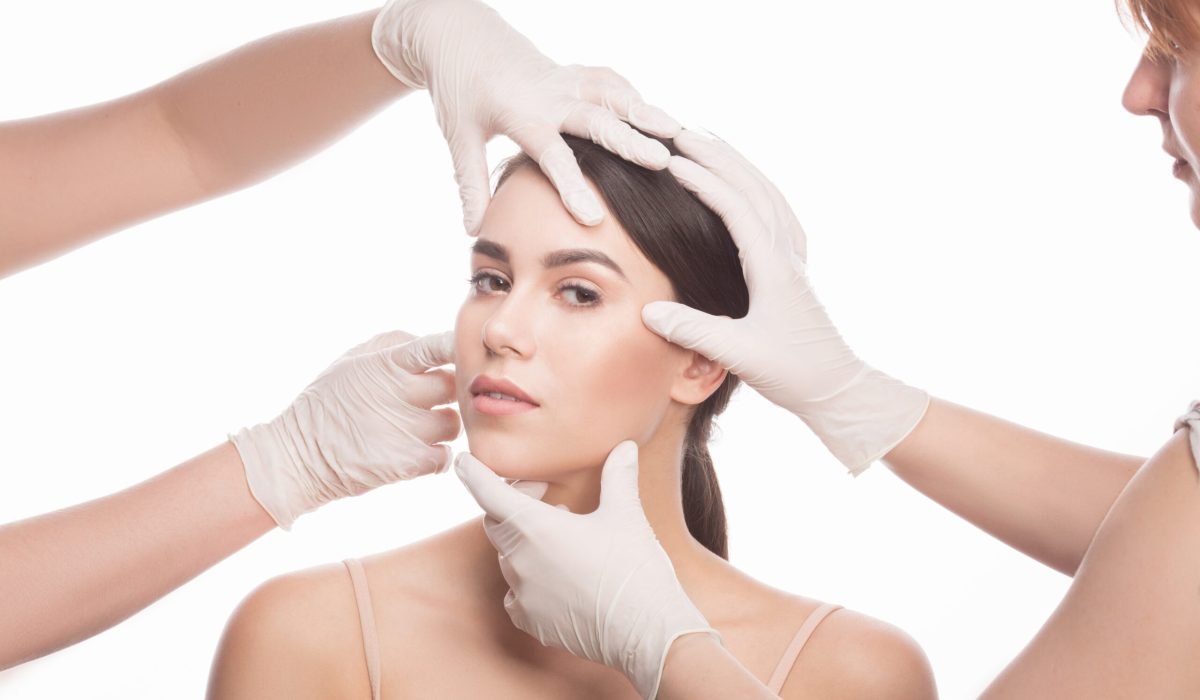
Thailand has earned its reputation as a leading destination for cosmetic surgery, offering skilled surgeons and modern facilities at costs significantly lower than those in Western countries. But choosing the right facelift procedure requires more than comparing price tags. You need to understand which surgical approach matches your specific concerns, what questions to ask during consultations, and how to verify that safety standards are met.
This guide will walk you through the different facelift options available in Thailand, help you identify what to look for in a qualified surgeon, and show you how Medidash Global simplifies the entire process by connecting you with vetted, accredited clinics.
Understanding Different Types of Facelifts in Thailand
Not all facelifts are created equal. The right procedure depends on your unique aging concerns, facial structure, and desired outcome. Here’s what you need to know about each option.
1. Mini Facelift
A mini facelift targets early signs of aging with less extensive incisions and a shorter recovery period. This procedure works well if you have mild jowling or early sagging in the lower face.
What it addresses:
- Minor jowl formation
- Early lower-face laxity
- Mild skin sagging
Limitations:
- Provides limited neck improvement
- May not address deeper tissue descent
- Results typically last shorter than full facelifts
2. SMAS Facelift
The SMAS (Superficial Musculoaponeurotic System) facelift is one of the most common procedures performed in Thailand. It works by repositioning the supportive layer beneath your skin, creating more natural and longer-lasting results than skin-only techniques.
What it addresses:
- Moderate jowls and lower-face sagging
- Loss of jawline definition
- Some neck laxity (depending on the extent)
Key variations:
- SMAS plication
- SMASectomy
- Extended SMAS approaches
3. Deep Plane Facelift
The deep plane facelift operates in deeper anatomical layers and can provide dramatic improvements for the right candidates. However, this technique requires significant surgical expertise and isn’t suitable for everyone.
What it addresses:
- Significant midface descent
- Deep nasolabial folds
- Advanced lower-face aging
Important considerations:
- Highly technique-dependent
- Requires an experienced surgeon
- Typically longer recovery period
4. Neck Lift
Many patients discover that their neck ages faster than their face. A neck lift specifically targets the neck area and can be performed alone or combined with other facelift procedures.
What it addresses:
- Platysmal bands (vertical neck cords)
- Excess fat under the chin
- Loose neck skin
- “Turkey neck” appearance
Important note: Many facelift quotes exclude true neck work. Always verify exactly what’s included in your procedure.
What to Ask Your Surgeon Beyond the Label
Marketing terms sound attractive, but you need to know what’s actually happening during surgery. Here are the critical questions to ask during your consultation:
About the surgical technique:
- Which layers will be modified during my procedure?
- What specific work will be done on my neck?
- Where will the incisions be placed?
- How will you minimize scarring and hairline distortion?
About your candidacy:
- Why do you recommend this specific technique for my anatomy?
- Can you show before-and-after photos of patients with similar concerns?
- What realistic results can I expect?
About safety and recovery:
- What accreditation does your facility hold?
- Who will administer anesthesia?
- What is your protocol for managing complications?
- How long should I plan to stay in Thailand for follow-up appointments?
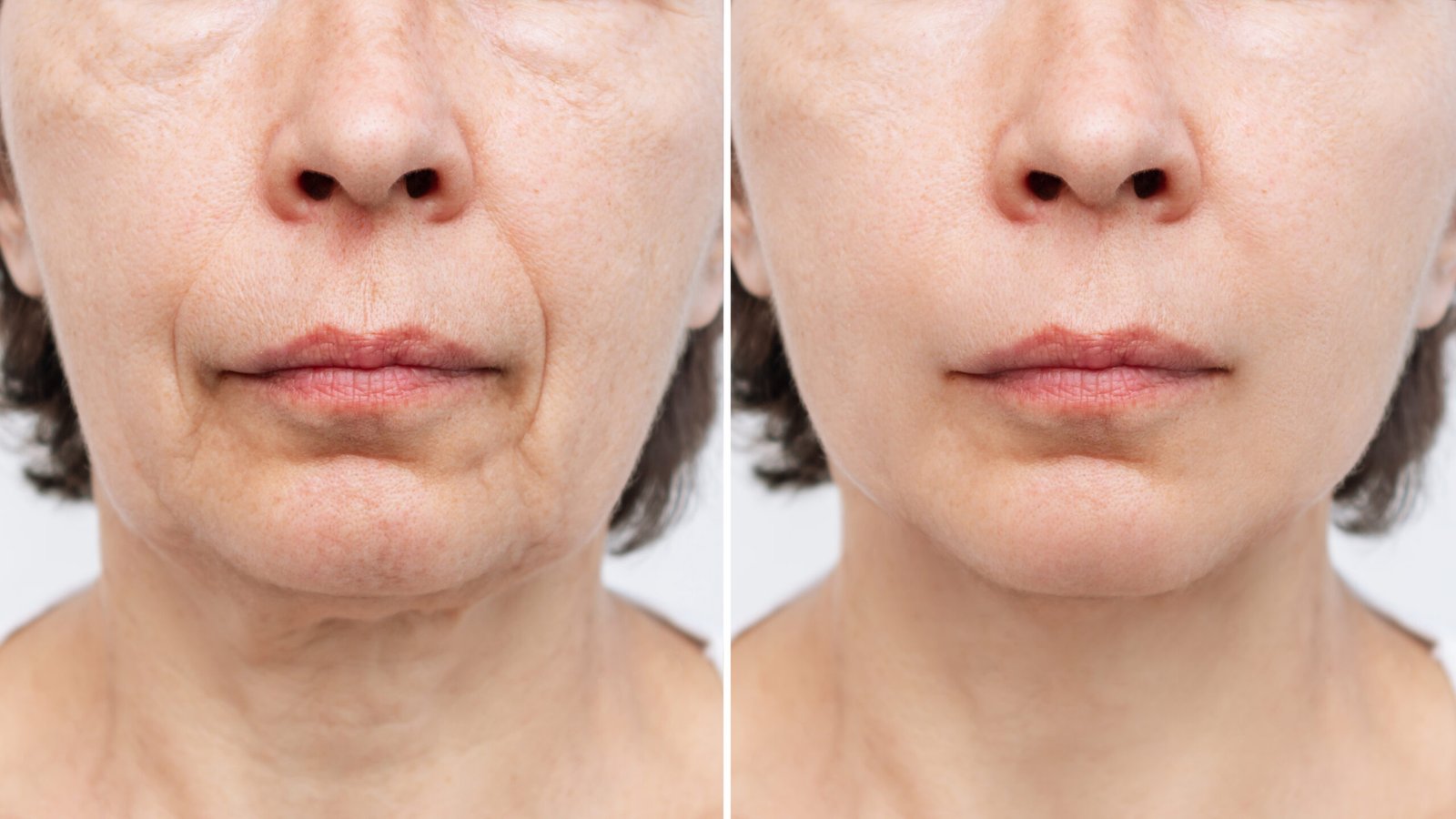
Understanding What a Facelift Can and Cannot Do
Setting realistic expectations is crucial for satisfaction with your results. A facelift addresses specific aging concerns but doesn’t solve everything.
What a facelift treats:
- Jowls and lower-face sagging
- Loss of jawline definition
- Neck laxity (when neck work is included)
- Deep fold lines between nose and mouth (partial improvement)
What a facelift does not treat:
- Eyelid aging (requires blepharoplasty)
- Brow descent (requires brow lift)
- Skin texture issues (requires laser or chemical peels)
- Volume loss in cheeks (may require fat grafting or fillers)
The American Society of Plastic Surgeons provides additional patient education on facelifts.
Safety First: How to Verify Credentials in Thailand
Thailand has many excellent surgeons and modern facilities, but standards vary. Here’s how to verify you’re choosing a safe provider:
Surgeon qualifications:
- Confirm medical license and board certification
- Ask about specific experience with your chosen technique
- Request to see similar case examples
- Verify who will actually perform your surgery
Facility standards:
- Look for JCI (Joint Commission International) accreditation
- Confirm what type of facility (hospital vs. clinic)
- Ask about emergency protocols and equipment
- Verify anesthesia provider credentials
You can search for JCI-accredited facilities in Thailand here.
Red flags to watch for:
- Vague answers about surgical technique
- Pressure to book immediately
- Prices are far below the market average without explanation
- No clear plan for handling complications
- Dismissive attitude toward risks
Recovery and Realistic Timelines
Understanding the recovery process helps you plan your trip properly and set realistic expectations.
Typical recovery timeline:
- Days 1-3: Peak swelling and bruising, dressings in place
- Week 1-2: Follow-up appointments, suture removal
- Weeks 4-6: Swelling subsides, contours soften
- Months 3-6: Final results become apparent as scars mature
How long to stay in Thailand:
Most international patients should plan to stay 10-14 days for critical follow-up appointments. This allows time for:
- Drain removal (if used)
- Initial follow-up checks
- Suture removal
- Medical clearance before flying
Always follow your surgeon’s specific guidance on when it’s safe to travel.
The Medidash Advantage: Vetted Clinics, Transparent Pricing
At Medidash Global, we understand that choosing a facelift provider abroad can feel overwhelming. That’s why we’ve done the vetting work for you.
How we help:
- Connect you only with JCI-accredited facilities
- Verify surgeon credentials and experience
- Provide transparent pricing breakdowns
- Coordinate appointments, travel, and recovery planning
- Offer continued support from consultation through recovery
Our cost advantage:
By partnering with accredited clinics in Thailand, we help you access the same quality procedures available in Western countries at 30-60% lower costs. This includes:
- Pre-operative consultations and testing
- The surgical procedure itself
- Post-operative care and follow-ups
- Recovery support
Important: We coordinate your care but don’t perform medical procedures ourselves. Your surgery is performed by qualified, vetted surgeons at our partner facilities.
Learn more about our process at Medidash Global.
Frequently Asked Questions
How do I know which facelift type is right for me?
The best approach depends on your specific aging pattern, skin quality, and goals. During consultation, a qualified surgeon will assess your facial structure and recommend the most suitable technique. Medidash Global can connect you with specialists who will provide honest assessments.
Is it safe to have a facelift in Thailand?
Yes, when you choose accredited facilities and qualified surgeons. Thailand has many world-class hospitals that meet international safety standards. We only partner with JCI-accredited facilities to ensure your safety.
How much can I save on a facelift in Thailand?
Most patients save 30-60% compared to costs in the UK, Europe, or North America. However, the exact savings depend on the procedure type, facility, and what’s included in your package.
What if I have complications after returning home?
Responsible clinics provide detailed aftercare instructions and maintain communication channels for post-operative questions. Medidash Global helps coordinate this continued care and can assist with local follow-up if needed.
How soon can I see results?
Initial results appear once swelling subsides (typically 2-4 weeks), but final results develop over 3-6 months as tissues settle and scars mature. Most patients feel comfortable in public settings within 2-3 weeks with proper makeup.
Take the Next Step Toward Your Transformation
Choosing the right facelift in Thailand doesn’t have to be complicated or risky. With the right information and support, you can access world-class surgical care at costs that make sense, without compromising on safety or results.
At Medidash Global, we’ve built our reputation on connecting patients with vetted, accredited facilities and guiding them through every step of the process. From your initial inquiry to post-operative support, we’re here to make your medical travel experience seamless and stress-free.
Ready to explore your options? Submit an inquiry today and let us connect you with the right surgeon for your needs. Our team will provide transparent pricing, coordinate your consultations, and answer all your questions.
Start your journey here and discover our treatment options. Don’t let uncertainty hold you back from the confidence you deserve. Let Medidash Global guide you to safe, affordable, and life-changing results.