
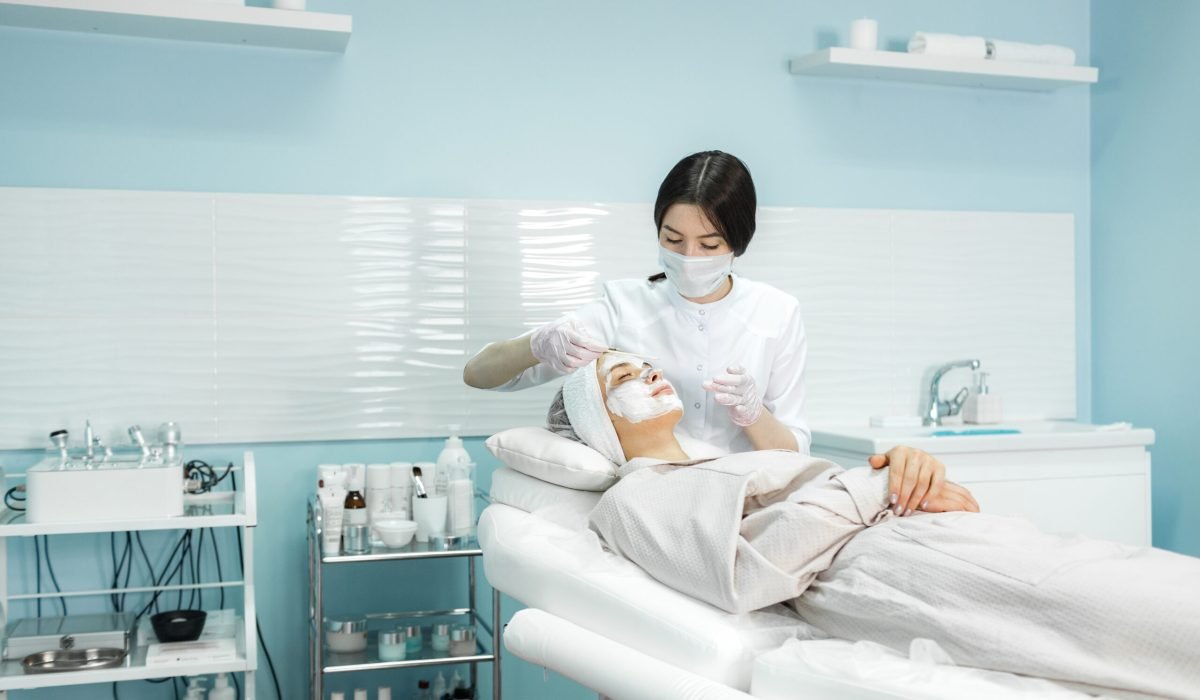
Choosing between Turkey and Thailand for a facelift is less about “which country is better” and more about which destination best matches your priorities: hospital accreditation, surgeon background, revision/aftercare planning, travel convenience, and cost transparency. Both countries treat large volumes of international patients, but the safest choice is the one with a verified provider, a clear surgical plan, and realistic recovery logistics for your specific case.
This article explains how to compare Turkey vs Thailand for facelift surgery using practical, safety-first criteria so you can make a calm, informed decision.
The Fastest Decision Framework (Safety-First)
If you want a quick way to decide, start here:
- Choose Thailand if you prioritise internationally accredited hospitals, structured inpatient care, and a more “hospital-led” medical tourism experience.
- Choose Turkey if you prioritise geographic proximity to Europe, shorter flights, and you’ve identified a highly credible surgeon/clinic with transparent policies (not just attractive marketing).
What matters most is not the destination’s reputation online, but whether your specific provider can evidence:
- Appropriate credentials and surgical volume
- Clear pre-op assessment and risk screening
- Transparent, itemised quotations
- A realistic aftercare plan (including complications and revision pathways)
Thailand Facelift Advantages: Hospitals, Accreditation, and Coordination
Thailand is widely recognised for combining modern private healthcare with established international patient systems. Many patients find the experience “lower friction” because hospitals often provide interpreters, clear care pathways, and consolidated billing.
Key Thailand strengths for facelift patients
- International hospital accreditation is common in leading facilities (look for JCI or equivalent). You can learn more about JCI standards via the official site: Joint Commission International (JCI).
- Hospital networks and tertiary care are a strong fit when patients want an added safety buffer especially if you have medical history to review (e.g., blood pressure, clotting risk, prior surgeries).
- Structured international patient services (language support, transfers, clear scheduling) can reduce stress for first-time medical travellers.
Where to start your Thailand provider research
- See Medidash’s overview of reputable facilities: Best hospitals in Thailand for medical tourism
- For a broader planning view (timelines, logistics, recovery planning): The complete guide to medical tourism in Thailand (2026)
Turkey Facelift Advantages: Access, Popularity, and Surgeon-led Clinics
Turkey is one of the most popular cosmetic surgery destinations for Europeans and UK patients, largely due to:
- Shorter travel times (relative to Thailand) and easier time zones
- A large market of cosmetic-focused clinics and experienced surgeons
- High volume of international patients, particularly in Istanbul
Where Turkey can be a strong choice
- If you need a shorter trip duration and want to be closer to home during recovery
- If you can verify the surgeon’s qualifications, facility standards, and aftercare process in detail
- If you have a realistic plan for follow-up once you return home (including who handles wound checks or concerns)
Where extra caution is needed
Turkey’s market includes excellent providers but also aggressive marketing. Patients should be particularly careful about:
- Overly fast “package sales” without medical screening
- Unclear surgeon involvement (who actually operates)
- Limited complication support once you fly home

How to Compare Facelift Costs Properly Without Hidden Surprises
Cost is a real factor, but safety-conscious patients should compare like-for-like, not headline figures.
When reviewing quotes from either country, request an itemised breakdown covering:
- Surgeon, anaesthetist, and operating theatre fees
- Hospital stay (if inpatient), nursing level, and compression garments
- Medications and post-op supplies
- Pre-op blood tests / medical clearance requirements
- Follow-up visits and whether they’re in-person or remote
- Revision policy (what happens if you’re unhappy or need corrective work)
- Emergency support pathway (24/7 contact, escalation, and who pays for extra care)
Quick Comparison Table: What to Ask Turkey vs Thailand Providers
| Comparison point | Thailand (typical strengths) | Turkey (typical strengths) | What you should verify |
| Care setting | Hospital-led options common | Many surgeon-led clinics | Facility accreditation, ICU access if needed |
| Cost clarity | Often structured packages in major hospitals | Packages are common but vary widely | Itemised quote + written inclusions/exclusions |
| Travel logistics | Longer flight for UK/EU | Shorter flight for UK/EU | Minimum stay and “fit-to-fly” guidance |
| Aftercare model | Hospital follow-ups + support teams | Clinic follow-ups may be shorter | Who supports you after returning home |
Costs vary by case complexity, technique, and provider. A proper consultation is essential.
What “Good Standards” Actually Look Like
A facelift is elective, but it is still surgery. The safest plan is built around provider verification, risk screening, and aftercare, not marketing.
Credentials and Standards to Look for (Both Countries)
Use these checkpoints:
- International accreditation (where applicable): Many top hospitals pursue external benchmarks such as JCI: JCI
- Surgeon credentials: board certification, specialty focus in facial plastics, and consistent facelift case volume
- Anaesthesia safety: who administers anaesthesia, monitoring protocols, and emergency readiness
- Infection control and facility protocols: ask how they manage sterility, antibiotics, and wound care
- Transparent consent and risk discussion: no minimising of risks, no guarantees
For broader global guidance on safe medical travel, see the WHO resource on travel for healthcare. You can also use professional surgery resources to understand global standards and the surgeon membership context: ISAPS (International Society of Aesthetic Plastic Surgery)
What Influences Outcomes (Beyond the Destination)
Results vary by individual case. Your outcome is influenced by:
- Your anatomy and skin quality (elasticity, facial volume, neck laxity)
- Procedure type (mini facelift vs deep plane facelift; face + neck lift combinations)
- Surgeon planning (vector of lift, scar placement strategy, conservative vs aggressive approach)
- Healing and recovery compliance (smoking, alcohol, sleep positioning, infection prevention)
- Time in-country for early follow-up (critical for swelling checks and wound review)
If you’re still deciding what type of lift you need, start with Medidash’s treatment overview.
How long should you stay? A practical Facelift Travel Timeline (Step-by-Step)
International patients often underestimate how much time is part of safe surgery abroad. Use a planning structure like this:
- Pre-trip consult (remote)
- Share photos, medical history, and medication list
- Discuss goals, scars, technique options, and realistic outcomes
- Travel + in-person assessment
- Confirm your surgical plan and do any required tests
- Ensure you understand post-op restrictions and red flags
- Surgery + immediate monitoring
- Most patients need close observation in the first 24–72 hours
- Early follow-up appointments
- Wound review, dressing changes, and stitch removal timing
- Recovery buffer before flying
- Plan for swelling, bruising, and comfort management
- Return home + continuing care
- Have a plan for who you contact if you have concerns
- Keep your surgeon’s written post-op protocol and emergency contact details
Common Mistakes when Choosing Turkey vs Thailand for a Facelift
Avoid these high-risk decision patterns:
- Choosing based on the lowest headline price instead of safety and surgeon involvement
- Booking too quickly without a proper consultation and medical screening
- Not clarifying who operates (surgeon vs rotating team)
- Underplanning recovery time and flying too soon
- No complication plan (who you contact, where you go, and what it might cost)
- Assuming aftercare is “optional,” it’s a core part of the procedure
How Medidash Global Supports a Safer Decision
Medidash Global is not a clinic and does not provide surgery. We act as a structured medical travel coordinator—helping patients reduce risk through clearer planning and vetted connections.
Support typically includes:
- Matching you with reputable providers in Thailand and the UAE based on your goals and risk profile
- Helping you request transparent, comparable quotations
- Coordinating logistics and communication so you’re not managing the process alone
- Guidance on documentation, timelines, and realistic recovery planning
You can explore available treatment, and if you want to discuss options confidentially, Contact Medidash Global