
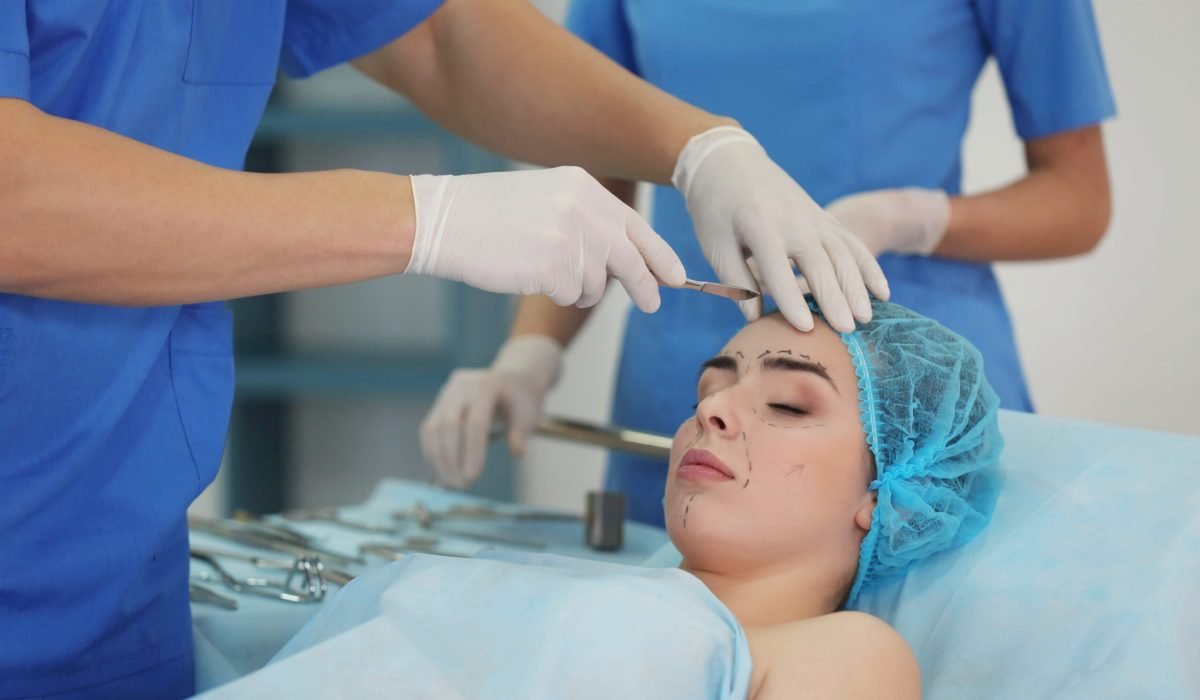
Thailand is frequently mentioned as a top destination for plastic surgery, particularly for rhinoplasty, breast surgery, body contouring, and facelifts. But the real question isn’t whether Thailand is “good” or “bad,” it’s whether plastic surgery in Thailand is safe and reliable for your specific situation. The most honest answer: Thailand is a high-variance market. Outcomes depend heavily on surgeon credentials, facility standards, anesthesia safety, and aftercare planning, not simply on the country itself.
This article provides a practical decision framework to help you assess whether plastic surgery in Thailand is right for you and how to reduce risk through smarter provider selection, transparent budgeting, and structured follow-up planning.
The Honest Pros and Cons of Plastic Surgery in Thailand
Before committing to plastic surgery in Thailand, start with a balanced snapshot of what to expect.
What Makes Plastic Surgery in Thailand Attractive
- Cost advantages when comparing like-for-like care: Many procedures cost less than in the UK, Europe, Australia, or the US, often due to differences in labor costs and hospital overheads, not necessarily lower standards.
- Internationally accredited hospitals exist: Thailand has private hospitals holding global quality accreditations (such as JCI), particularly in Bangkok and other established hubs.
- High procedure volume: In major markets, surgeons may perform large volumes of common cosmetic procedures, contributing to technical familiarity.
- Medical tourism infrastructure: Top providers have international patient departments, English-speaking coordinators, and recovery logistics that make the experience more predictable.
- Shorter waiting times: Elective procedures can often be scheduled faster than in systems with long waitlists.
The Challenges and Risks to Take Seriously
- Wide variation in quality: Thailand includes excellent hospitals and clinics with uneven standards. Choosing based on marketing alone increases risk.
- Continuity of care after you return home: Managing complications remotely is a common pain point in cross-border surgery.
- Revision surgery can erase savings: Revisions are typically more complex than primary procedures and may require additional flights and accommodation.
- Medical-legal recourse is more complicated: Practical barriers exist if disputes arise across borders.
- Online promotion can blur quality signals: Influencer content and package-style marketing can be persuasive without being clinically meaningful.
Quick Decision Guardrails
Do:
- Verify surgeon credentials and facility accreditation
- Confirm who provides anesthesia and what monitoring is used
- Plan adequate in-country recovery time and follow-up
Don’t:
- Choose a provider based only on price or social media results
- Rushing into multiple combined procedures without understanding the added risk
- Proceed without clear written terms for complications and revisions

How Thailand Became a Destination for Plastic Surgery
Thailand’s position in medical tourism developed over the decades:
- 1980s–1990s: Growth in private healthcare, especially in Bangkok, combined with investment in English-speaking services and international patient support
- 2000s–2010s: Competitive pricing and strong tourism infrastructure helped Thailand become a recognizable hub for elective procedures
- 2020s: Post-pandemic recovery increased emphasis on safety protocols, teleconsultations, and structured treatment pathways
For broader context on the ecosystem behind Thailand’s medical travel pathways, see: The Complete Guide to Medical Tourism in Thailand (2026 Edition).
Common Procedures and Associated Risks
Plastic surgery in Thailand often clusters around high-interest categories. Your risk level depends on the procedure type, whether procedures are combined, and your personal health factors.
Common Surgical Procedures
- Rhinoplasty (including revision): Outcomes vary significantly by anatomy, goals, and surgeon technique
- Breast surgery: Augmentation, reduction, and lifts require careful implant/device selection, infection prevention, and follow-up
- Liposuction and body contouring: Often paired with tummy tuck (abdominoplasty); combining procedures increases complexity
- Facelift/neck lift and eyelid surgery: Skill-sensitive procedures where the surgeon’s experience and facility safety are critical
Procedures That Warrant Extra Caution
- Brazilian Butt Lift (BBL): Recognized globally as higher-risk. Hospital-level safety standards, experienced surgeons, and emergency capability matter.
- Multiple procedures in one session: Longer anesthesia time can increase complication risk
- Patients with higher baseline health risk: Smoking, diabetes, obesity, clotting disorders, and some medications can increase risk regardless of location
Choose the Right Clinical Setting
Use this practical rule of thumb:
- Hospital setting is typically more appropriate for: Higher-risk procedures, combined surgeries, or anyone needing overnight monitoring or rapid escalation capability
- Ambulatory/surgery centers may be appropriate for: Selected lower-risk single procedures in healthy patients, only if anesthesia standards and emergency protocols are clear and documented
Your Thailand Plastic Surgery Safety Checklist
Replace the idea of “good country” with verifiable safety signals.
Surgeon Credentials: What to Validate
Ask for specifics you can verify, not general claims:
- Medical licensure: Confirm the surgeon holds a current license in Thailand
- Recognized specialist training pathway: Look for formal training in plastic/reconstructive surgery, not only “cosmetic” branding
- Professional society membership: Membership can indicate peer accountability
- Hospital privileges: Surgeons who operate in accredited hospitals typically undergo credentialing checks
- Procedure-specific experience: Ask how many of your exact procedures they perform annually and how they handle complications
Copy/paste email questions (before booking):
- What is your specialist training pathway in plastic surgery?
- How many [specific procedure] do you perform each year?
- Where do you have operating privileges, and what accreditation does the facility hold?
- What does your complication management pathway look like (including escalation)?
- What is your revision policy, and what costs could apply?
Facility Standards: Why “Where” Matters
Minimum acceptable facility checklist:
- Clear accreditation status (international or transparent local accreditation)
- Dedicated operating theatre with sterile processing protocols
- Qualified anesthesia provider and modern monitoring
- Recovery area (PACU) with nursing supervision
- Emergency drugs/equipment on site
- ICU access or documented transfer protocol
- Overnight monitoring available when clinically indicated
For readers comparing hospitals, this overview can help you shortlist higher-infrastructure options: Best Hospitals in Thailand for Medical Tourism.
Anesthesia Safety: Non-Negotiable Questions
Many surgical risks relate to anesthesia and post-op monitoring. Be direct and ask:
- Who administers anesthesia (credentials and role)?
- What monitoring is used during surgery (ECG, blood pressure, oxygen, capnography)?
- How long will I be monitored after surgery before discharge/transfer?
- What is the emergency response plan if something goes wrong?
Real Costs: What Quotes Often Exclude
A common mistake is comparing a single headline price to a fully loaded quote at home. For safety-focused patients, the right comparison is total cost of care.
What a Low Quote May Exclude
- Pre-op labs, imaging, and medical clearance
- Separate anesthesia fees
- Operating room/hospital fees and overnight stays
- Post-op medications and compression garments
- Pathology fees (if relevant)
- Implant/device brand details and warranties
- Extra follow-up visits or additional nights
- Flights, accommodation, time off work
- Contingency fund for complications or extended stay
Price Quote Audit Checklist
- Is the quote itemized (surgeon, anesthesia, facility, meds, garments, devices)?
- How many nights of monitoring are included—and what is the cost of extra nights?
- What happens financially if a complication occurs (who pays for what)?
- Is there a written revision policy with conditions and timelines?
- What are the cancellation and refund terms?
- Are there any non-obvious costs (translation, nurse visits, additional tests)?

Travel, Recovery, and Flying Home: Planning That Protects You
Cross-border surgery risk often isn’t the operation itself, it’s rushing travel and under-planning recovery.
Why Timing Matters
Long-haul flights soon after surgery can increase discomfort and swelling. Depending on your procedure and personal risk factors, travel may also affect clot risk. The safest approach is to follow your surgeon’s guidance and avoid tight timelines.
For general medical tourism planning considerations, the CDC provides an overview here: CDC: Medical Tourism
Practical In-Country Recovery Time (Planning Baseline)
These are broad planning ranges your provider should confirm what’s appropriate for your case:
- Minimally invasive: 3–5 days minimum
- Moderate surgery (e.g., rhinoplasty, breast augmentation): 7–10 days minimum
- Extensive surgery (e.g., tummy tuck, facelift, combined surgeries): 10–14 days or longer
Step-by-Step: Recovery Timeline Framework
- Days 0–2: Monitoring, rest, wound checks, pain control plan reviewed
- Days 3–5: Follow-up visit, early mobilization as cleared, dressing plan confirmed
- Days 6–10: Additional review, assess swelling/bruising, confirm flight readiness
- Day 10+ (if cleared): Travel home with documentation and follow-up plan
Flight-Readiness Questions to Ask
- When is it medically appropriate for me to fly long-haul?
- Should I use compression stockings/garments during the flight?
- What symptoms should delay travel?
- What documents should I carry (surgical note, medication list, fit-to-fly letter)?
Aftercare and Continuity: The Most Overlooked Factor
Many complications show up after you return home, which is why aftercare planning should be part of your decision, not an afterthought.
What Good Continuity of Care Looks Like
- Structured follow-up schedule: In-person checks while in Thailand (immediate post-op + pre-flight); remote follow-ups after returning home (telemedicine at set intervals)
- Written documentation you can share with local clinicians: Operative report, discharge summary, and medication plan, device/implant documentation (serial numbers and warranty info)
- Local medical support plan at home: Identify a local doctor who can review wounds and manage urgent issues. Don’t rely on messaging alone for symptoms that need examination.
Red-Flag Symptoms: Seek Urgent Local Medical Care
- Fever, chills, spreading redness, discharge, foul odor
- Severe pain not controlled by prescribed medication
- Sudden chest pain, shortness of breath, or leg swelling
- Excessive swelling, bleeding, or wound separation
- Sudden deformity or suspected implant/device issue
Marketing, Packages, and Red Flags: How to Avoid Common Traps
Thailand’s cosmetic market is heavily marketed online. Convenience can be helpful, but transparency matters more.
Why Aggressive Discounting Can Be a Warning Sign
Very low prices are not automatically unsafe, but they should trigger extra checks around:
- Who is actually performing the surgery
- Facility level (hospital vs. office-based)
- Anesthesia provider qualifications
- Post-op monitoring and emergency protocols
- What happens if complications occur
Red Flags Checklist (Walk Away If You See These)
- Credentials are unclear or cannot be verified
- Facility accreditation is vague or avoided
- The anesthesia plan/provider isn’t explained
- Unrealistic promises (“no risk,” “perfect results”)
- Pressure tactics to pay a deposit quickly
- The revision/complication policy is missing or vague
- No written terms, or terms change after payment
- Poor communication or evasive answers
Who Thailand May Be a Good Choice For
Thailand plastic surgery can be a good option for the right patient with the right plan.
Thailand Plastic Surgery May Suit You If You Can:
- Stay long enough for safe monitoring and follow-up (often 7–14 days, procedure-dependent)
- Choose an appropriately credentialed surgeon and facility with a strong safety infrastructure
- Budget for the total trip cost plus a contingency buffer
- Follow a structured aftercare plan and keep full documentation
- Maintain realistic expectations (results vary by individual case)
Think Twice If You:
- Cannot stay long enough for proper recovery checks
- Are you selecting based primarily on price or social media marketing
- Have unmanaged health risks without strong perioperative planning
- Need intensive long-term in-person follow-up close to home
- Are considering high-risk combinations without hospital-level safeguards
Questions to Ask During Your Consultation
- Are you a recognized specialist in plastic surgery, and what is your training pathway?
- Where will my surgery take place, and what accreditation does the facility hold?
- Who will administer anesthesia, and what monitoring is standard?
- What complications do you see with this procedure, and how are they managed?
- What follow-up happens in Thailand, and what happens after I return home?
- What exactly is included in the quote (itemized), and what is excluded?
- What documentation will I receive in English (operative report, discharge summary, device details)?
- What is the revision policy, and what costs could apply?
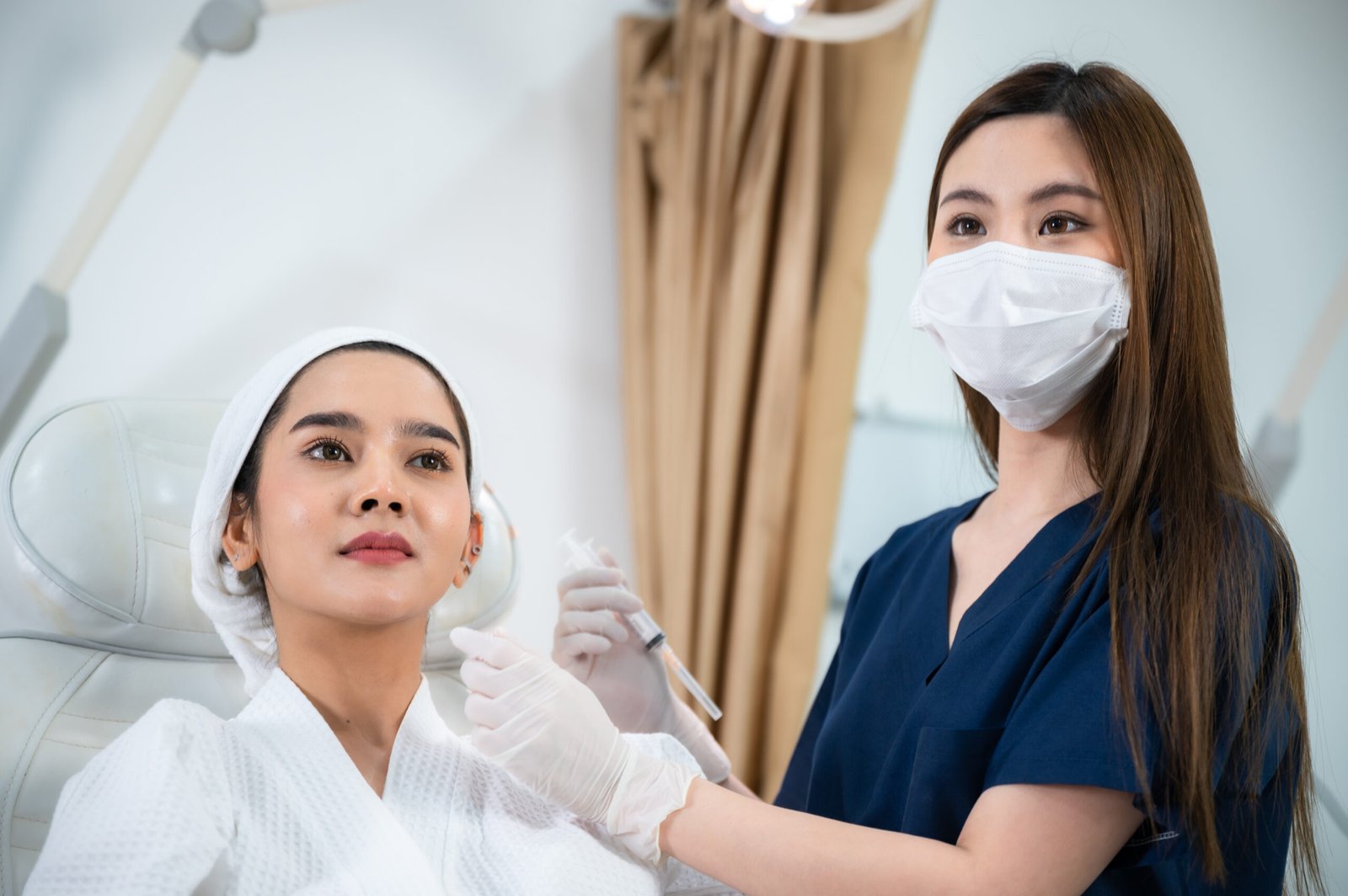
How to Vet Plastic Surgery in Thailand Before You Book
Use this process to reduce uncertainty and make comparisons fair:
- Shortlist provider options based on infrastructure first: Prioritize hospitals/centers with clear accreditation and international patient systems
- Verify the surgeon and anesthesia pathway: Confirm specialist training, procedure volume, and who provides anesthesia
- Schedule consultations (don’t rely on chat alone): Assess the quality of informed consent: risks, alternatives, realistic outcomes, recovery
- Compare itemized quotes apples-to-apples: Ensure inclusions match across providers (anesthesia, facility, nights, meds, garments, follow-ups)
- Lock in aftercare and documentation deliverables: Operative report, discharge summary, and post-return follow-up plan
- Finalize travel timeline before paying deposits: Book accommodation near the facility, allow extra days for unexpected swelling or delays
If you’d like support coordinating a structured provider shortlisting process, you can review Medidash Global’s services here: About Us and Contact Us.