
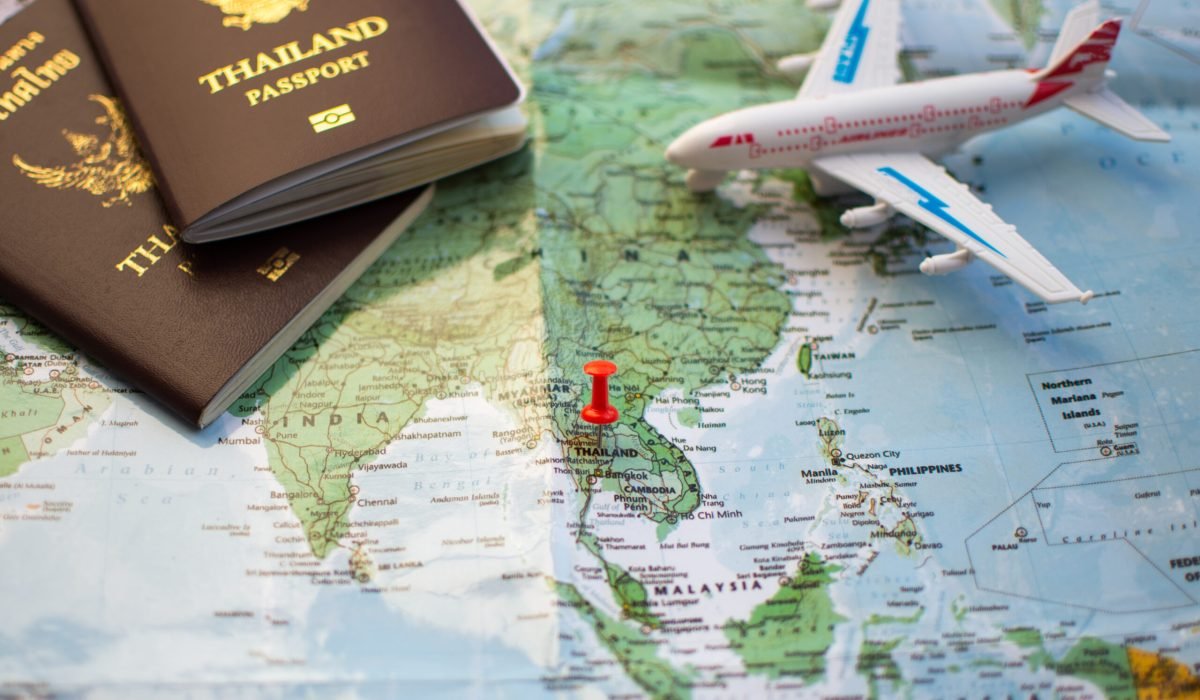
Planning a cosmetic procedure in Thailand is not only about choosing an accredited hospital and a qualified surgeon, but it’s also about aligning your travel dates with the correct visa pathway and ensuring you have enough time for pre-op checks, the procedure, and a medically sensible recovery window. Thailand’s rules can feel unclear from overseas, so this guide breaks the process down in practical terms, with the key official resources you should rely on.
This article explains how medical visas in Thailand typically work for foreigners, which visa types are commonly used, what documents you’ll usually need, and how to reduce immigration and scheduling risk before you travel.
How to Avoid Visa Problems Around Surgery Dates
Before you book flights or pay deposits, use this checklist to prevent the most common issues (tight stay periods, wrong visa category, or missing documentation):
- Confirm your treatment timeline in writing (consultation date, procedure date, expected “fit-to-fly” guidance, and follow-up schedule).
- Ask the hospital/clinic for an official appointment or admission letter (on letterhead).
- Choose a visa option that covers your full stay with buffer days for swelling, follow-ups, and unexpected delays.
- Use official channels for visa rules (not forums):
- Thailand e-Visa
- Ministry of Foreign Affairs
- Bangkok Immigration (extensions/info)
- If you may need more time in Thailand, discuss extension requirements early—before you travel—so you know what evidence may be requested.
Medical Visas in Thailand: What Foreigners Should Understand Before Travelling
Thailand does not have one single “medical visa”; in all cases the way some patients expect. In practice, foreigners typically enter Thailand for treatment using a standard visit/tourist pathway or a non-immigrant pathway, depending on nationality, length of stay, and whether extensions may be needed.
What matters most for medical travellers is not the label but that your permitted length of stay matches your real clinical schedule.
Plan around these realities:
- Pre-op clearance and lab work may require multiple visits.
- Cosmetic surgery recovery can be unpredictable.
- Airlines and doctors may advise delaying long-haul travel depending on procedure type and individual factors.
- Results and recovery time vary by individual case; a proper consultation is essential.
Patients travelling for procedures such as knee replacement in Thailand follow a similar visa planning process, adjusted for a longer recovery window than most cosmetic procedures require.
For a broader planning framework, see:
Thailand’s Most Commonly Used Medical Visa Options by International Patients
Visa eligibility depends on your passport and current Thai regulations, so you should verify your specific route via the Thai e-Visa portal or your nearest Thai Embassy/Consulate.
That said, international patients commonly fall into one of these patterns:
1. Tourist Entry (often used for elective procedures)
Many patients enter Thailand under a tourist route (including visa-exempt entry where applicable) and complete treatment within the permitted stay.
Typically suitable for:
- Short-stay procedures with predictable recovery windows
- Patients who do not expect to need an extension
- Patients scheduling a single procedure plus one follow-up
Key risk: your stay may be too short if you need additional follow-ups or if healing takes longer than expected.
2. Non-Immigrant Visa Route (often considered for medical reasons/longer stays)
Some travellers explore a non-immigrant category when the intended stay is longer, documentation is more formalised, or additional administrative support is required.
Typically suitable for:
- Longer treatment plans (staged procedures, complex recovery)
- Patients who want a stronger documentation trail
- Patients who may require extensions based on medical reasons (case-by-case)
Key risk: requirements can be more document-heavy, and approvals can vary by embassy/consulate.
Always check the current visa category options and requirements here: https://www.thaievisa.go.th/ and https://www.mfa.go.th/en/

Medical Visa Requirements in Thailand: Documents you Should Prepare
Exact requirements vary depending on visa type and where you apply, but these are the documents international patients most commonly need to assemble.
Core Documents (common across many applications)
- Passport (validity requirements vary; check before applying)
- Visa application (online via e-Visa, where available)
- Proof of onward travel (often requested)
- Proof of accommodation (hotel booking or hospital-related stay)
- Proof of funds (bank statements or equivalent)
Medical-specific Supporting Documents (often requested for “medical intent”)
- Hospital/clinic letter stating:
- your name and passport number (if possible)
- appointment/admission dates
- planned procedure or treatment description (high-level)
- treating physician or department (where relevant)
- Treatment cost estimate/quotation (helpful for transparency)
- If relevant, a companion letter for someone is travelling to assist you
Practical tip: ask your provider to issue documents on letterhead, dated, and with contact details. This reduces friction if immigration or an embassy requests verification.
Thailand Medical Visa Application Process: A Simple Step-by-Step
Use this as a planning template and then confirm the exact steps for your nationality:
- Confirm your clinical schedule (include buffer days).
- Request your hospital letter and cost estimate.
- Apply via the official channel:
- e-Visa portal: https://www.thaievisa.go.th/
- or embassy/consulate route (as directed by MFA)
- Upload/submit documents and pay required fees (if applicable).
- Wait for approval and keep copies of all documents (digital + printed).
- Arrive with a complete document pack (passport, visa/entry proof, hospital letter, accommodation).
- Track your permitted stay and plan follow-ups before it expires.
Extending a Medical Visa in Thailand: What to Expect in Real Life
Some patients need additional time due to follow-up appointments, swelling, wound checks, or surgeon recommendations. Extensions are not automatic; they are typically handled through Thai Immigration with supporting evidence.
If you may need an extension:
- Discuss it with your hospital’s international patient team early.
- Keep all appointment slips, discharge summaries, and receipts.
- Expect to show documentation that explains why additional stay time is necessary.
Official reference point (local immigration):
Medical Visas in Thailand for Cosmetic Surgery: How to Plan the Safest Timeline
For elective cosmetic procedures, the most common operational risk is underestimating the timeline. A safety-first plan is one that protects your recovery and reduces the chance you feel pressured to fly early.
Build your schedule around:
- Arrival 1–3 days before initial consultation/tests (depending on provider)
- Procedure day(s)
- Minimum recovery window advised by your surgeon
- Follow-up appointment(s) before you leave Thailand
- Extra buffer days for unexpected delays
Common mistakes to avoid
- Booking return flights too early “to save time.”
- Assuming swelling/bruising will follow a fixed timeline
- Skipping in-person follow-ups to meet travel dates
- Choosing a visa duration that leaves no flexibility
For provider selection and safety standards, these guides can help:
- 5 Best Hospitals in Thailand for Medical Tourism 2026
- The Complete Guide to Medical Tourism in Thailand (2026 Edition)
Medical Visa Costs and “Hidden” Expenses to Budget For (beyond the procedure)
Visa fees vary by route and nationality, and rules can change. Your best source is the e-Visa portal and MFA pages.
Beyond fees, budget for these common add-ons:
- Extra accommodation nights if recovery takes longer
- Local transport for follow-up visits
- Companion costs (if someone travels with you)
- International medical travel insurance appropriate to your trip and risk profile
- Unexpected clinical needs (extra medications, extra check-ups), depending on provider policy
Costs depend on complexity and provider, and a proper consultation is essential for accurate planning.
Table: Practical Planning Map for Thailand Medical Visa Choices
| Planning factor | Why it matters | What to do before you book |
| Procedure + recovery time | Determines minimum stay | Ask for a written recovery guidance and follow-up schedule |
| Permitted length of stay | Avoid overstays and stress | Choose a visa route that covers the total time + buffer |
| Documentation quality | Reduces embassy/immigration friction | Request a formal hospital letter and itemised estimate |
| Extension likelihood | Some recoveries run long | Learn extension evidence requirements in advance |
| Provider credibility | Safety and continuity of care | Prioritise internationally accredited hospitals and experienced surgeons |

How Medidash Global helps patients reduce visa and coordination risk (without acting as a clinic)
Medidash Global is not a clinic and does not provide medical treatment. We work as medical travel coordinators to help international patients navigate provider selection and logistics more safely and transparently.
Support typically includes:
- Coordinating with vetted providers and international patient teams
- Helping you request the right documents (appointment letters, cost breakdowns) to support travel planning
- Aligning your treatment timeline with a realistic travel schedule
- Planning for aftercare steps and follow-ups so you’re not making decisions under time pressure
Useful links to explore: