
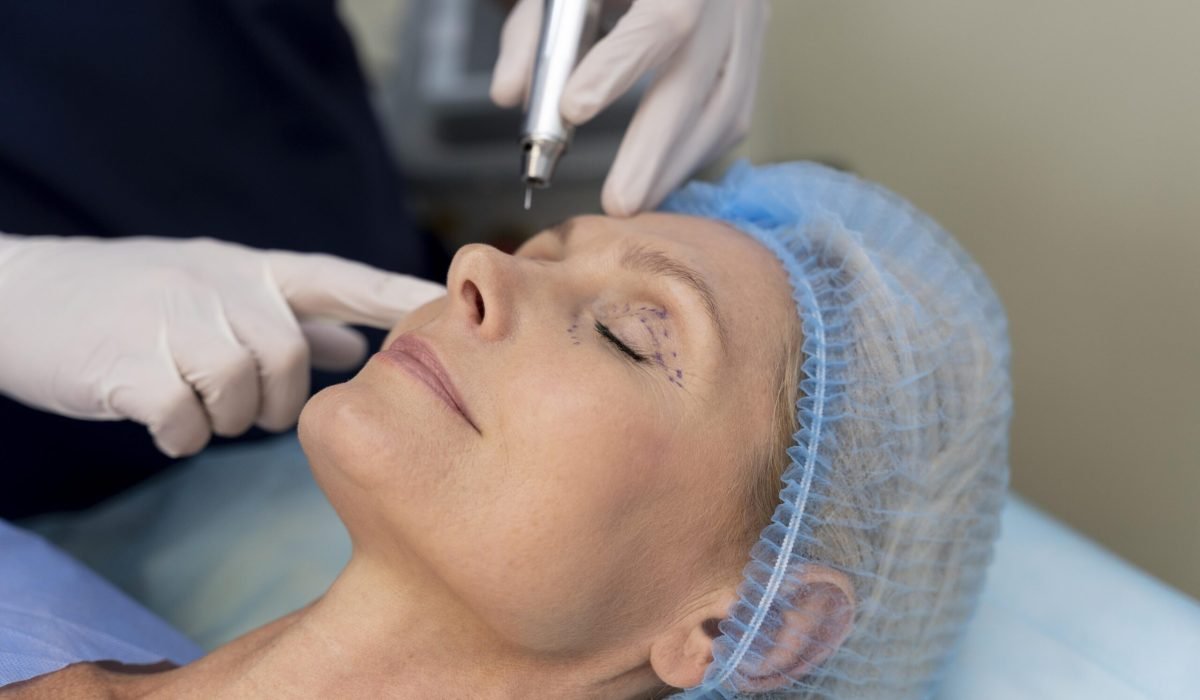
A facelift in Thailand can be safe for the right patient when it’s performed by a properly trained plastic surgeon in a well-equipped, accredited facility with strong anesthesia standards and a clear follow-up plan. But “safe” isn’t a simple yes/no answer. Risk depends on provider quality, screening protocols, infection control, emergency readiness, and how you plan recovery and travel.
This article breaks down facelift safety in Thailand using a practical, risk-management framework so you know exactly what to verify before you book.
Is it safe to get a facelift in Thailand?
Yes, a facelift in Thailand can be safe if your decision is driven by verifiable safety standards rather than marketing promises. Use this checklist as your starting point:
Non-Negotiable Safety Requirements
- Facility: Hospital operating theater (or equivalent) with documented emergency pathways, not a vague “surgery center.”
- Accreditation: Look for internationally recognized accreditation (commonly JCI) where available; treat it as a strong proxy, not a guarantee
- Surgeon Credentials: Verifiable medical license in Thailand + formal plastic surgery training + hospital privileges for facelift surgery
- Anesthesia Provider: Named anesthesia professional with clear credentials and modern monitoring standards
- Pre-Operative Screening: Clear protocol for smoking/vaping, blood pressure, diabetes control, medication/supplement review
- Aftercare Plan: Written follow-up schedule in your language + after-hours contact + plan for complications after you return home
- Recovery Time in Thailand: Sufficient time to cover the early complication window (especially first 24–48 hours)
If you’re exploring Thailand as a medical travel destination more broadly, see: The Complete Guide to Medical Tourism in Thailand (2026 Edition).
What Is a Facelift (Rhytidectomy)? Common Procedures in Thailand
A facelift, clinically called a rhytidectomy,y is a surgical procedure designed to improve visible signs of facial aging, usually in the lower face and jawline. Many patients also need neck contouring to achieve a balanced result.
Common Add-On Procedures
You may see these offered alongside a facelift in Thailand:
- Neck lift / platysmaplasty (often critical for jawline definition)
- Fat grafting (volume restoration in selected areas)
- Eyelid surgery (blepharoplasty)
- Brow lift
- Skin resurfacing (laser/peels timing matters)
Technique Terms You’ll Hear (and What to Clarify)
Patients researching facelift safety often encounter technique labels used loosely in advertising. Don’t choose based on terminology alone; ask what will be done in your case.
- SMAS-based facelift vs. deep-plane facelift: These refer to different ways of addressing deeper facial layers. The right approach depends on anatomy, tissue quality, and goals.
- Mini facelift / short-scar facelift: Often indicates a more limited lift with smaller incisions. It can be appropriate for selected patients, but may not address neck aging or heavier laxity.
What to Ask in Consultation:
- “Which layers will you lift and reposition?”
- “What neck work is included (if any)?”
- “Where will my scars sit, and how might my hairline be affected?”

Main Risks That Affect Facelift Safety (in Thailand and Anywhere)
A facelift is a major elective surgery. The key to safety is understanding that complications are possible in any country and then choosing providers and timelines that reduce risk.
Pre-Operative Risks (Screening Prevents Avoidable Problems)
A strong pre-op process should include:
- Review of smoking/vaping (higher risk of poor wound healing and skin compromise)
- Assessment of hypertension (uncontrolled blood pressure increases hematoma risk)
- Diabetes control and general medical optimization
- Review of medications and supplements that increase bleeding risk (e.g., certain blood thinners, NSAIDs, fish oil, vitamin E)
Intra-Operative Risks (Team and Facility Matter)
Safety depends heavily on:
- Qualified anesthesia professional and modern monitoring
- Sterile technique and infection control systems
- Careful hemostasis (bleeding control)
- Sensible operative time, especially if combining procedures
Post-Operative Risks (Follow-Up and Emergency Access Are Critical)
Early complications can be time-sensitive, and travel can complicate management if you leave too soon or lack a clear local plan.
Common facelift complications (global, not Thailand-specific):
- Hematoma (often within 24–48 hours; may require urgent assessment/drainage)
- Infection
- Skin necrosis/wound healing issues (higher risk with smoking or vascular conditions)
- Facial nerve injury (temporary weakness is more common than permanent issues; risk varies)
- Seroma, scarring problems, hairline distortion, asymmetry, dissatisfaction
- DVT/PE risk (blood clots), especially with long surgeries, combined procedures, immobility, and long-haul flights
Post-Surgery Red Flags (Urgent): Rapid swelling, severe pain/pressure, fever, shortness of breath, chest pain, one-sided leg swelling. Seek urgent medical attention immediately.
For public health guidance on medical travel planning, review the CDC’s medical tourism page: https://www.cdc.gov/travel/page/medical-tourism
Quality in Thailand vs. Western Countries
Thailand is a long-established medical tourism destination with large private hospital networks and internationally focused services. However, quality varies significantly between providers, especially when comparing hospital-based surgery to smaller outpatient settings.
Stronger Safety Proxies in Thailand
When assessing safety, prioritize verifiable systems over appearances:
- International accreditation, where applicable (commonly JCI)
- Hospital-grade infrastructure:
- Emergency response capability
- Access to higher-level care (ICU/transfer pathway)
- Robust infection control policies
- Structured medication management and surgical checklists
To understand how international patients select major hospitals for complex care and streamlined logistics, see: Best Hospitals in Thailand for Medical Tourism.
Important Nuance: Accreditation correlates with safety processes, but it does not replace surgeon verification, a personalized plan, or proper follow-up.
How to Verify Your Surgeon’s Credentials (License, Training, Privileges)
Your surgeon’s choice is one of the biggest drivers of facelift safety in Thailand. Focus on training, transparency, and complication readiness, not popularity.
Credentials That Matter (and How to Verify)
Ask for:
- Full name and credentials (no ambiguity)
- Proof of being a licensed physician in Thailand
- Clear evidence of formal plastic surgery training (not just “cosmetic surgeon” marketing)
- Hospital privileges to perform facelift surgery (a practical and meaningful signal)
Experience and Outcomes (What “Good Evidence” Looks Like)
- “How many facelifts do you perform per year?”
- “How many revision cases do you manage?”
- Before/after photos that:
- Show patients with similar age, anatomy, and skin type
- Use consistent lighting/angles (reduces risk of curated or misleading comparisons)
Complication Readiness (Non-Negotiable for International Patients)
Ask for a direct explanation of:
- Hematoma protocol (who assesses you, where, how quickly)
- Infection and wound issue management pathway
- After-hours contact details and coverage if the surgeon is unavailable
Warning Signs (Step Back and Reassess)
- Refusal to share license/training pathway
- Rushed online consults with vague technique explanations
- Pressure tactics around deposits or “fast booking.”
- No clear written plan for follow-up or complications
Best Hospital vs. Clinic for Facelift in Thailand: Which Is Safer?
This isn’t about “hospital good, clinic bad.” It’s about whether the facility has documented systems to manage predictable surgical risks.
Typical Safety Advantages of a Hospital Setting
- Stronger emergency escalation pathways
- Higher likelihood of robust anesthesia staffing and monitoring standards
- Access to additional services if complications occur (e.g., imaging, labs, specialist consults)
- Ability to provide overnight monitoring when appropriate
If Considering a Clinic, Confirm “Minimum Facility Requirements”
Use this checklist and request clear answers in writing:
| Safety Requirement | What to Confirm | Why It Matters |
| Anesthesia credentials | Who provides anesthesia and their qualification | Airway/monitoring competence reduces risk |
| Continuous monitoring | ECG, oxygenation, BP, temperature, etc. | Detects early deterioration |
| Emergency equipment | Resuscitation equipment and trained staff | Time-critical emergencies |
| Overnight care plan | Observation protocol or nearby hospital admission | Early hematoma window is critical |
| Transfer pathway | Formal agreement/access to higher-level care | Complications sometimes require escalation |
Travel Risks That Can Ruin a Good Facelift (and How to Prevent Them)
Even if the surgery itself is high quality, medical travel can introduce vulnerabilities. This is where many safety problems begin.
1. Time Pressure and Continuity of Care
- Some issues (especially hematoma) can appear quickly and require in-person assessment
- If your itinerary is compressed, you may not be in Thailand long enough to complete essential early follow-ups
2. Combined Procedures to “Maximize the Trip”
Bundling can be reasonable for selected patients, but it may also:
- Increase anesthesia time
- Increase swelling and recovery demands
- Increase DVT/PE risk in susceptible patients
A safer approach: Ask your surgeon to justify:
- Why is combining appropriate for you
- How do they reduce risk (operative time, DVT prevention, monitoring)
3) Communication Gaps
For facelift safety in Thailand, insist on:
- Written aftercare instructions in English (or your language)
- Direct surgeon communication pathway (not only via a coordinator)
- Clear emergency contact process after hours
For Thailand travel health basics (vaccines, local considerations), see: https://wwwnc.cdc.gov/travel/destinations/traveler/none/thailand
How Long to Stay in Thailand After a Facelift
There is no single “correct” number of days for everyone. The safer framework is: stay long enough to cover the early complication window and key post-op visits, based on your surgeon’s plan and your individual risk profile.
Practical Recovery Planning Framework
- Pre-Op Arrival Buffer: Arrive early enough to avoid fatigue and allow in-person assessment
- Immediate Post-Op Period (First 48 Hours): Plan to be close to your surgeon/facility
- First Week Follow-Up: Confirm when dressings/sutures are reviewed or removed (timing varies)
- Fit-to-Fly Clearance: Obtain individual medical clearance before long-haul travel
“Fit to Fly” and DVT Risk Management (Discussion Prompts)
Ask your team:
- What is your DVT prevention protocol for facelift patients?
- When do you typically approve long-haul flights after this procedure?
- Should I use compression stockings, and when should I start walking?
Avoid self-prescribing; your medical team should tailor guidance to your health history and procedure length.
Essential Questions to Ask Before Booking a Facelift in Thailand
Use this question set as a structured script for consultations.
Step 1: Surgeon Verification
- Are you formally trained in plastic surgery? Where did you train?
- Can I verify your Thai medical license and your hospital privileges for facelift surgery?
Step 2: Procedure Plan Clarity
- What facelift approach are you recommending for me (and why)?
- What neck work is included?
- What scars should I expect, and how might my hairline be affected?
Step 3: Anesthesia and Facility Safety
- Who administers anesthesia, and what are their credentials?
- Is surgery performed in a hospital operating theater?
- What emergency resources are on-site (and what’s the escalation pathway)?
Step 4: Complications and Aftercare
- What’s your protocol for hematoma and infection?
- How many follow-ups are included while I’m in Thailand?
- Who do I contact after hours, and how quickly will I be assessed if something changes?
Step 5: Returning Home
- What happens if I develop a complication after returning to the UK/Europe/Australia?
- Will you provide complete operative notes and aftercare instructions for my local doctor?
Step 6: Costs and Transparency
- What is included vs. excluded (medications, garments, extra nights, additional visits)?
- What is your revision policy, and what fees could apply?
Facelift Safety in Thailand: Do’s and Don’ts
Safer When:
- Surgery is in an accredited or well-equipped hospital environment with robust perioperative systems
- Surgeon credentials and hospital privileges are verifiable
- Pre-op screening is thorough (smoking status, BP/diabetes control, medication review)
- You allow enough time in Thailand for an early follow-up
- You have a documented complication plan for Thailand and home
Riskier When:
- The decision is primarily price-driven with limited transparency
- Your itinerary is compressed, and you plan to fly soon after surgery
- Multiple procedures are stacked without a clear risk rationale
- Follow-up is minimal, vague, or routed only through non-clinical staff
Who Should Avoid Having a Facelift Abroad?
Consider avoiding medical travel for facelift surgery if you:
- Have a history of high clot risk, unstable hypertension, uncontrolled diabetes, or significant vascular conditions
- Are you a heavy smoker, unwilling or unable to stop before surgery
- Cannot extend your stay if complications occur
- Do not have clear local support or coordination with your home physician
- Have limited financial flexibility for unexpected additional costs

Is It Safe to Get a Facelift in Thailand? Your Decision Framework
A facelift in Thailand can be safe for appropriately selected patients when the surgeon, facility, anesthesia standards, and follow-up plan are verifiably strong and when travel is planned around medical needs rather than holiday timing.
The most reliable way to protect yourself:
- Use a structured safety checklist
- Insist on credential transparency
- Choose a setting with real emergency readiness
- Give yourself enough time in Thailand for early monitoring
The complications that matter most are often time-sensitive. If you’d like support navigating provider verification and travel logistics, Medidash Global connects international patients with vetted providers and helps handle the details, ensuring you get the care you need without the wait. Ready to explore your options? Contact Medidash Global today and take the first step toward a safer, smoother facelift experience in Thailand.