

MTF bottom surgery is a group of gender-affirming surgical procedures that create female genitalia, including a vulva and, in most cases, a vaginal canal, for trans women and other people assigned male at birth. The most common is vaginoplasty, which typically uses penile and scrotal skin to form the vaginal canal, labia and clitoris.
For many trans women, it is one of the most significant steps in aligning body and identity, and also one of the most researched and most misunderstood. If you are wondering which procedure is right for you, or how to find a surgeon you can trust, you are in the right place.
This guide answers all of those questions in plain, honest language. We cover every procedure type, from a standalone orchiectomy to full-depth vaginoplasty, along with candidacy requirements, surgical techniques, recovery, risks, and long-term outcomes. We also explain why Thailand has become the world’s leading destination for this surgery, and what to look for when choosing a care team.
If you are ready to explore your options, our team at Medidash is here to guide you. Visit our sex reassignment surgery in Thailand page to learn more about our partner hospitals and how we support international patients from first enquiry through to full recovery.
What Is MTF Bottom Surgery?
MTF bottom surgery, also called feminising genital surgery or gender-affirming genital surgery, refers to a group of surgical procedures that create female genitalia for trans women and non-binary people assigned male at birth (AMAB).
The goal is functional and aesthetic: to construct anatomy that aligns with a person’s gender identity, supports comfort in the body, and, where desired, enables penetrative sexual activity. These are established, evidence-based procedures performed by specialist plastic and reconstructive surgeons. They are not experimental, and outcomes from experienced surgical teams are well-documented.
MTF bottom surgery is not a single operation. It is better understood as a spectrum of procedures; some patients choose one step, others undergo a staged approach across multiple procedures.
Types of MTF Bottom Surgery
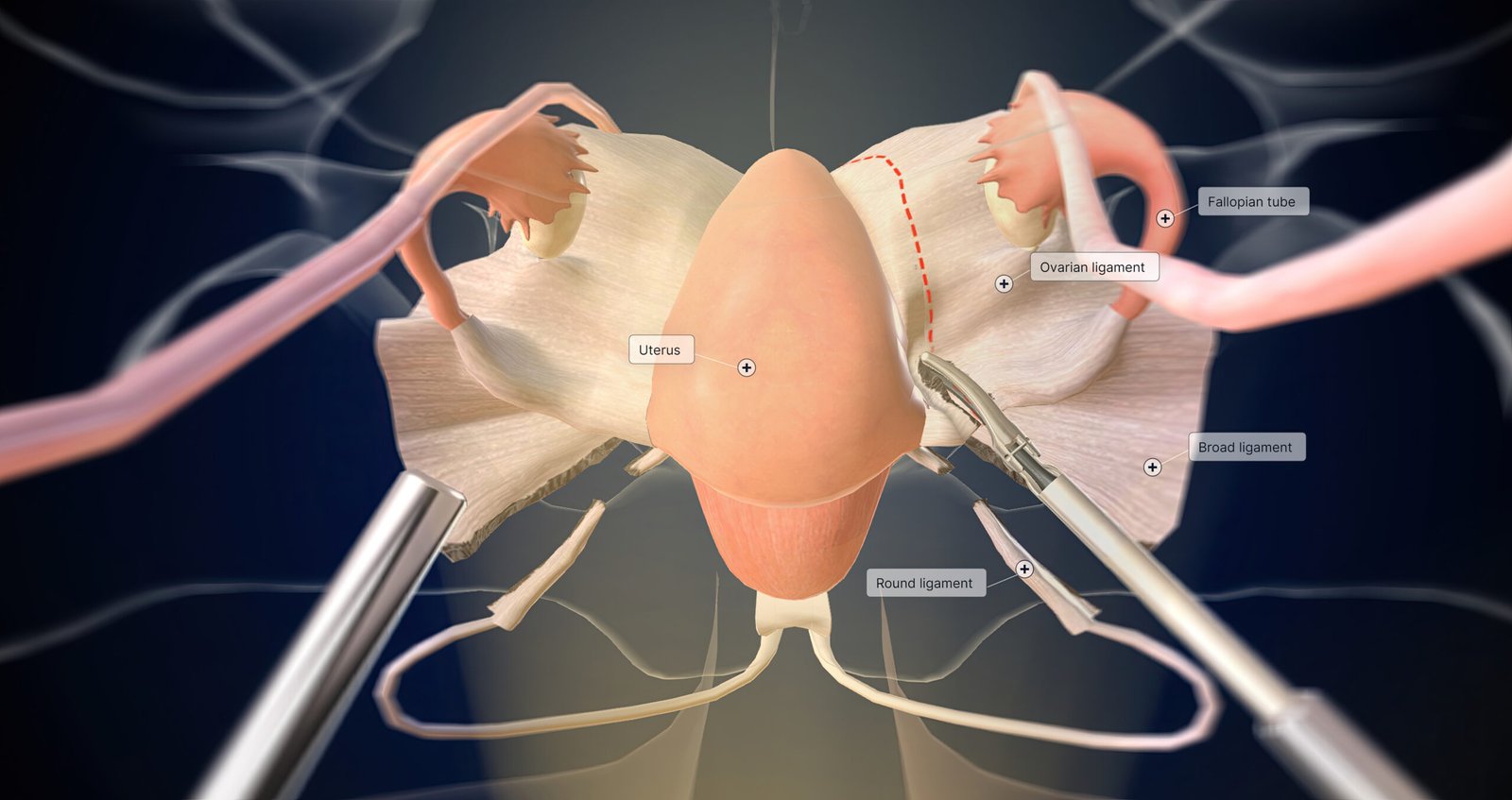
Understanding the different procedure types is the first step in deciding what is right for you. The table below summarises the four core options:
| Procedure | Creates | Best For |
| Vaginoplasty (full-depth) | Vaginal canal + vulva (labia, clitoris) | People who want penetrative sex |
| Vulvoplasty (zero-depth) | External vulva only, no canal | People who do not want penetrative sex |
| Orchiectomy | Testicle removal only | Hormonal simplification; staging |
| Labiaplasty | Refined labial aesthetics | Stage 2 refinement after vaginoplasty |
Vaginoplasty (Full-Depth)
Vaginoplasty is the most comprehensive MTF bottom surgery procedure. It creates both the internal vaginal canal and the external vulvar anatomy, the labia majora, labia minora, clitoris, and clitoral hood, in a single operative session typically lasting four to six hours.
The vaginal canal is constructed between the rectum and the urethra, and the clitoris is formed from the sensitive tissue of the glans penis, preserving erotic sensation. The urethral opening is shortened and repositioned to an anatomically female position. Patients stay in the hospital for five to seven nights and require lifelong vaginal dilation to maintain canal dimensions.
Vulvoplasty (Zero-Depth Vaginoplasty)
Vulvoplasty, sometimes called zero-depth vaginoplasty, creates the external vulvar anatomy without an internal vaginal canal. It is an option for patients who are not interested in penetrative sex, or for whom a full vaginoplasty is contraindicated. The procedure preserves clitoral sensation and typically requires a shorter recovery than full vaginoplasty.
Orchiectomy
An orchiectomy is the surgical removal of the testicles, the body’s primary source of testosterone. It is a shorter, less complex procedure than vaginoplasty, and can be performed as a standalone step (often before a planned vaginoplasty) or simultaneously. Removing the testicles allows patients to significantly reduce or stop testosterone-blocking medication, simplifying the hormonal regimen.
Labiaplasty
Labiaplasty is typically performed as a second-stage refinement after an initial vaginoplasty. It allows the surgeon to add more defined aesthetic details, clitoral hooding, fuller labia minora, and adjustments to the overall configuration of the labia majora. Many patients find that this stage completes the aesthetic results they were aiming for.
Vaginoplasty Techniques Explained
Vaginoplasty is not one-size-fits-all. Surgeons use several distinct techniques, each with its own advantages and considerations. The right choice depends on your anatomy, surgical history, and personal goals.
Penile Inversion (The Standard Approach)
Penile inversion is the most widely used technique and is generally considered the gold standard for MTF vaginoplasty. Penile skin and tissue are inverted to line the vaginal canal, with the scrotal skin sometimes used for additional depth. It is well-suited for uncircumcised patients or those with sufficient penile skin. One important pre-surgical step: permanent hair removal (laser or electrolysis) of the penile shaft is required three to six months before surgery to prevent internal hair growth.
Peritoneal Vaginoplasty
Peritoneal vaginoplasty uses a small flap of peritoneal tissue (the lining of the abdominal cavity) to create the vaginal lining. It offers natural self-lubrication and is an option for patients with limited penile skin, for example, circumcised patients or those who have undergone prior genital surgeries. It is more technically demanding and requires laparoscopic abdominal access.
Sigmoid Colon Vaginoplasty
This technique uses a segment of sigmoid colon to line the vaginal vault. It produces a self-lubricating canal with good depth and is used mainly for revision surgery, such as deepening or correcting a previous vaginoplasty, and less often as a first surgery when tissue or depth needs call for it. Because it involves abdominal surgery, it carries a higher risk profile and is used selectively. For a side-by-side comparison of the two most common techniques, read our guide to sigmoid colon vaginoplasty vs penile inversion.
Candidacy and Eligibility Requirements
Most reputable surgeons, including those at Medidash’s partner hospitals in Bangkok, align their eligibility criteria with the World Professional Association for Transgender Health (WPATH) Standards of Care.
The WPATH Standards of Care exist to ensure that patients undergoing major gender-affirming surgery are well-prepared, physically, psychologically, and practically.
Our guide to the requirements for bottom surgery walks through each criterion in detail.
Key requirements for genital surgery typically include:
- A documented diagnosis of gender dysphoria or gender incongruence
- Capacity to give fully informed consent
- Age of majority (18 in Thailand; patients aged 18–20 require parental consent)
- Any significant mental or physical health conditions are reasonably well managed
- One referral letter from a qualified health professional under WPATH SOC 8 (some Thai hospitals still ask for two)
- Hormone therapy for at least 6 months under WPATH SOC 8 (many Thai hospitals still ask for 12 months)
There are also practical physical requirements to consider. Surgeons typically require:
- BMI under 35–40 (some surgeons set a lower threshold for specific techniques)
- Smoking cessation at least four weeks before surgery
- Completion of laser or electrolysis hair removal on the penile shaft skin (for the penile inversion technique)
- Normal blood tests and general health screening
These requirements exist for patient safety, not to create barriers. Patients who do not yet meet them often work toward eligibility over a period of months with support from their care team.
What Happens During Vaginoplasty
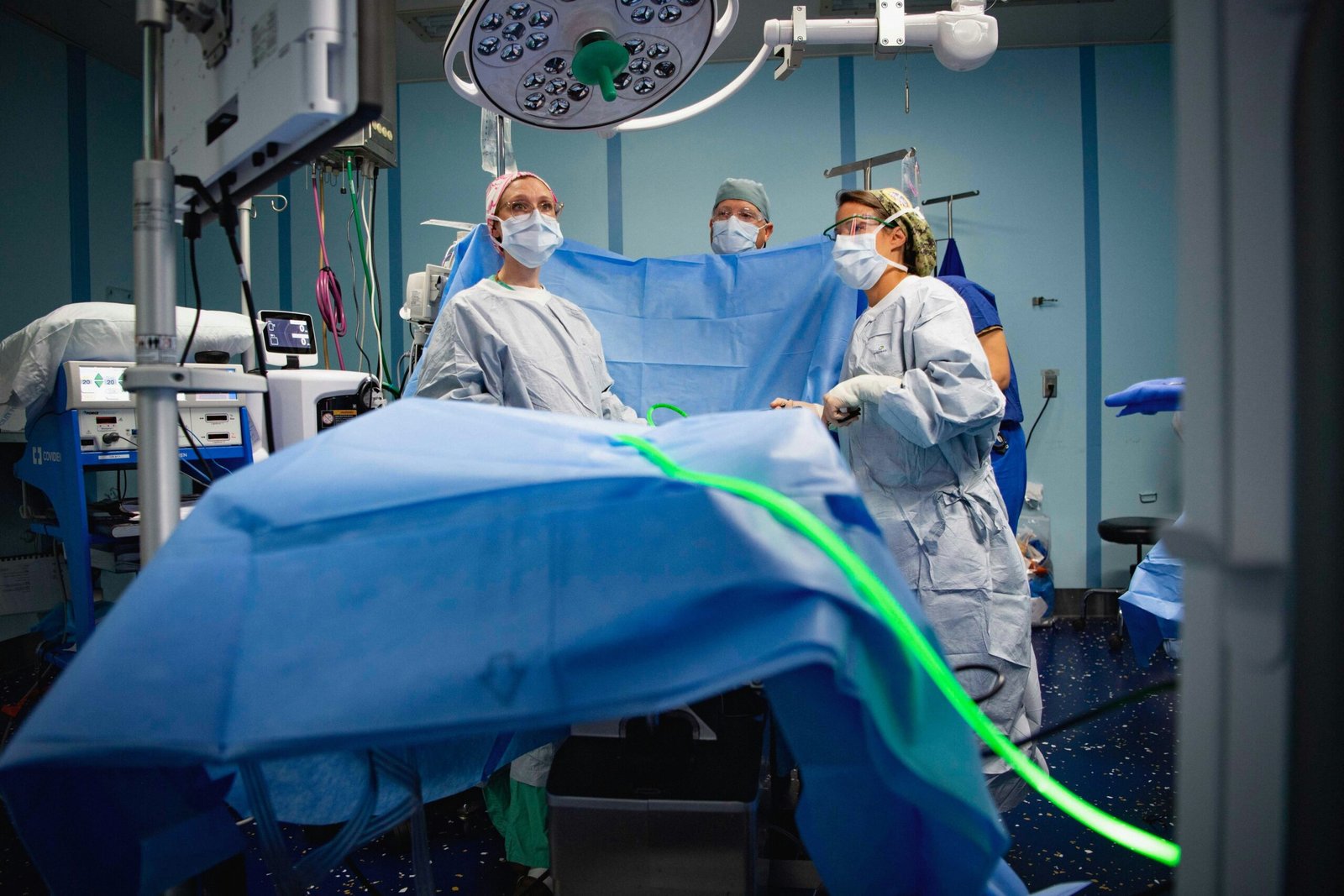
For a full-depth vaginoplasty, the procedure typically unfolds over four to six hours under general anaesthesia, following a sequence of carefully coordinated steps:
- Orchiectomy (removal of the testicles) is performed first if not already completed.
- The penile skin is dissected and preserved for use as the vaginal lining.
- A surgical space is created between the rectum and the urethra to form the vaginal canal.
- The vaginal lining (penile skin, peritoneal flap, or bowel segment, depending on technique) is inserted and secured.
- The clitoris is constructed from the glans penis tissue, preserving the dorsal nerve supply for sensation.
- The urethral opening is shortened and repositioned.
- The labia majora are formed from scrotal skin, and the labia minora and clitoral hood are shaped.
After surgery, a catheter drains urine for approximately one week, and vaginal packing is placed for several days to support initial healing. Most patients stay in the hospital for five to seven nights before transitioning to a recovery house or hotel with nursing support.
Recovery and Dilation After MTF Bottom Surgery
Recovery from MTF bottom surgery is a gradual process that requires patience and commitment, particularly around vaginal dilation, which is essential for maintaining the width and depth of the neovaginal canal long-term. For a stage-by-stage breakdown, see our vaginoplasty recovery guide.
General recovery milestones:
- Days 1–7: Hospital care. Catheter in situ, packing in place, pain managed with medication.
- Weeks 1–3: Discharge to the recovery house. Swelling, bruising, and limited mobility. Dilation begins once the surgical team clears the patient.
- Weeks 4–6: Return to light activities. Significant external swelling subsides.
- Weeks 6–8: Most patients can return to desk work or sedentary employment.
- Months 3–6: Sensation, including erotic sensation, begins to return.
- Month 12+: Full recovery with final aesthetic outcomes visible.
The Dilation Commitment
Vaginal dilation is non-negotiable for anyone who has undergone a vaginoplasty. The schedule typically follows this pattern:
- Months 1 to 3: three sessions a day, about 10 minutes each
- Months 3 to 6: once a day
- Months 6 to 9: two to three times a week
- From month 9: once or twice a week; some ongoing dilation is needed for life, depending on sexual activity and individual factors
This is one of the most important conversations to have with your surgeon and care team before deciding to proceed. Patients who are able to maintain a consistent dilation routine achieve significantly better long-term outcomes.
Risks and Complications for MTF Bottom Surgery

MTF bottom surgery in experienced hands is generally safe, but like all major surgery it carries risks. Being informed is part of being prepared. Potential complications include:
- Vaginal stenosis (narrowing of the canal): the most common long-term complication, largely preventable with consistent dilation.
- Recto-vaginal or uretho-vaginal fistula: abnormal connections between the vagina and adjacent structures; rare but require surgical repair
- Urethral complications: altered urinary stream or urethral stricture; common early post-operatively and usually resolves
- Wound healing problems: more common in smokers and patients with higher BMI
- Granulation tissue in the vaginal canal: a common but manageable healing response
- Deep vein thrombosis (DVT): risk is managed with compression stockings, anticoagulants, and early mobilisation
- Sensory changes: erotic sensation may take months to return; permanent sensation loss is uncommon with experienced surgeons
Surgeon experience is the single most important factor in minimising complication risk. Surgeons who perform high volumes of MTF bottom surgery have lower revision rates and more predictable outcomes than occasional practitioners.
Results: Sensation, Function, and Outlook of MTF Bottom Surgery
The long-term outcomes of MTF bottom surgery, particularly vaginoplasty, are well-established. The majority of patients report significant improvements in gender dysphoria, body image, and overall quality of life following surgery.
In terms of function:
- Most vaginoplasty patients regain erotic sensation and the capacity for orgasm within three to nine months
- Penetrative sexual activity is typically possible from around three months post-operatively, with individual variation
- Urinary function returns to normal for most patients within weeks, though the stream direction often changes
- Because vaginoplasty includes orchiectomy, testosterone-blocking medications can usually be stopped or significantly reduced
The psychological benefits are equally significant. Research consistently shows reductions in gender-related distress and improvements in self-confidence and well-being following gender-affirming surgery. A staged labiaplasty, performed months after the primary operation, allows further aesthetic refinement and gives patients a second opportunity to address any asymmetry.
Why Thailand for MTF Bottom Surgery?
Thailand is widely regarded as the global leader in MTF bottom surgery, and this reputation is built on half a century of specialised practice. Dr. Preecha Tiewtranon performed Thailand’s first gender-affirming surgery in 1975, making the country a pioneer in this field before most Western health systems had even begun to engage with it. Chulalongkorn University launched the first formal Thai gender-affirming surgery training programme in 1983, and the depth of institutional expertise has compounded ever since.
Today, Bangkok is home to several hospitals that operate as dedicated centres of excellence for gender-affirming surgery, with surgeons who each perform hundreds of procedures a year.
Thailand attracts 2.5 million medical tourists annually, and its healthcare system includes 65 Joint Commission International (JCI)-accredited facilities as of December 2025, the same accreditation that benchmarks quality at leading US hospitals. For international trans patients, this infrastructure matters: it means specialist anaesthesiology, post-operative nursing care, and dedicated recovery support in a single, organised pathway.
Here is how MTF bottom surgery cost compares by country in 2026:
| Country | Vaginoplasty cost (USD unless stated) | Source |
|---|---|---|
| Thailand | $10,400 to $15,000, all-inclusive package | Medidash 2026 package pricing |
| USA | $25,000 to $50,000+ | CureMeAbroad, Bottom Surgery 2026 guide; Bookimed (March 2026) |
| UK (private) | $20,000 to $35,000 | CureMeAbroad 2026 guide; Bookimed (July 2026) |
| Australia (private) | About AUD $16,500 average | Bookimed (July 2026) |
Thailand’s all-inclusive packages typically cover surgery, anaesthesia, hospital stay, medications, recovery house accommodation, and airport transfers. Even after flights and a recovery stay, Bangkok packages are typically well below private pricing in the USA and UK. For comparison, Australia’s Monash Health Gender Clinic reported in March 2026 that it was booking first appointments for referrals received in November 2023.
Medidash’s guide to the best hospitals in Thailand for medical tourism provides a detailed comparison of Bangkok’s leading JCI-accredited facilities.
How to Choose a Surgeon for MTF Bottom Surgery
Choosing a surgeon for MTF bottom surgery may be the most consequential decision in your transition journey. Volume, training pedigree, and accreditation all matter. Here is what to look for:
- WPATH membership, surgeons affiliated with the World Professional Association for Transgender Health adhere to established standards of care and ethics
- Board certification in plastic surgery, reconstructive surgery, or urology, check for the Thai Board of Plastic Surgery and relevant international equivalents
- Chulalongkorn University training, the pioneering institution that has trained the majority of Thailand’s most experienced gender-affirming surgeons
- ISAPS or ASPS membership, the International or American Societies of Plastic and Reconstructive Surgery signal international peer recognition
- High case volume, surgeons who perform 100–200+ procedures per year have complication rates and aesthetic outcomes that reflect sustained practice
- JCI-accredited hospital facility, accreditation audits the team, not just the surgeon; post-operative nursing and anaesthesia quality matter as much as the procedure itself
- Clear, itemised pricing, a reputable surgeon provides a written quote separating surgical fees, facility fees, anaesthesia, and post-operative care
Questions worth asking during consultation include the surgeon’s annual case volume for your specific procedure, their revision rate, their dilation protocol, and who provides care if a complication arises after you return home.
For more on navigating care in Thailand, see our complete guide to medical tourism in Thailand and our guide to medical visas in Thailand for international patients.
How Medidash Can Help with MTF Bottom Surgery

At Medidash, we understand that pursuing MTF bottom surgery is a deeply personal decision, one that involves not just a surgical procedure but an entire journey of preparation, travel, care, and recovery. Our role is to make that journey as clear and supported as possible.
We work exclusively with JCI-accredited hospitals and surgeons in Bangkok whose experience and standards we have verified firsthand. We help international patients from the UK, Australia, USA, the Middle East, and across Asia with:
- Matching to the right surgeon and hospital for your procedure type and anatomy
- Coordinating pre-operative documentation requirements, including helping to understand what your surgical team needs
- All-inclusive package planning: surgery, hospital stay, recovery house, transfers, and post-operative follow-up
- Support for patients travelling to Thailand, including guidance on medical visas and local accommodation
- A dedicated point of contact throughout, before, during, and after your procedure
Every patient’s path is different. If you are ready to take the next step, contact our team for a confidential, no-obligation conversation about your options. We are here to help you find the right care, not to rush you toward it.
You can also explore more about our approach on the About Medidash page.