
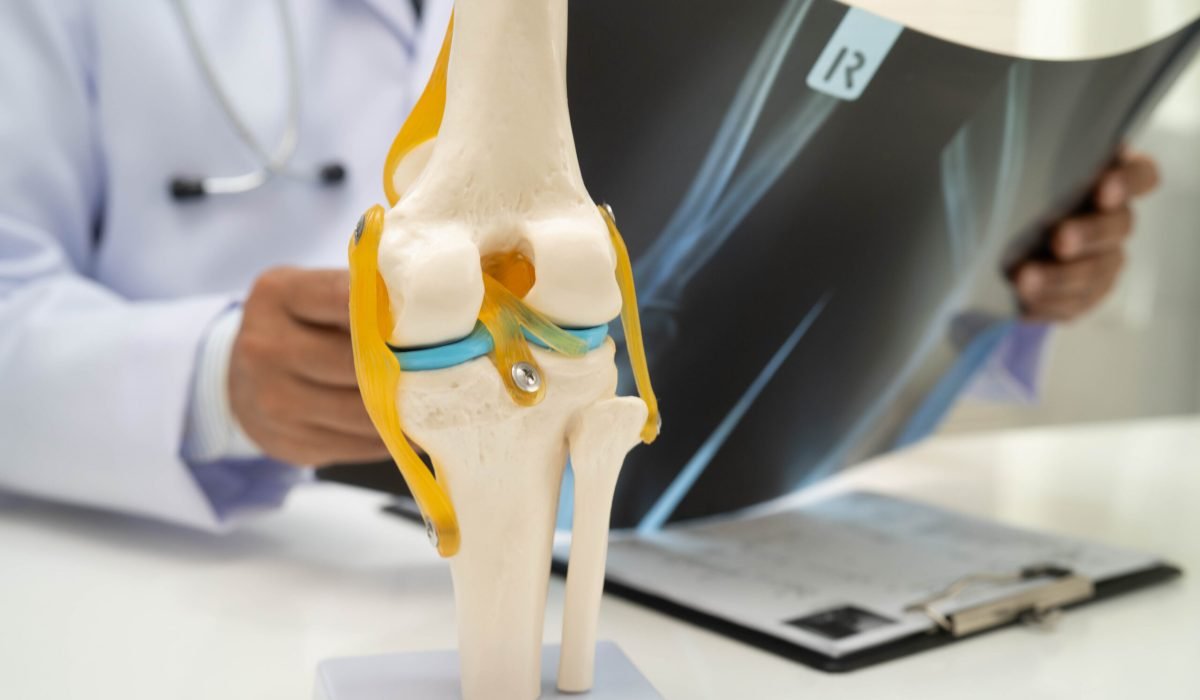
Researching orthopedic surgery abroad can feel overwhelming when your clinic notes are filled with complex jargon. Understanding knee replacement terminology empowers you to make confident decisions about your healthcare. This knee surgery terminology guide provides plain English translations for the medical terms for knee replacement and other common orthopedic knee procedures. We created this resource to help you navigate your treatment options, compare international hospitals fairly, and ask the right questions.
If you are weighing up faster care or more affordable private treatment overseas, learning this vocabulary is a highly practical step. Knowing what to expect during knee surgery starts with understanding your own medical reports. Use this glossary of knee surgery terms to protect your safety and take control of your medical travel journey.
Knee Surgery Terminology Guide: Quick Translation Table for Reports and Consultations
When you first receive your medical records, you will likely see several medical abbreviations. We have compiled the most common abbreviations into a quick translation table. This will help you immediately understand the core issues discussed in your consultation.
|
Term you may see |
What it means (plain English) |
Why it matters for your decision |
|---|---|---|
|
OA (Osteoarthritis) |
Wear-and-tear arthritis causes cartilage loss |
Often drives the decision toward injections, rehab, or a joint replacement. |
|
Joint space narrowing (JSN) |
Less space on X-ray because cartilage is thinner |
Helps estimate arthritis severity. |
|
Osteophytes |
Bone spurs |
Common in OA and can affect movement and pain. |
|
Meniscus tear |
Tear in the knee shock absorber |
Tear type and location influence whether repair is possible. |
|
ACL / PCL / MCL / LCL |
Key stabilizing ligaments |
Determines instability diagnosis and whether reconstruction is needed. |
|
Arthroscopy |
Keyhole scope surgery |
Often used for mechanical problems. |
|
TKA |
Total Knee Arthroplasty (full knee replacement) |
Major procedure with strong outcomes for severe arthritis. |
|
UKA |
Unicompartmental Knee Arthroplasty (partial) |
Faster recovery in selected patients. |
|
Cemented vs cementless |
How the implant attaches to bone |
Affects technique and may affect early fixation strategy. |
|
DVT/PE prophylaxis |
Blood clot prevention plan |
Crucial if you are flying home after surgery abroad. |
|
WBAT / NWB |
Weight-bearing as tolerated / non-weight-bearing |
Determines how soon you can walk and travel safely. |
Knee Surgery Terminology Guide: The Anatomy of Your Knee (Basic Terms You’ll Hear Everywhere)
Understanding basic knee anatomy terminology helps you follow what a surgeon is actually treating. Medical professionals use specific Latin-based terms to describe exactly where an issue is located. Learning these basic terms helps you visualize the problem and understand your proposed treatment plan.
Bones and Joint Surfaces
Your knee joint consists of several key bone structures that surgeons frequently reference. The distal femur is the lower end of your thigh bone. The proximal tibia refers to the top of the shin bone, which includes the tibial plateau. The patella is the medical term for your kneecap. The tibiofemoral joint is the main knee joint between the femur and the tibia. Finally, the patellofemoral joint is where the kneecap meets the femur, which is a common source of pain at the front of the knee.
Soft Tissues That Show Up on MRI Reports
Your MRI reports will frequently mention soft tissue structures. Articular cartilage is the smooth covering on bone ends that allows low-friction movement. The medial and lateral meniscus are C-shaped shock absorbers between the femur and tibia. Modern treatment often focuses on meniscus preservation, which means repairing the tissue when possible rather than removing it. You will also see references to key ligaments like the anterior cruciate ligament (ACL) and posterior cruciate ligament (PCL). These control forward and backward movement, while the MCL and LCL stabilize the sides of the joint.
Alignment Terminology (Often Overlooked, but Important)
Doctors evaluate your overall leg alignment to determine how your joint bears weight. The term varus indicates a bow-legged alignment, which loads the inner or medial compartment more heavily. The term valgus means a knock-kneed alignment, loading the outer or lateral compartment. The mechanical axis is the straight line alignment surgeons reference when planning an osteotomy or knee replacement. Malalignment can heavily influence whether you are offered joint-preserving options versus a full knee arthroplasty.

Knee Surgery Terminology Guide: Decoding Diagnostics and Imaging Reports (X-ray vs MRI vs CT)
Different imaging tools look for completely different problems within your joint. If you are comparing providers internationally, this is where terminology differences can cause major confusion. Knowing what each scan achieves helps you provide the right information to your prospective clinics.
What Each Scan Is Looking For
An X-ray or radiograph is best for evaluating arthritis changes like joint space, spurs, and deformity. Standing X-rays are particularly useful because they show how the joint behaves under your body weight. Magnetic Resonance Imaging (MRI) is required to accurately see soft tissues like cartilage defects, bone bruising, and ligament tears. Computed Tomography (CT) scans provide detailed bony anatomy and are sometimes used for preoperative planning. This includes some robotic knee replacement workflows.
Osteoarthritis Language You’ll Commonly See
Osteoarthritis language can be highly technical on diagnostic reports. Joint space narrowing (JSN) suggests cartilage loss between the bones. Subchondral sclerosis or cysts indicate bone changes beneath the worn cartilage. Doctors often use the Kellgren-Lawrence grade as a common X-ray grading system for osteoarthritis severity. It is important to remember that imaging severity and actual physical pain do not always match perfectly.
Meniscus Tear Terminology (This Affects Treatment Options)
MRI reports often specify tear patterns that dictate your surgical options. A radial tear goes across the meniscus and can affect how it transmits physical load. A bucket-handle tear is a displaced tear that can cause the knee to lock physically. A root tear happens at the meniscus attachment point and can behave like the meniscus is entirely missing. You may also see references to red-red or white-white zones. These describe the blood supply regions of the meniscus, where more blood supply generally equals better healing potential.
Knee Surgery Terminology Guide: Minimally Invasive Procedures (Arthroscopy and Related Terms)
Arthroscopy is commonly known as keyhole surgery. Surgeons use a tiny camera and specialized instruments to treat problems without making large incisions. The specific words used around this procedure will tell you exactly what the surgeon intends to do.
Arthroscopy Terms You Should Recognise
A diagnostic arthroscopy means the surgeon simply looks inside the joint to confirm findings. An arthroscopic partial meniscectomy (APM) involves trimming or removing torn meniscus tissue. A meniscus repair uses sutures to stitch the meniscus back together to preserve it. Chondroplasty refers to smoothing out unstable or frayed cartilage. Loose body removal is the process of removing floating bone or cartilage fragments that can cause the knee to catch or lock.
Step-by-Step: How to Interpret an Arthroscopy Plan
You can interpret an arthroscopy plan by asking a few logical questions about the proposed surgery. First, determine what specific structure is the target, such as the meniscus, cartilage, or a ligament. Next, clarify if the goal is removal or preservation. You should also ask if the problem is degenerative or traumatic. Degenerative tears often benefit from rehab-first approaches, while certain mechanical symptoms may require surgery. Finally, establish the realistic outcome regarding pain relief versus curing arthritis.
Knee Surgery Terminology Guide: Arthroplasty (Knee Replacement) Vocabulary You Must Understand
If you are evaluating medical tourism options, understanding arthroplasty vocabulary is vital for comparing quotes accurately. We want you to feel completely informed about the hardware and techniques recommended for your body. For a destination-focused overview, you can explore our resources on knee replacement in Thailand.
TKA vs UKA (Total vs Partial)
TKA stands for Total Knee Arthroplasty, which replaces the worn joint surfaces of the femur and tibia. This is a major procedure with strong outcomes for severe arthritis that restores function and relieves pain. Patients weighing up their options often research knee replacement surgery in Thailand at this stage, since the distinction between total and partial procedures shapes both the recommended implant and the expected recovery timeline. UKA stands for Unicompartmental Knee Arthroplasty, which replaces only one compartment of the knee. A partial replacement can offer a more natural-feeling knee and a faster recovery. However, a UKA is not suitable for all arthritis patterns.
Implant and Design Terminology
Surgeons use specific terms to describe the mechanics of the new joint implants. Cruciate-retaining (CR) implants keep your existing PCL ligament intact. Posterior-stabilised (PS) implants use specific geometry to substitute for your natural ligament function. You might also hear about fixed-bearing versus mobile-bearing designs. This describes how the plastic insert behaves and is more commonly discussed during partial knee replacements.
Fixation and Alignment Terms
There are two primary ways surgeons secure the new implant to your bone. Cemented fixation uses a specialized bone cement to lock the implant firmly in place. Cementless fixation, or press-fit, relies on your natural bone growing into the porous surface of the implant over time. You will also hear about mechanical alignment versus kinematic alignment. These are different surgical philosophies for positioning components and restoring the overall straightness of your leg.
Robotic-Assisted Knee Replacement Terminology
Many high-end medical tourism hospitals now offer advanced robotic assistance. You might see the term robotic-assisted arthroplasty or specific brand names like MAKO. These systems are often paired with CT-based planning to support accurate surgical planning and implant positioning. If you are comparison shopping, ask what the robot specifically changes about the procedure. You should inquire about planning accuracy, bone cuts, and how the hospital tracks its long-term function scores.
Knee Surgery Terminology Guide: Recovery, Rehab, and Perioperative Terms (What You’ll See in Discharge Notes)
Your discharge paperwork will include terminology dictating your safe recovery timeline. This vocabulary can directly affect your travel plans. It is especially critical if you are flying home internationally after your procedure.
Anaesthesia and Pain-Control Language
General anaesthesia means you are completely asleep during the operation. Spinal or neuraxial anaesthesia means you are numb from the waist down, often paired with light sedation. A peripheral nerve block provides targeted numbness for pain control in specific areas of the leg. Multimodal analgesia involves using several different types of medication to reduce pain. This modern approach effectively limits the need for heavy opioid medications.
Blood Clot Prevention (Must-Know Terminology for Medical Travel)
Blood clot prevention is an important safety topic for medical travelers, especially those taking long flights after surgery. DVT stands for deep vein thrombosis, which is a clot in a deep leg vein. PE stands for pulmonary embolism, a serious condition where a clot travels to the lungs. DVT/PE prophylaxis is your specific clot-prevention plan. This typically includes a combination of medication, early movement, and compression stockings.
Mobility and Weight-Bearing Shorthand
Physical therapists use specific shorthand to describe your mobility restrictions. WBAT means Weight-Bearing As Tolerated, allowing you to put as much weight on the leg as your pain permits. NWB means Non-Weight-Bearing, meaning no weight should go on the operated leg at all. ROM stands for Range of Motion. This measures how far you can successfully bend and straighten your recovering joint.
ERAS Protocols
ERAS stands for Enhanced Recovery After Surgery. This is a structured medical pathway designed to reduce complications, improve pain control, and mobilize patients much earlier. Many top international hospitals utilize ERAS protocols to support shorter hospital stays. For international patients, these pathways are highly beneficial. You will still need a safe and clear plan for follow-up care and physiotherapy once you return home.
Knee Surgery Terminology Guide: Complications Vocabulary (So You Can Assess Safety Without Panic)
Safety researchers must understand complication terms to make informed and rational decisions. These are the exact words that appear in hospital consent forms and outcome discussions. We define these terms transparently to help you prepare safely.
Infection Terms
A superficial infection is generally minor and involves only the skin or the surgical wound. PJI stands for Periprosthetic Joint Infection, which is a deep infection involving the metal implant after arthroplasty. Serious infections after total knee replacements are statistically rare. However, understanding the terminology helps you know what symptoms to monitor during your recovery phase.
Clotting Terms
As mentioned earlier, DVT and PE refer to deep vein thrombosis and pulmonary embolism. This vocabulary is highly relevant if you plan to fly soon after surgery. You should always ask your surgeon exactly what prophylaxis medication is recommended. You must also know exactly how long you need to take these preventative medications after your flight home.
Arthroplasty-Specific Terms You May Hear
There are a few risks specific to the hardware used in joint replacements. Aseptic loosening occurs when the implant loosens from the bone without any infection present. Wear or osteolysis means that particle wear can trigger bone loss around an implant over a long period. Arthrofibrosis is a condition where excessive scarring causes severe stiffness in the joint. A revision TKA is a repeat surgery required to replace or fix the original components.
Step-by-Step: How to Use Complication Terminology When Comparing Hospitals Abroad
You can use complication terminology to evaluate the quality of an overseas hospital. Ask the clinic for their specific tracked complication rates for infections, DVT, and readmissions. Ask them what definitions they use, such as what strictly counts as a deep infection. Confirm the detailed aftercare plan, including wound checks and physical therapy schedules. Finally, verify exactly what protocol is in place if a complication occurs after you return to your home country.
Take Control of Your Treatment Journey with Knee Surgery Terminology (Questions Checklist)
Knowledge protects both your health and your finances when traveling for medical care. Use this quick checklist to turn knee surgery terminology into practical questions. You can copy and paste these directly to your surgeon or Medidash care coordinator.
Questions to Ask
- Is my pain mainly from OA, a meniscus tear, ligament instability, or a combination?
- What does my Kellgren-Lawrence grade mean for my treatment options?
- If you are recommending arthroscopy, what is the goal and why?
- Am I a candidate for UKA, or do I need TKA?
- Would you use cemented or cementless fixation in my case?
- Is the proposed implant CR or PS, and what does that mean for stability?
- What is my expected weight-bearing status, and for how long?
- What is your specific DVT/PE prophylaxis plan for my flight home?
- What are your hospital rates for PJI, DVT/PE, and readmission?
Helpful External Reading (Reputable Starting Points)
If you want to continue your research, we recommend sticking to highly reputable medical sources. The American Academy of Orthopaedic Surgeons (AAOS) provides excellent patient guides on total knee replacements. The UK National Health Service (NHS) also offers a comprehensive and easy-to-read overview of knee replacement procedures and expected recovery timelines.

Getting the Right Treatment, Whatever You Call It
At Medidash Global, we work with Bumrungrad International Hospital in Bangkok, a JCI-accredited institution that performs high volumes of total and partial knee and hip replacement, including MAKO robotic-assisted surgery, every year. We are not particularly concerned whether you call it joint replacement, arthroplasty, resurfacing, or reconstruction. We are concerned with whether you are getting the right treatment, from the right surgeon, in the right facility, at a cost that does not require you to remortgage your house. If you have been bounced between terms, waiting lists, and inconclusive consultations, we would like to
have a straightforward conversation.
Frequently Asked Questions About Knee Surgery Terminology
What does TKA mean in knee surgery?
TKA stands for Total Knee Arthroplasty, also known as total knee replacement. It is usually recommended when arthritis affects multiple parts of the knee joint.
What does UKA mean in knee replacement?
UKA stands for Unicompartmental Knee Arthroplasty, also known as partial knee replacement. It replaces only one damaged compartment of the knee.
What does WBAT mean after knee surgery?
WBAT means Weight-Bearing As Tolerated. It means you can put weight on the operated leg as your comfort allows, based on your surgeon’s instructions.
What does DVT prophylaxis mean?
DVT prophylaxis means blood clot prevention. It may include medication, compression stockings, early walking, and movement exercises.
Does arthroscopy cure knee arthritis?
No. Arthroscopy does not reverse osteoarthritis. It may help select mechanical problems, but arthritis treatment depends on the patient’s symptoms, imaging, and overall condition.