
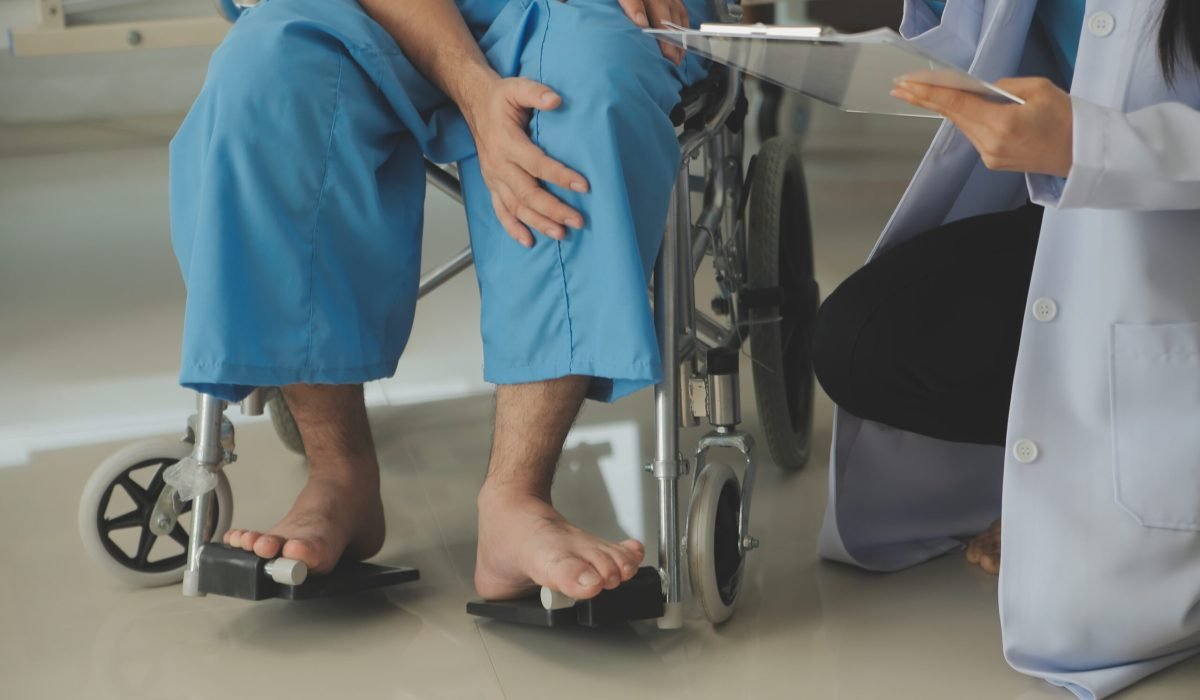
Traveling for surgery is an excellent way to access premium healthcare without long waitlists. However, getting home safely is often a major concern for patients. If you are wondering how long after knee replacement you can fly, the answer depends on your flight length, blood clot risk, wound healing, swelling, mobility, and surgeon clearance.
Generally, short flights might be possible after about two weeks if your recovery is going smoothly. On the other hand, long-haul flights usually require waiting four to six weeks or even longer. Your body needs time to pass the initial healing phase before handling the physical stress of an airplane cabin.
For those planning knee replacement surgery in Thailand as part of their medical tourism journey, coordinating your recovery and travel dates is a big part of the process. Medidash Global helps patients access world-class clinics and seamlessly plan their treatment, recovery window, and safe journey home.
Quick Answer: How Long After Knee Replacement Can You Fly?
When planning your trip, remember that most recommendations provide a timeframe rather than a strict rule. Your orthopaedic surgeon’s clearance is the most important factor.
|
Flight Length |
Typical Waiting Time |
Notes |
|---|---|---|
|
Short flight under 4 hours |
Around 2–3 weeks |
Only if recovery is uncomplicated and the surgeon clears you |
|
Long-haul flight 4–6+ hours |
Around 4–6 weeks |
Higher risk due to longer sitting time and swelling |
|
Very long flights or high-risk patients |
6–12 weeks or up to 3 months |
More conservative timing may be needed |
If you are planning a knee replacement in Thailand or another destination, do not assume you can jump on a long-haul flight immediately after hospital discharge. Discuss your exact flight details with your doctor before booking.
Why Flying After Knee Replacement Needs Caution
Total knee replacement is a major lower-limb surgery. During the early recovery period, your body is healing tissue, and your mobility is naturally reduced. This combination increases the risk of developing blood clots.
Medical professionals refer to these clots as Deep Vein Thrombosis (DVT) when they form in the leg. If a clot breaks loose and travels to the lungs, it becomes a Pulmonary Embolism (PE), which is a serious medical emergency.
Air travel after knee replacement can worsen this risk for several reasons:
- Prolonged sitting reduces healthy circulation in your legs.
- Limited space makes it hard to move around and stretch.
- Airplane cabins have low humidity, leading to dehydration, which thickens the blood.
- Pressure changes make it difficult to keep swelling under control.
Leading medical organizations, including the American Academy of Orthopaedic Surgeons (AAOS) and the NHS, strongly emphasize the importance of getting medical clearance before air travel.
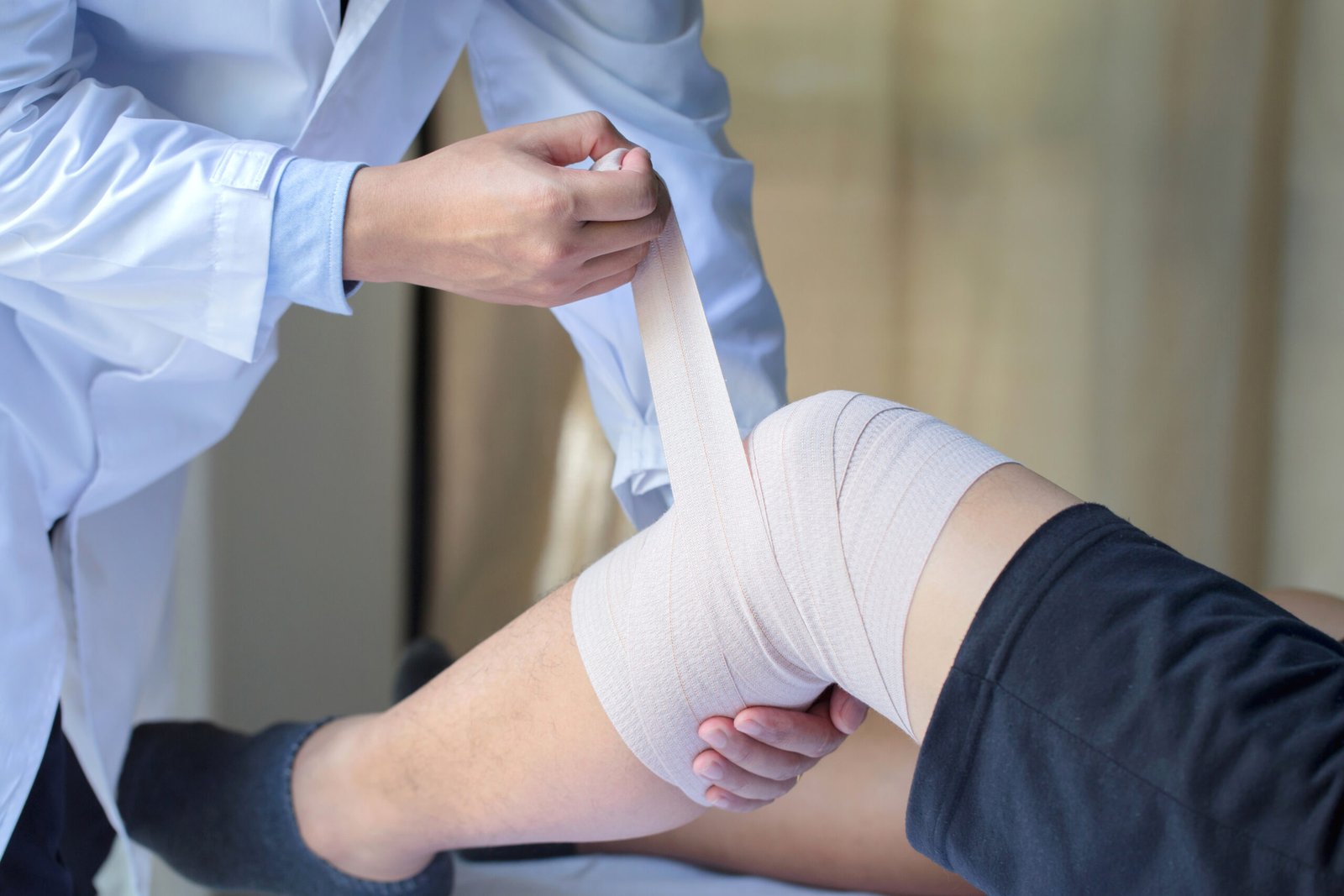
Recovery Milestones Before You Fly
Medical clearance is only part of the story. You also need to be practically and physically ready to navigate a busy airport.
Weeks 0 to 2: Early Healing
During the first two weeks, you will likely experience significant swelling and rely heavily on walking aids. Your wound is still closing, and you will need frequent rest. Airports pose serious trip hazards and require too much walking for this stage of recovery.
Weeks 2 to 6: Improving Mobility
As you move into this phase, your walking becomes more stable. Your pain should be manageable without heavy sedation, and sitting becomes more comfortable. This is usually the window when patients feel ready for travel after knee replacement surgery.
Quick Readiness Checklist
Before heading to the airport, make sure you can confidently check these boxes:
- My surgical wound is dry and healing well.
- My pain is controlled without heavy, sedating medication.
- I can walk short distances safely with my cane or walker.
- I can sit with my knee bent for the entire flight duration.
- My leg swelling is manageable.
- I understand my blood thinner and clot-prevention plan.
Who May Need to Wait Longer Before Flying?
Some patients require a much more cautious approach. Your surgeon will look at your overall health to determine your fitness to fly. If you fall into a high-risk category, you might need an extended recovery stay before traveling.
Higher-risk patients include those with:
- A previous history of DVT or PE.
- Known blood-clotting disorders.
- Severe obesity.
- Active cancer or recent chemotherapy.
- Serious heart or lung disease.
- Poor overall mobility.
- A complicated surgery or joint revision.
- Infection or delayed wound healing.
If any of these apply to you, your doctor might adjust your travel timeline. They may prescribe a different blood thinner plan, recommend specific compression stockings, or suggest extra support for the journey.
How to Reduce Blood Clot Risk During the Flight
Once you have clearance to fly, you must take active steps to protect your health in the air. Sitting passively is simply not an option.
Follow these practical steps to reduce your risks:
- Follow your prescribed blood thinners exactly as directed by your surgeon.
- Carry all essential medication in your hand luggage.
- Walk the airplane aisle every one to two hours, provided the seatbelt sign is off.
- Do ankle pumps and calf exercises every 20 to 30 minutes while seated.
- Drink plenty of water regularly to stay hydrated.
- Avoid excess alcohol and unnecessary sedatives that keep you asleep and immobile.
- Book an aisle seat for easy access to stand up and move.
- Consider paying for extra legroom so you can stretch your knee comfortably.
- Use compression stockings only if your doctor has specifically recommended them.
Airport and Travel Planning Tips After Knee Replacement
Navigating the airport often takes more energy than the flight itself. Preparation helps you conserve your strength.
First, ask your doctor for a fitness-to-fly letter. Check your travel insurance policy to ensure you are covered for recent surgery. When booking flights, choose routes with the fewest layovers possible.
At the airport, pre-book wheelchair assistance. This service saves your energy and keeps you safe in crowded terminals. During security screening, tell the staff about your knee implant, as it will likely set off the metal detectors.
Expect some swelling after you land. Head straight to your accommodation, elevate your leg, and apply ice if instructed by your medical team.
Red Flags: When You Should Not Fly
You must monitor your body closely in the days leading up to your flight. Certain symptoms indicate a medical emergency, meaning you should not board the plane and must seek urgent care.
Watch out for these warning signs:
- New or rapidly worsening swelling in one calf.
- Calf pain, warmth, redness, or tenderness.
- Sudden shortness of breath.
- Unexplained chest pain.
- A rapid heart rate or feeling faint.
- A sudden fever.
- Increasing redness or drainage around your surgical wound.
- A sudden inability to bear weight on your leg.
Final Checklist Before Booking Your Flight
Before you confirm your tickets, have a detailed conversation with your orthopaedic team. Take these questions to your final appointment:
- What is the safest wait time for my specific flight duration?
- Am I considered high-risk for blood clots?
- What blood thinner plan should I follow on travel day?
- Should I wear compression stockings?
- Do I need a formal fitness-to-fly letter for the airline?
- Should I arrange airport wheelchair assistance?
- Is my wound healing well enough to handle air travel?
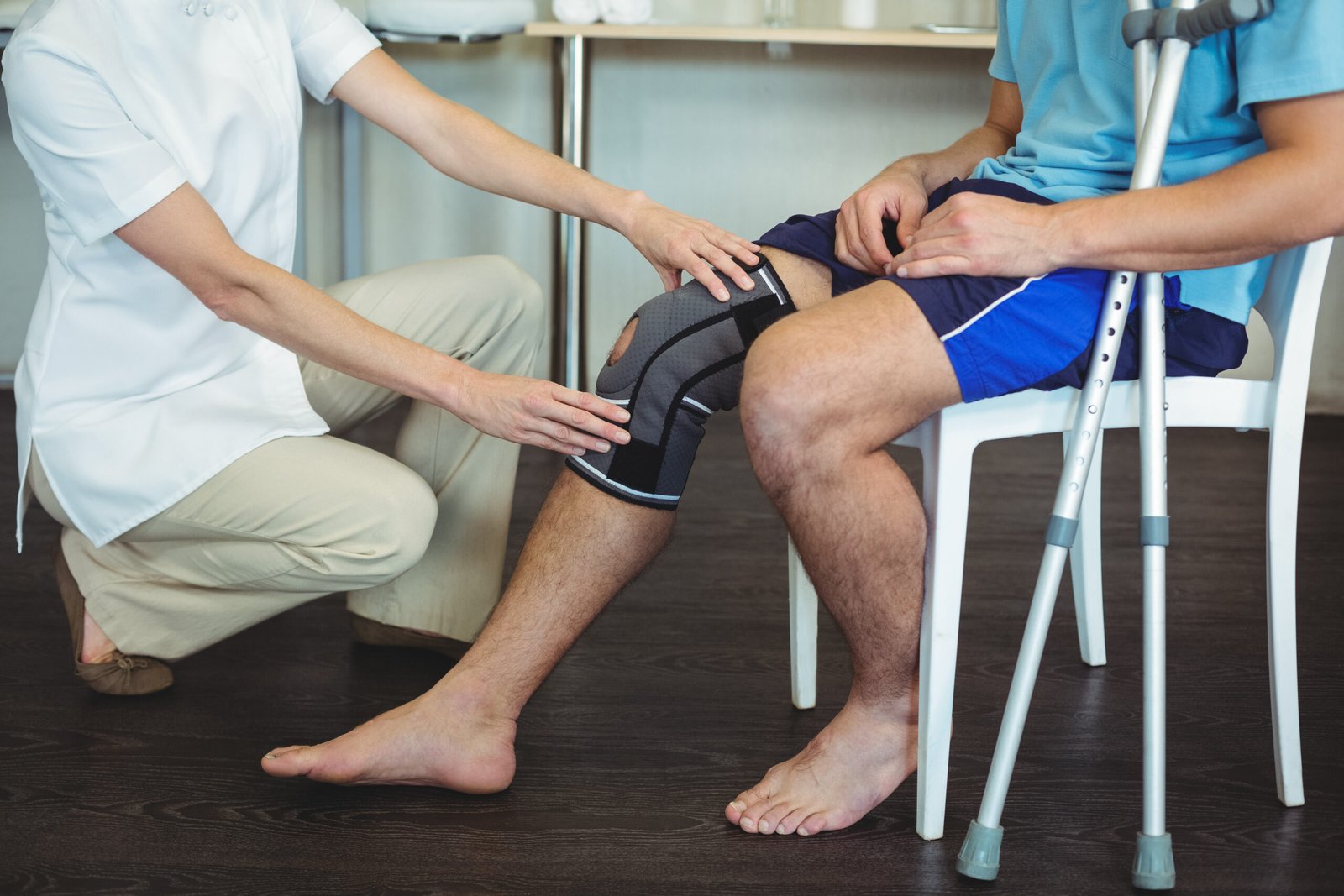
Plan Your Medical Journey with Confidence
Planning knee replacement abroad? At Medidash Global, we do not discharge our patients into a taxi and wish them well. We
coordinate the return journey as carefully as the arrival. Before you fly, you will have had your post-operative review. Your surgeon will have confirmed you are fit to travel. You will have a supply of any necessary medication for the journey. And you will have our number.
FAQs About Flying After Knee Replacement
1. Can I fly 2 weeks after knee replacement?
You may be able to take a short domestic flight (under four hours) two weeks after surgery if your recovery is uncomplicated and your surgeon provides clearance.
2. Is it safe to fly long-haul after a knee replacement?
It can be safe, but you generally need to wait four to six weeks. Long flights increase the risk of blood clots, so strict medical clearance and an active in-flight movement plan are required.
3. Can flying increase blood clot risk after knee surgery?
Yes. The combination of prolonged sitting, cabin pressure, and dehydration during a flight can slow down blood circulation, elevating the risk of Deep Vein Thrombosis (DVT).
4. Do I need compression socks when flying after a knee replacement?
You should only wear compression socks if your surgeon specifically recommends them. They help some patients, but they are not suitable for everyone.
5. Will my knee implant set off airport security?
Yes, artificial joints frequently trigger airport metal detectors. Simply inform the security officer about your implant before walking through the scanner.